
Taoiseach: Ireland's Head of Government and Role in the Oireachtas
Overview of the Taoiseach, Ireland’s head of government: how the Dáil nominates and the President appoints the officeholder, key powers and duties, coalition dynamics, role within the Oireachtas and relation to the Tánaiste.
Taoiseach (pronounced in English approximately /ˈtiːʃəx/; Irish: An Taoiseach, IPA [ən t̪ˠiːʃʲəx]) is the title for the head of government of Ireland. 
Image gallery
10 Images


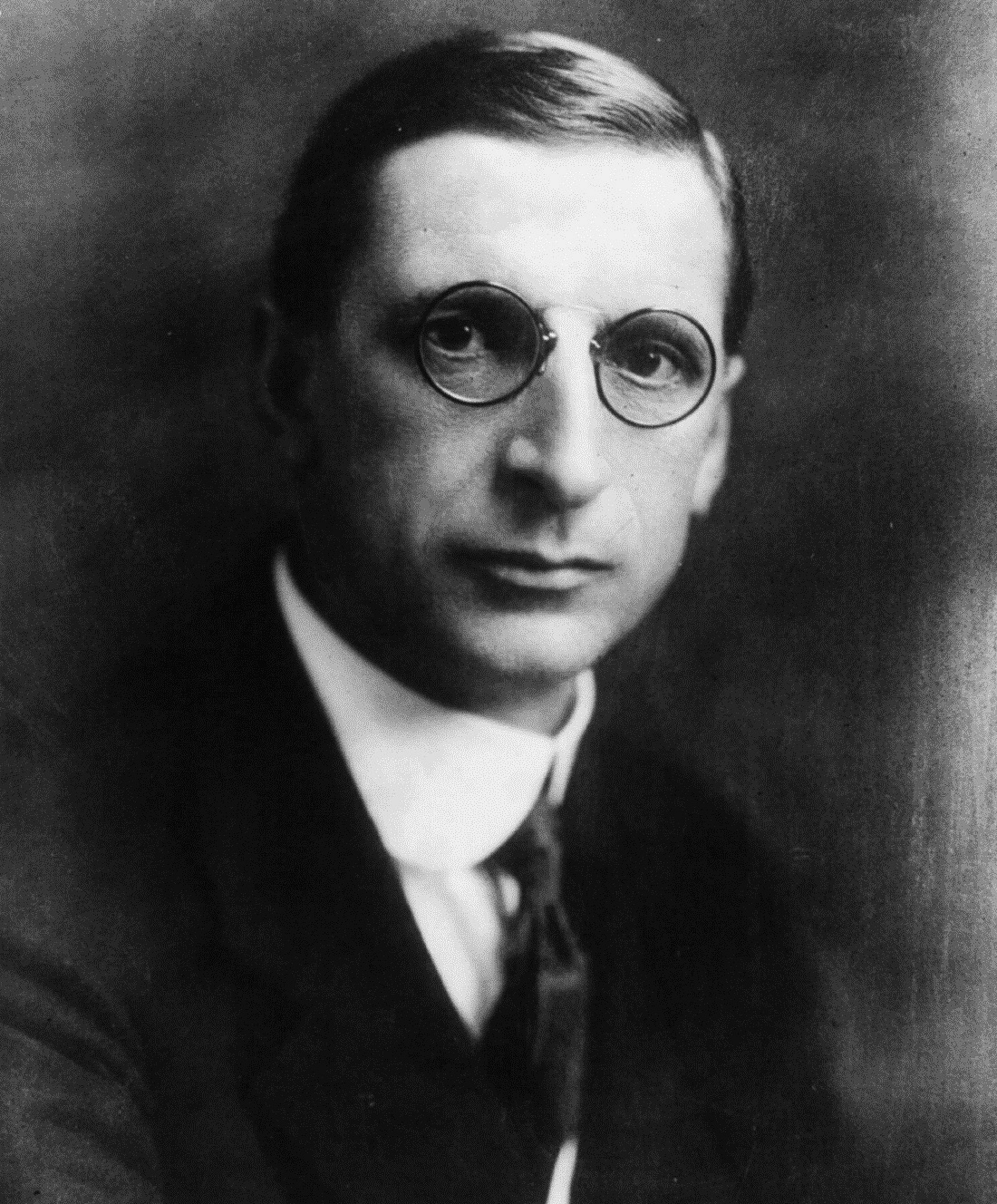


Appointment and term
The Taoiseach is nominated by Dáil Éireann (the lower house of the Oireachtas, Ireland's parliament) and formally appointed by the President of Ireland. There is no fixed term for the office: a Taoiseach remains in post while they retain the confidence of the Dáil and until a successor is appointed after a general election or following resignation. The Dáil can remove the Taoiseach by passing a motion of no confidence.
Functions and responsibilities
- Chairing and directing the government (Cabinet) and coordinating policy across departments.
- Advising the President on appointments, including ministers and other high officials.
- Leading government business in the Dáil and representing the executive branch in domestic and international affairs.
- Typically selecting ministers to form the government and overseeing the administration of government policy.
Political context
The Taoiseach is usually the leader of the largest party or coalition in the Dáil and acts as the principal political leader of the government. Because most Irish governments are coalitions, the Taoiseach often negotiates between parties to maintain parliamentary support. The deputy head of government holds the title Tánaiste.
Origin of the title
The word "Taoiseach" comes from the Irish language and historically means a leader or chieftain. Its use as the official designation for the head of government was established by the Constitution of Ireland when the modern state was founded.
Questions and answers
Q: What is a Taoiseach?
A: A Taoiseach is the head of the government in Ireland, also referred to as An Taoiseach.
Q: How is a Taoiseach pronounced?
A: A Taoiseach is pronounced as /ˈtiːʃəx/ (listen) or [ən t̪ˠiːʃʲəx] in Irish.
Q: What is the role of a Taoiseach?
A: The role of a Taoiseach is to lead the government of Ireland.
Q: What is the difference between a Taoiseach and a prime minister?
A: In Ireland, the term prime minister is not used by the Irish media or government, so Taoiseach is the official title for the head of the government.
Q: Who can be appointed as a Taoiseach?
A: A Taoiseach is appointed by the President of Ireland who receives the nomination of the lower house of the Irish Parliament, Dáil Éireann.
Q: How long does a Taoiseach serve?
A: The term of a Taoiseach's service is not limited, but they can be removed from the position if a vote of no confidence is passed by Dáil Éireann.
Q: What are the key responsibilities of a Taoiseach?
A: The key responsibilities of a Taoiseach include leading the government, directing policy and decision-making, representing Ireland internationally, and appointing Cabinet members.
Related articles
Author
AlegsaOnline.com Taoiseach: Ireland's Head of Government and Role in the Oireachtas Leandro Alegsa
URL: https://en.alegsaonline.com/art/96329
Sources
- oireachtas.ie : "Salaries, Houses of the Oireachtas"
- oxforddictionaries.com : "Taoiseach: definition of Taoiseach in Oxford dictionary (British & World English). Meaning, pronunciation and origin of the word"
- taoiseach.gov.ie : "BUNREACHT NA hÉIREANN"
- rte.ie : "Kenny's farewell: 'This has never been about me'"
- irishtimes.com : "Taoiseach-in-waiting meets man waiting to be taoiseach"