
Le Havre — port city of Normandy and modernist heritage
Le Havre is a major French port on the Seine estuary in Normandy, rebuilt after WWII into a distinctive concrete cityscape by Auguste Perret and recognized as a UNESCO World Heritage Site.
Le Havre is a coastal city in the Normandy region of northern France. It stands on the right bank of the estuary of the Seine, where the river flows into the English Channel. Founded in 1517 by King Francis I as a fortified harbour, the settlement developed into one of France’s principal maritime gateways. The harbour and its associated docks have shaped the city’s economy and daily life for centuries; the port facilities and shipping activity are often described in sources that treat Le Havre as a major port.
Image gallery
10 Images




History and reconstruction
The town grew from its 16th-century origins through commerce, naval outfitting and transatlantic trade. During World War II large sections of the city were heavily damaged by bombing and urban combat. In the postwar period the architect Auguste Perret oversaw an ambitious reconstruction program that replaced the ruined historic centre with a planned, largely reinforced-concrete urban fabric. The rebuilt core, notable for its rigorous street grid, repeated façade rhythms and civic monuments, attracted international attention and was inscribed as a World Heritage Site by UNESCO for its exceptional example of postwar urban planning and modernist architecture.
Urban character and architecture
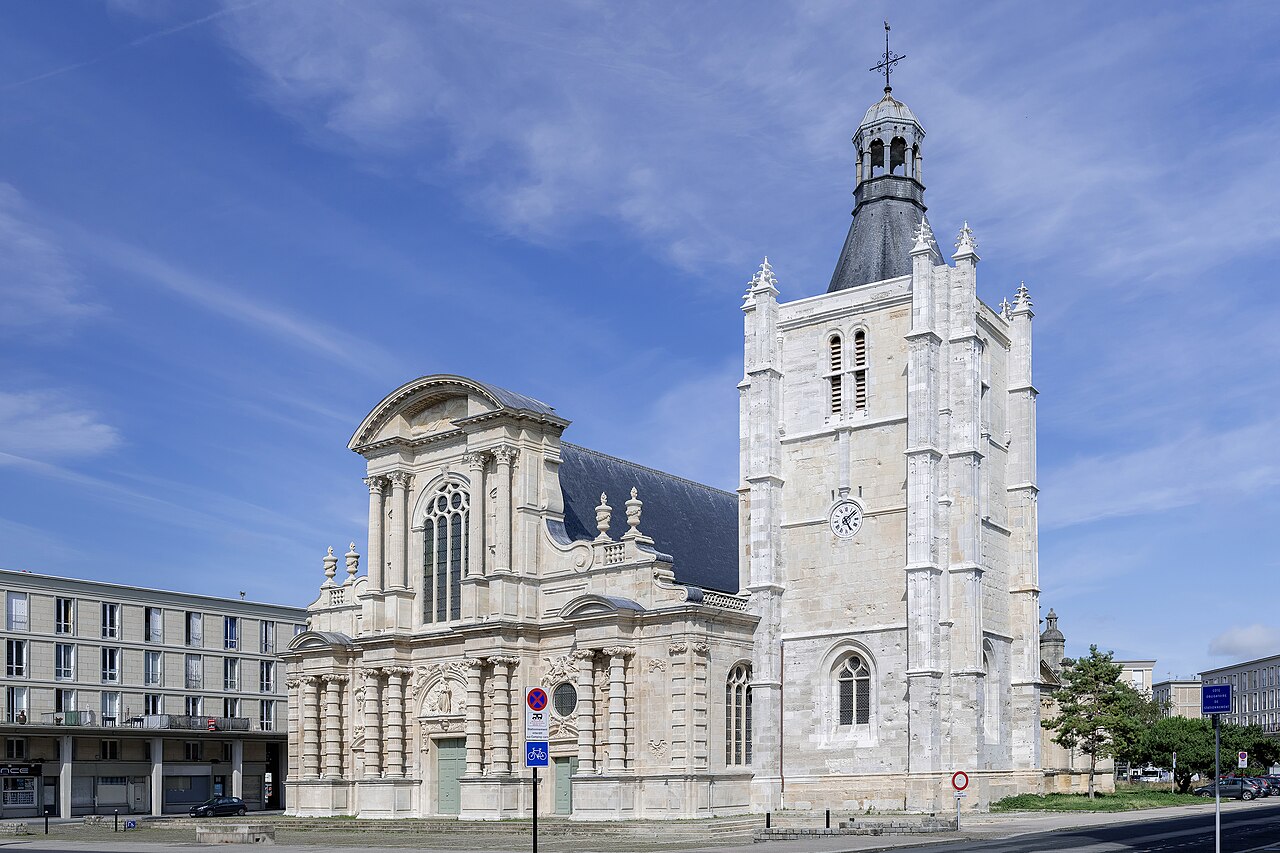
Perret’s approach combined modern materials with classical concerns for proportion, light and public space. Landmarks from the reconstruction era — especially the church whose tower marks the skyline — provide a strong visual identity. Visitors and scholars note the uniformity of building heights, the use of precast and cast-in-place concrete, and the way avenues open toward civic squares and the harbour.
Economy, transport and the port
The port complex handles container traffic, bulk goods, vehicles and passenger services, and it connects maritime shipping with inland waterways and national rail and road networks. Its location on the Seine estuary facilitates access to Paris and the interior by river as well as by land, making it a key logistic node for Normandy and beyond. Cruise ships and ferry services also call at Le Havre, contributing to tourism and regional links.
Culture, institutions and visiting
Le Havre supports a lively cultural life: the Musée d'art moderne André Malraux (MuMa) is known for its collection of Impressionist and modern paintings; theatres, festivals and contemporary art venues operate alongside maritime museums and interpretation centres. Higher-education institutions, including business and technical schools, serve the city and region. The city’s waterfront promenades, beaches and reconstructed streets attract visitors interested in 20th-century architecture, maritime history and coastal Normandy.
Notable facts
- Founded in 1517 under Francis I, Le Havre developed from a royal port into an industrial and commercial hub.
- The wartime destruction and Perret’s reconstruction define its modern urban identity; the ensemble is a designated World Heritage site listed by UNESCO.
- Its position on the Seine estuary and the English Channel gives it strategic maritime importance and links to international shipping (port references).
- For official information consult the municipal portal (Le Havre official) and regional resources on Normandy.
Related articles
Author
AlegsaOnline.com Le Havre — port city of Normandy and modernist heritage Leandro Alegsa
URL: https://en.alegsaonline.com/art/56586
Sources
- insee.fr : INSEE 2010 Urban Area (76701)
- whc.unesco.org : "Le Havre, the City Rebuilt by Auguste Perret"