
Latent heat (energy involved in phase changes)
Latent heat is the energy absorbed or released when a substance changes phase without a temperature change. It explains melting, boiling, condensation, and underpins many technologies and weather phenomena.
Latent heat is the energy exchanged by a substance during a change of state — for example, when a solid becomes a liquid or a liquid becomes a gas — while its temperature remains constant. The word "latent" means hidden: the heat does not raise or lower the thermometer reading but is consumed or released as intermolecular bonds are rearranged. The concept of latent heat was developed in the 18th century and is fundamental to thermodynamics and heat transfer.
Image gallery
3 Images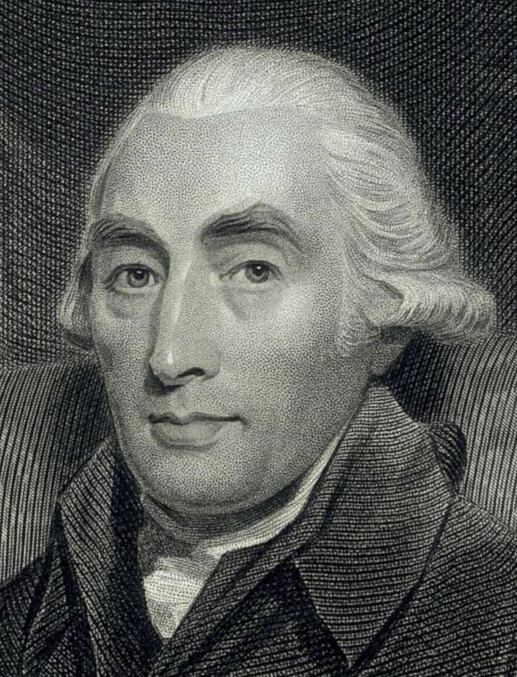


Types and characteristics
Different phase changes have characteristic latent heats. Common categories are:
- Latent heat of fusion: energy to melt a solid to a liquid (e.g., ice to water).
- Latent heat of vaporization: energy to turn a liquid into a gas (e.g., water to steam).
- Latent heat of sublimation: energy to convert a solid directly to a gas (e.g., dry ice to carbon dioxide vapor).
During a phase change the temperature stays effectively constant at a given pressure while energy is added or removed. The amount of latent heat depends on the substance and on pressure; it is typically expressed in joules per kilogram (J/kg) or joules per mole (J/mol).
Mechanism and measurement
Latent heat represents the work needed to break or form intermolecular attractions rather than to increase kinetic energy. Because the energy goes into changing molecular arrangement, a thermometer shows little or no change until the phase transition completes. Engineers and scientists measure latent heat with calorimetry and use it as a key parameter in heat-balance calculations.
Uses, examples and importance
Latent heat is central to many natural and engineered processes. Weather systems depend on the latent heat released when water vapor condenses to form clouds and storms. Refrigerators, heat pumps and steam engines exploit latent heat to move energy efficiently. Thermal storage systems can store and release large amounts of energy using phase-change materials. Everyday examples include ice melting in a drink, water boiling into steam, and frost forming on a window.
Distinctions and notable facts
Latent heat is distinct from sensible heat, which changes temperature without a phase change. Typical values for water are well known: melting ice requires substantially less energy than vaporizing water. Practical behavior can include superheating or supercooling when a material temporarily bypasses its usual phase change. For further basic explanations of phase changes see phase change overview, examples of boiling and steam formation at boiling water to steam, and freezing processes at freezing and solidification.
Related articles
Author
AlegsaOnline.com Latent heat (energy involved in phase changes) Leandro Alegsa
URL: https://en.alegsaonline.com/art/56191