
States of Matter: solids, liquids, gases, plasma and beyond
Survey of the principal states (phases) of matter, their properties, common transitions, historical development, and practical significance.
Overview
The phrase "states of matter" refers to distinct forms in which a large collection of atoms or molecules arranges and behaves. The most familiar categories are classical states, commonly listed as solids, liquids, gases, and plasma. Each state shows characteristic mechanical, thermal, and electromagnetic behavior determined by how strongly the constituents interact and how free they are to move.
Image gallery
9 Images


Common states and examples
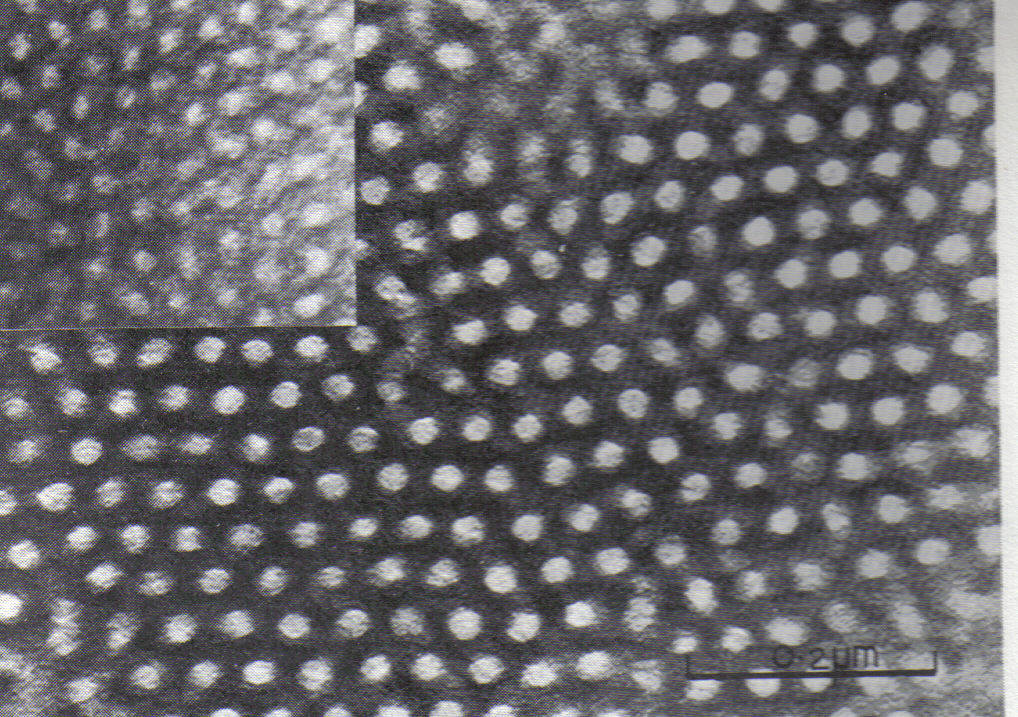
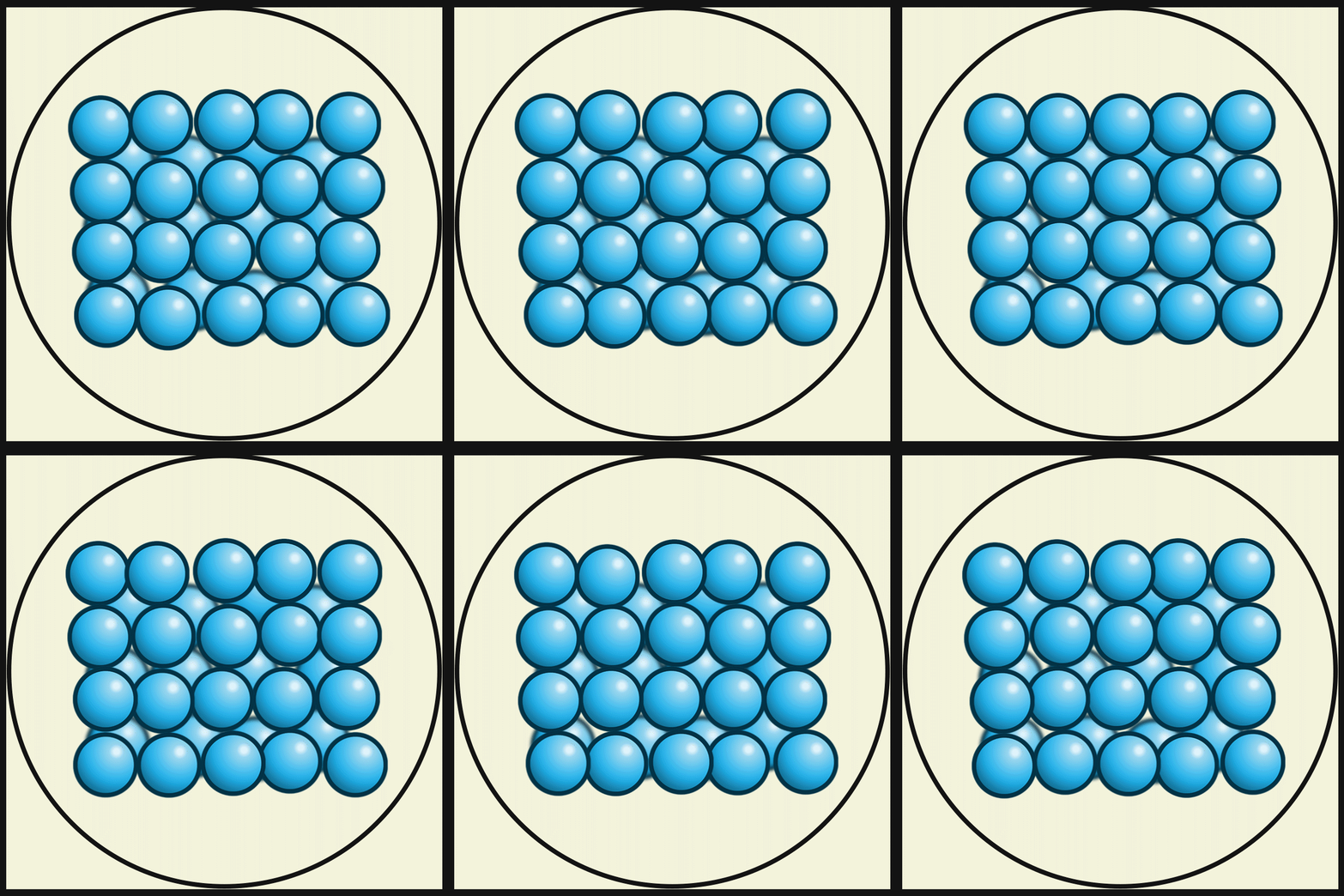
- Solid — fixed shape and volume; particles vibrate around fixed positions. Examples: metals, rock, ice. Further reading: solids.
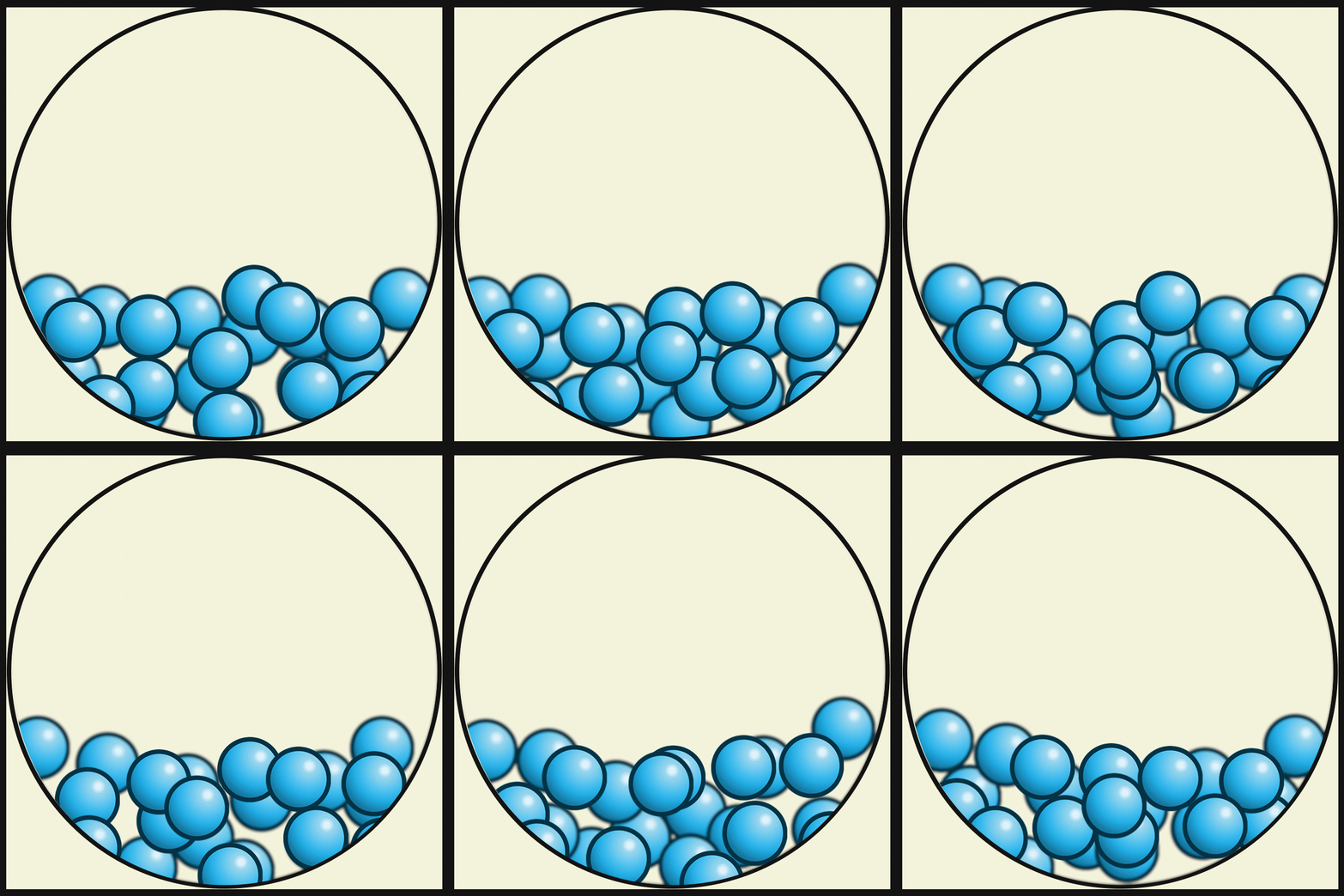
- Liquid — fixed volume but adaptable shape; molecules flow and rearrange. Examples: water, molten metals. See liquids.
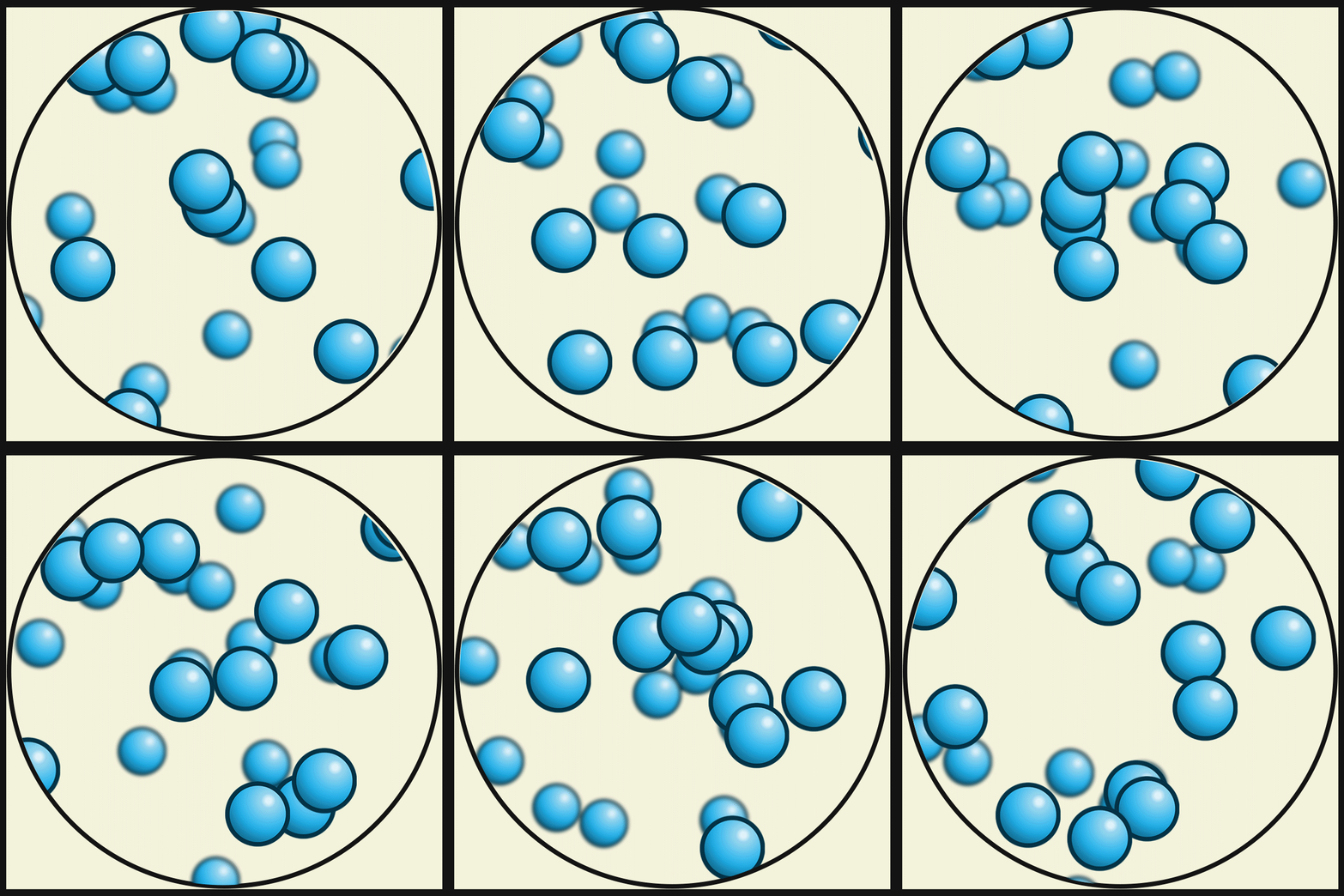
- Gas — neither fixed shape nor fixed volume; particles largely free and expand to fill containers. Examples: air, steam. See gases.
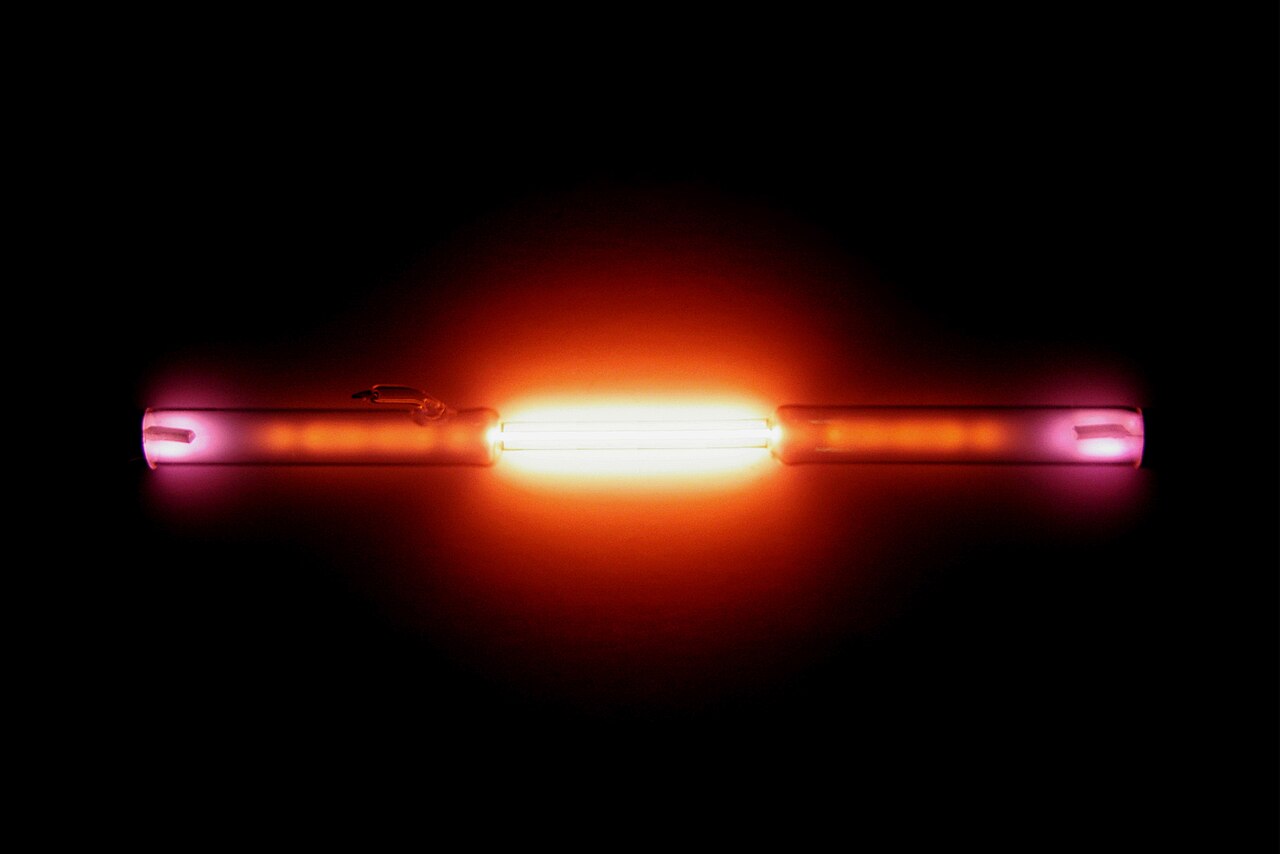
- Plasma — ionized gas with free charges that respond strongly to electromagnetic fields; found in stars and neon signs. See plasma.
Properties, measurements, and phase changes
Material properties that help distinguish states include density, viscosity (resistance to flow), malleability or brittleness, and electrical conductivity. Changing temperature or pressure can push a substance from one state to another: melting, freezing, vaporization, condensation, sublimation and ionization are typical transitions. Many of these changes are reversible under controlled conditions, although kinetics and impurities can complicate the process.
History and extensions
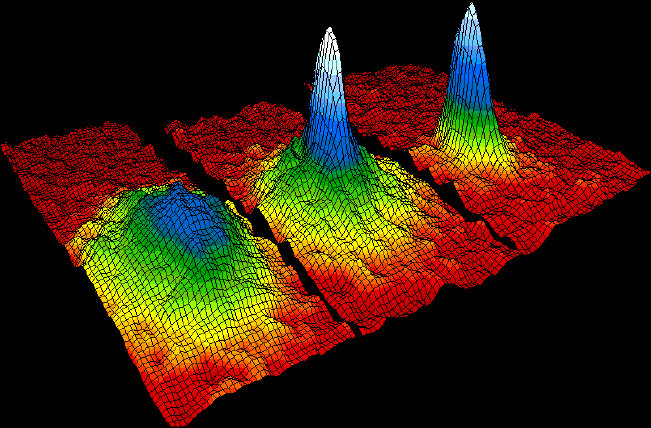
Ancient thinkers suggested a few qualitative categories for materials, but modern atomic theory and thermodynamics clarified why phases occur. In the 20th century, physicists discovered additional, less familiar phases such as superfluids and Bose–Einstein condensates, which appear under extreme conditions of temperature or density and require quantum descriptions. The term phase is used in materials science to denote regions with uniform structure and composition, a related but more technical concept than everyday "state."
Importance and applications
Understanding states of matter is central to chemistry, engineering, meteorology, astrophysics and technology. Engineers exploit phase changes in heat engines and refrigeration; materials scientists tune phases to produce alloys, polymers, or ceramics; and astrophysicists study plasma behavior to understand stars and fusion. Practical examples include ice melting on roads, cloud formation, and neon lighting based on plasma.
Notable distinctions and facts
- Critical points and phase diagrams show conditions where distinctions between liquid and gas disappear.
- Mixed phases, like emulsions or alloys, combine properties of more than one state at mesoscopic scales.
- Exotic phases remind us that the "four states" are a convenient summary, not an exhaustive list.
For more technical introductions and visual guides, consult the overview on states and phases and specialized entries on solids, liquids, gases, plasma, and measurements like density and viscosity, or material properties such as malleability and conductivity.
Questions and answers
Q: How many common states of matter are there in the universe?
A: There are four common states of matter in the universe: solid, liquid, gas, and plasma.
Q: Does the state of matter have any effect on a substance's properties?
A: Yes, the state of matter affects a substance's properties.
Q: What are some examples of properties that are affected by the state of matter?
A: Some examples of properties that are affected by the state of matter include density, viscosity (how well it flows), malleability (how easy it is to bend), and conductivity.
Q: Are changes between states of matter reversible?
A: Yes, changes between states of matter are often reversible.
Q: Can solids, liquids, and gases be changed into plasma?
A: Yes, solids, liquids, and gases can be changed into plasma by heating them to extremely high temperatures.
Q: Can plasma be found naturally on Earth?
A: Yes, plasma can be found naturally on Earth in things like lightning, the aurora borealis, and flames.
Q: How does matter change from solid to liquid to gas?
A: Matter changes from solid to liquid to gas as it absorbs heat energy, which causes the atoms or molecules to move faster and eventually break free from their fixed positions.
Related articles
Author
AlegsaOnline.com States of Matter: solids, liquids, gases, plasma and beyond Leandro Alegsa
URL: https://en.alegsaonline.com/art/93538