
Mortgage: definition, how it works, types, uses, and important considerations
A mortgage is a loan secured by real property. This article explains how mortgages work, key terms, types, costs, historical notes and risks like foreclosure and market crises.
A mortgage is a legal arrangement in which ownership of real assets is used to secure a debt. In practice a borrower obtains funds from a lender and pledges real property — such as land, a house or a building — as collateral. The loan itself is commonly called a loan and provides money to the borrower for purchase, improvement or refinancing. The borrower promises to repay the debt, usually in regular instalments that include repayment of principal and interest. If payments are not made, the lender may enforce its rights against the pledged property through foreclosure.
Image gallery
6 Images



Key components and terms
Common features of a mortgage include the principal balance, interest rate, amortization schedule and any fees charged at closing. The roles in the contract are often described with specific terms: the borrower (or mortgagor) owns the property, and the lender (or mortgagee) holds the security interest. The creation of the loan and security is sometimes called the mortgage transaction. Closing costs cover services such as appraisal, title search and legal fees, and are paid when the loan is originated or when refinancing.
Types and structures
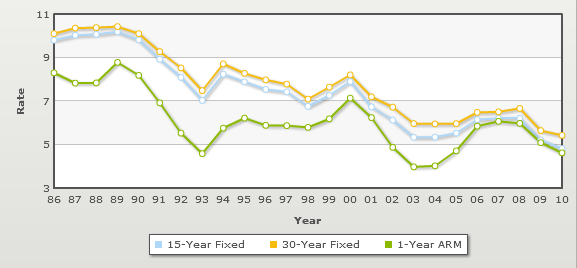
- Fixed-rate mortgages — interest rate stays the same for the loan term, so monthly payments are predictable.
- Adjustable-rate mortgages (ARMs) — rate changes over time according to an index, which can lower initial payments but increases uncertainty.
- Government-backed and specialty loans — programs such as insured or guaranteed loans aim to expand access for certain borrowers or purposes.
- Other structures — interest-only, balloon and reverse mortgages provide different cash-flow patterns or eligibility criteria.
Uses, examples and importance
Mortgages are most commonly used to buy homes: the loan provides funds to purchase the property while the property secures repayment. Homeowners may later refinance a mortgage to lower payments, change the term, or tap equity for other uses. Lenders rely on property values, borrower credit and income when assessing risk. Mortgages also underpin large portions of residential and commercial finance and are a major component of many economies.
Risks, protections and history
Because the property serves as collateral, borrowers facing payment default risk losing their home through foreclosure. Legal protections, consumer disclosure rules and loss-mitigation options can limit harm. Mortgages have long roots in property law and evolved into complex financial instruments; problems in underwriting and loan practices contributed to notable market disruptions in recent decades, which affected house prices and broader economic stability. Understanding the contract terms and long-term costs is essential before taking on a mortgage.
Distinctions and practical considerations
Different jurisdictions use varied documents and terminology — for example, some places use a deed of trust or charge rather than a traditional mortgage. Practical steps for prospective borrowers include comparing interest rates and fees, checking amortization schedules, verifying title and making realistic budgets for insurance, taxes and maintenance. For more detailed guides and tools, consult financial advisers and reputable resources: real property, loan, money, land, house, building, debtor, creditor, transaction, interest.
Related articles
Author
AlegsaOnline.com Mortgage: definition, how it works, types, uses, and important considerations Leandro Alegsa
URL: https://en.alegsaonline.com/art/66796