
Lithuanian litas
Former national currency of Lithuania, first issued in 1922 and reintroduced in 1993; subdivided into 100 centų and replaced by the euro in 2015. Denominations included coins from 1 cent to 5 litas and banknotes to 500 litas.
Overview
The Lithuanian litas was the national currency of Lithuania during two distinct periods: following independence after World War I and again after the end of Soviet rule. Its ISO code was LTL and its usual abbreviation and symbol were Lt (sometimes Litas). It was subdivided into 100 centų (singular: centas). The litas ceased to be Lithuania's legal tender when the country joined the euro area in 2015.
Image gallery
10 Images


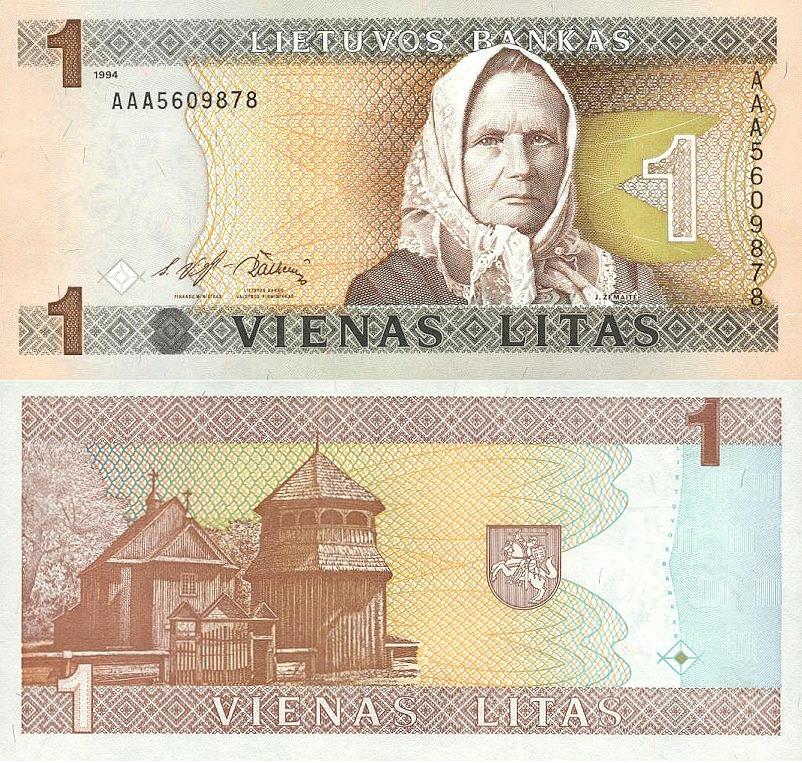


Denominations and design
Modern issues of the litas comprised both coins and banknotes produced under the authority of the Bank of Lithuania. Common circulating denominations included:
- Coins: 1, 2, 5, 10, 50 centų and 1, 2 and 5 litas.
- Banknotes: 10, 20, 50, 100, 200 and 500 litas.
Coins typically carried national symbols such as the Vytis (the mounted knight) and numeric value marks; banknotes featured portraits, cultural motifs and security elements appropriate to their issue dates. The Bank of Lithuania regulated issuance and withdrawal of notes and coins, and occasional commemorative coins were produced for anniversaries and national events.
History and development
The name "litas" is associated with the country's name and identity. The currency first appeared in the early 1920s as Lithuania established its monetary independence after the First World War. The litas disappeared from circulation during the mid-20th century as Soviet monetary arrangements replaced national currencies. After the restoration of independence in the early 1990s, transitional measures were used until the litas was reintroduced as the national currency in the 1990s.
Monetary policy and transition to the euro
During its modern existence the litas was managed with policies designed to ensure price stability and public confidence. In the years before euro adoption Lithuania maintained a stable exchange arrangement and met the conditions required for entry into the euro area. The euro was adopted as Lithuania's official currency in 2015, ending circulation of the litas; physical litas notes and coins were withdrawn according to schedules set by monetary authorities.
Uses and legacy
Beyond day-to-day transactions, the litas had symbolic importance for national sovereignty and economic normalization after the Soviet era. Collectors and museums preserve many litas banknotes and coins as part of Lithuania's numismatic and historical heritage. For more detailed information on specific issues, denominations and design series see the following resources:
- Modern coinage and symbols
- History of early issues
- Transitional monetary arrangements
- Banknotes and security features
- Commemorative coin programs
- Adoption of the euro and withdrawal schedule
The litas remains a subject of study for economists, historians and numismatists interested in monetary transitions, national identity and post-Soviet economic development.
Questions and answers
Q: What is the Lithuanian litas?
A: Lithuanian Litas is the national currency of the Republic of Lithuania.
Q: When did Litas become the currency of Lithuania?
A: Litas became the currency of Lithuania in 1922, and later in 1993.
Q: How many coins are in use in the present day?
A: There are 8 coins in use in the present day, namely 1, 2, 5, 10, 50 cents and 1, 2, and 5 LTL.
Q: How many banknotes are in use in the present day?
A: There are 6 banknotes in use in the present day, namely 10, 20, 50, 100, 200, and 500 LTL.
Q: Is Litas still in use?
A: No, Litas stopped being in use in 2015.
Q: When did Litas stop being the national currency of Lithuania?
A: Litas stopped being the national currency of Lithuania in 2015.
Q: Which banknotes are in use in the present day with the highest denominations?
A: The banknotes with the highest denominations in use in the present day are 200 and 500 LTL.
Related articles
Author
AlegsaOnline.com Lithuanian litas Leandro Alegsa
URL: https://en.alegsaonline.com/art/58453