
Lance (cavalry spear and pole weapon)
A lance is a long, non‑throwing pole weapon used primarily by mounted troops. It evolved for shock cavalry tactics, had distinct parts such as a vamplate, and remained in use ceremonially long after its battlefield decline.
Overview
A lance is a specialized type of pole weapon carried primarily by a mounted warrior. Unlike lighter throwing spears, a lance is designed for a single powerful thrust delivered from horseback. It is generally longer, thicker and heavier than an infantry spear and is not intended for repeated quick thrusting or for being thrown, a feature that distinguishes it from many javelins and light spears.
Image gallery
7 Images



Design and components
Typical lances consist of a long wooden shaft tipped with a hardened iron or steel head. Many medieval and early modern lances included a small circular guard called a vamplate to stop the hand sliding forward on impact; some had socketed heads while others were socketless. The shaft length varied by era and region but was often significantly longer than infantry spears to allow the rider to strike from a distance. Decorative elements such as pennons or streamers were sometimes attached near the tip for identification or ceremonial display.
Handling and tactics
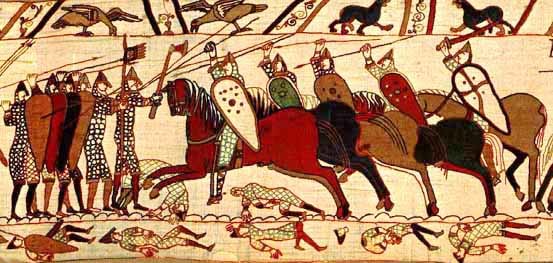
Mounted troops usually carried the lance in a couched position — tucked under the arm and braced against the rider’s body — so that the combined momentum of horse and rider drove the point home during a charge. This technique relied on stability provided by saddlery and rider skill rather than on throwing. The development and wider adoption of the stirrup (and improvements in saddles) helped riders remain seated and absorb recoil, although historians note the relationship is complex and regionally variable. Because a lance was most effective in the initial clash, riders typically carried secondary arms — swords, maces or shorter spears — for close fighting after the lance had been broken or discarded.
History and geographic spread
Versions of lance‑type weapons appear across the Old World wherever horse cavalry developed. In medieval Europe lances became closely associated with knights and mounted nobility, contributing to shock cavalry tactics and tournaments. Similar long thrusting spears were used by Turkish, Persian, Indian and Chinese horsemen as well. The weapon’s prominence rose and fell with changes in battlefield technology and organization: it was decisive in many medieval engagements but later declined as firearms and new formations reduced the effectiveness of massed cavalry charges.
Uses, ceremonial survival and legacy
Beyond battlefield employment, the lance featured in tournaments and ceremonial contexts. Several modern military units retained lances as part of their dress and regimental identity well into the 19th and 20th centuries; some light cavalry units were still called "lancers". Today the lance survives mainly in historical reenactment, competitive jousting and parade traditions, where it symbolizes mounted martial culture rather than serving as a practical weapon.
Distinctions and notable facts
- Lance vs. spear: the lance is generally longer and heavier and used from horseback rather than thrown.
- Lances were designed not to have breakable tips, unlike many javelins, so they could transfer kinetic energy on impact.
- Equipment such as the thrusting technique, vamplate and couched position are characteristic features of lance combat.
- Lances played a major role in European knightly warfare but similar concepts existed across Eurasia, including among European and non‑European cavalry traditions.
For further reading on related polearms and cavalry equipment, consult dedicated studies and museum collections that examine surviving examples and period sources. Many aspects of how riders used lances — from manufacturing details to tactical employment — are documented in archaeological finds and historical treatises, though regional differences are significant.
Pole weapon • Mounted warrior • Infantry spear • Thrusting • Charge • European • Old World • Stirrup • Saddles
Related articles
Author
AlegsaOnline.com Lance (cavalry spear and pole weapon) Leandro Alegsa
URL: https://en.alegsaonline.com/art/55764