
Stirrup
A stirrup is a saddle-mounted foot support used on riding animals such as horses and mules. It helps riders mount, keep balance, and control the animal more securely.
A stirrup is a ring or frame, usually with a flat or curved footrest, that hangs from each side of a saddle on a strap. It gives the rider a place to rest the foot while seated on a riding animal such as a horse or mule. In everyday riding, the stirrup improves balance and makes it easier to mount, ride, and dismount.
Image gallery
10 Images


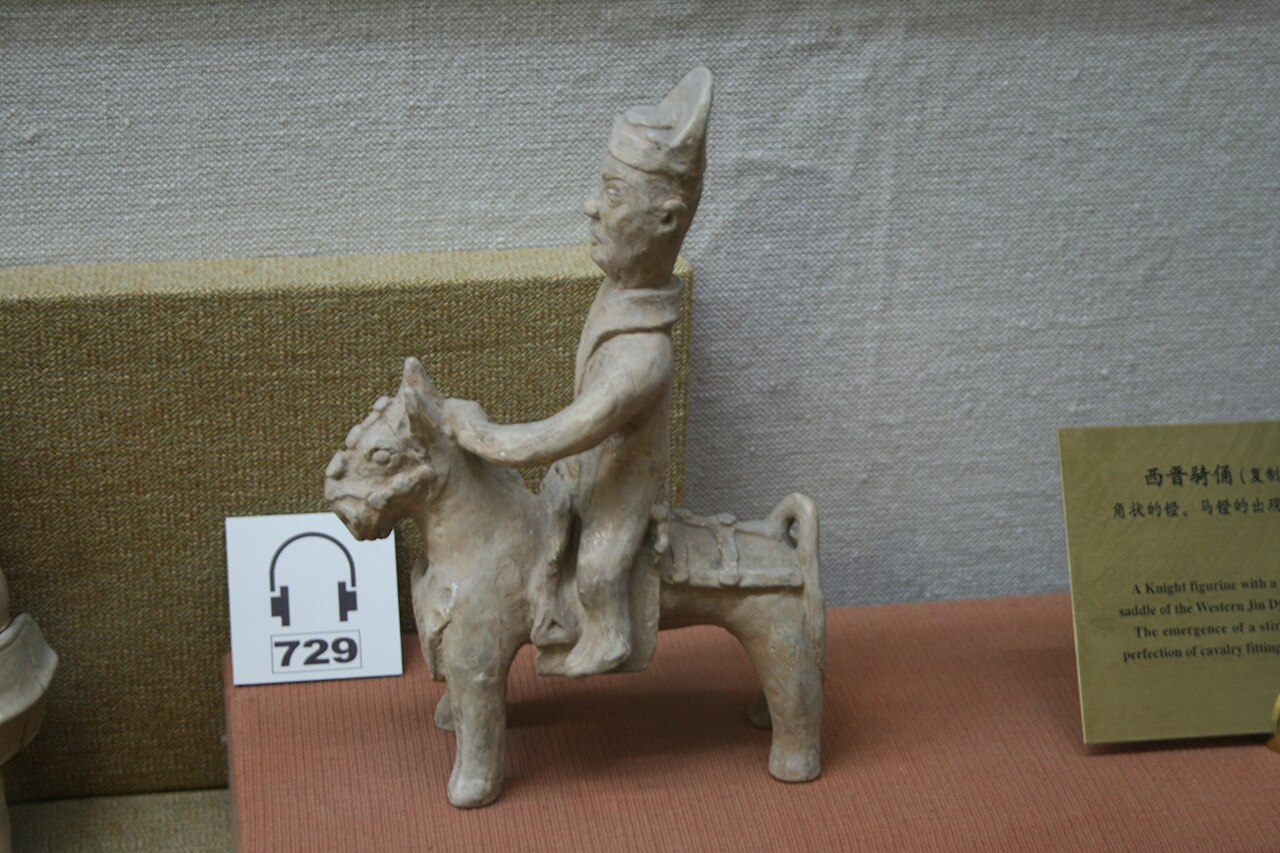


How it is made and used
Most stirrups are attached to the saddle by adjustable leather or synthetic straps, called stirrup leathers. The rider places the ball of the foot on the tread rather than the whole foot deep inside the frame. This position helps support the leg while still allowing the rider to free the foot quickly if needed. Modern designs may include wider treads, rubber covers, or safety features intended to reduce the chance of the foot becoming trapped.
History and development
The stirrup is a major innovation in equestrian equipment. Early forms developed in Asia and spread gradually across Eurasia, where they changed riding and mounted warfare by giving riders more stability and leverage. Over time, stirrups became standard in many riding traditions and were adapted for different saddles, animals, and styles of use. Their spread is often discussed alongside the history of cavalry and the rise of more secure mounted riding.
Why stirrups matter
Stirrups are useful for both practical and safety reasons. They help riders:
- mount the animal more easily
- maintain posture and balance in the saddle
- apply leg aids more effectively
- share weight during jumps or rough ground
Although the basic design is simple, stirrups are an essential part of many saddles. They are used in recreation, sport, work, and traditional riding, and their shape may vary depending on discipline, comfort, and safety requirements.
Related articles
Author
AlegsaOnline.com Stirrup Leandro Alegsa
URL: https://en.alegsaonline.com/art/93965