
Landing craft
Small to medium boats designed to move troops, vehicles and supplies from transport ships to a beach when a port is unavailable, using shallow‑draft, flat‑bottom designs and often a bow ramp.
Overview
Landing craft are boats intended to carry personnel, vehicles and cargo from a larger ship directly onto a shore, especially where no usable port or pier exists. They range from simple, open small boats to larger, armored vessels and modern air‑cushion craft. Historically they enabled amphibious assaults and logistical landings by bridging the gap between sea transport and overland operations.
Image gallery
10 Images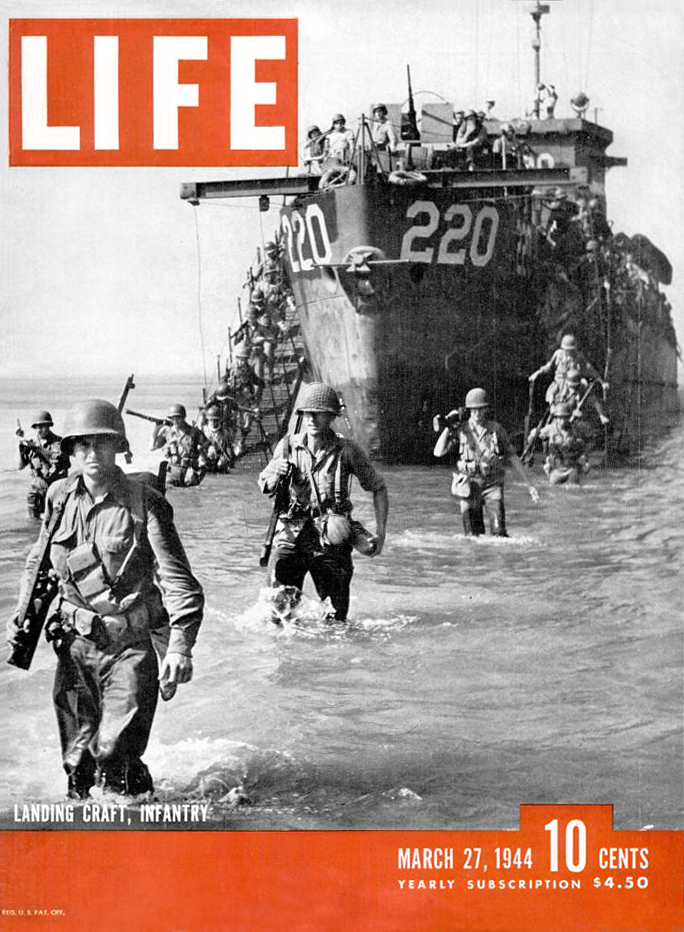

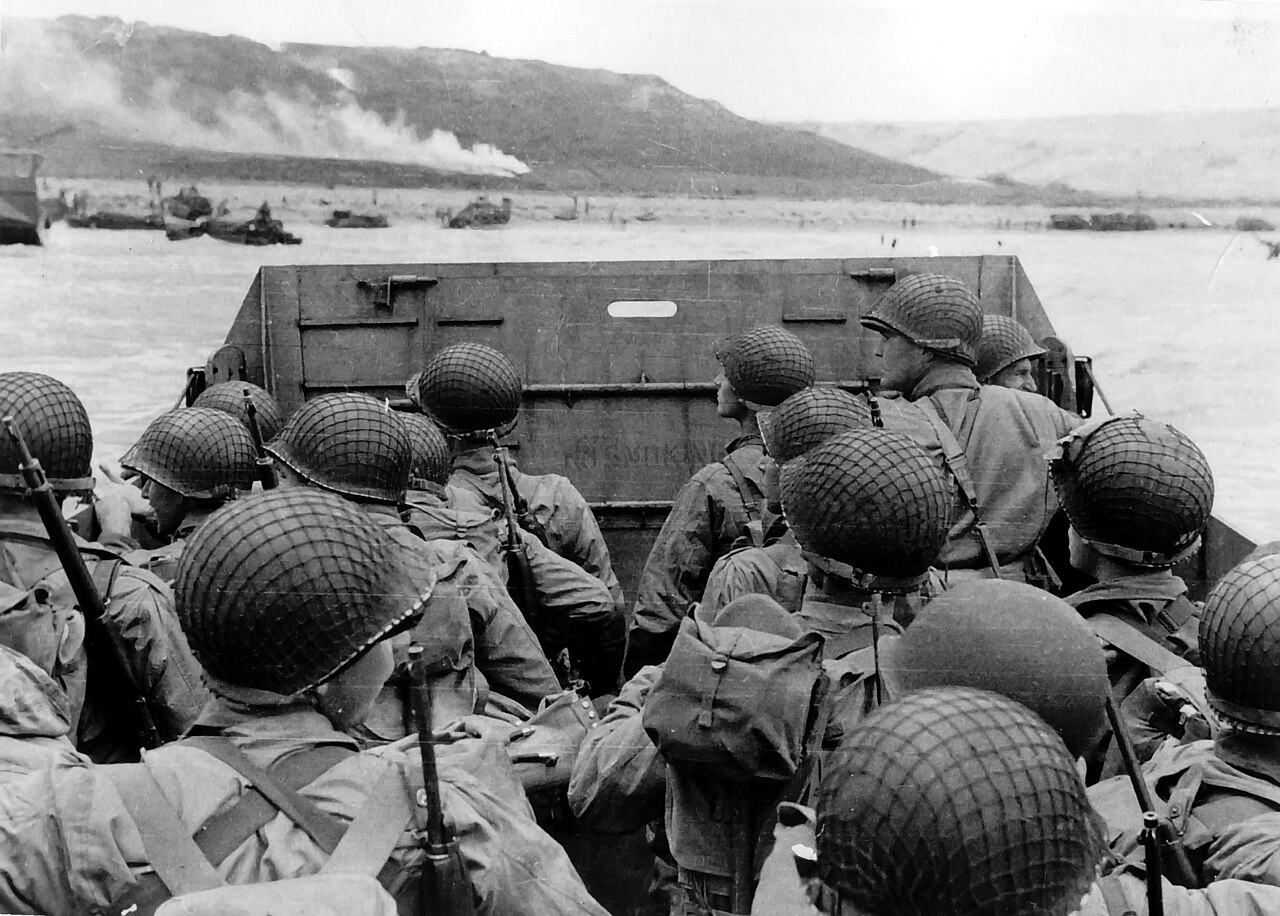


Design and key characteristics
Common features include a shallow draft and a relatively flat bottom so the craft can approach and rest on a beach. Many landing craft have a bow that opens as a ramp, allowing troops and vehicles to disembark directly onto land. The hull form and structure prioritize beachability and cargo capacity over seakeeping, which makes them less comfortable and more difficult to operate in rough open seas.
- Shallow draft: permits close approach to shore and operation in littoral waters.
- Bow ramp: facilitates rapid unloading of personnel and wheeled or tracked vehicles.
- Durability: reinforced hulls and simple mechanical systems for reliability under combat or austere conditions.
Types and variations
There are several types of landing craft used for different roles: small craft for infantry, larger platforms for vehicles, and high‑speed hovercraft that reduce grounding time. Modern amphibious ships often carry multiple kinds of craft and employ well decks to launch and recover them.
History and development
Landing craft became prominent in large amphibious operations of the 20th century, when moving large numbers of troops and mechanized equipment from ship to shore was essential. Innovations such as the bow ramp and purpose‑built hulls improved the speed and safety of beach landings. Later developments emphasized speed, payload and survivability, and introduced air‑cushion designs and mechanized well decks on motherships.
Uses, examples and notable facts
Aside from military amphibious assaults, landing craft are used for resupply, humanitarian relief, disaster response and operations in areas lacking port infrastructure. Their ability to deliver vehicles and supplies directly to a shoreline makes them valuable wherever shoreside access is limited. For details on beach operations see beach landing procedures, and for information on the ships that carry them see transport ships and amphibious vessels. When ports are unusable, landing craft perform the role usually handled by docks and terminals; more on that topic is available at ports and maritime logistics.
Related articles
Author
AlegsaOnline.com Landing craft Leandro Alegsa
URL: https://en.alegsaonline.com/art/55816