
Saddle: design, history, types, and use in riding and pack work
An accessible overview of the saddle: its parts, development, major types (English, Western, pack, sidesaddle), fitting and care, and its role in riding and animal work.
A saddle is a supportive seat fastened to the back of an animal to carry a rider or loads. Most commonly associated with horses, a saddle transfers the rider's weight across a wider surface, improves balance and control, and provides attachment points for stirrups and straps. It is secured by straps beneath the animal such as a girth and often includes a rigid or semi-rigid frame called a tree. Although horse saddles are the best known, specialized saddles exist for camels, mules, pack animals and other riding animals.
Image gallery
10 Images

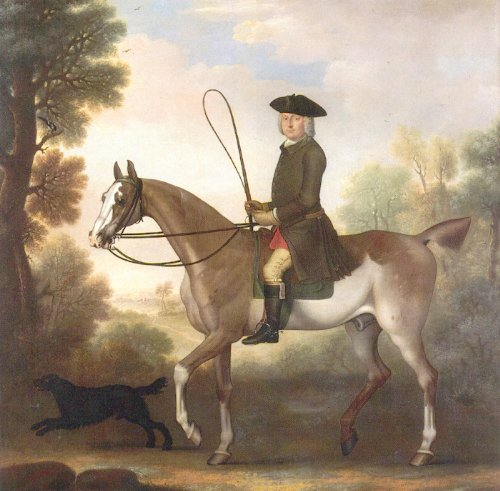





Basic components and how a saddle works
Despite wide stylistic differences, most saddles share a set of core components that affect function and fit. Common elements include:
- Tree: a frame, traditionally wood or metal, that shapes the saddle and helps distribute weight across the animal's back.
- Seat: the top surface on which the rider sits; its shape and depth influence riding position.
- Pommel or swell and cantle: raised areas at the front and rear that provide stability for the rider.
- Flaps, skirts and panels: leather or padded sections that protect the animal and provide attachment points for straps and stirrups.
- Stirrups and leathers: foot supports that give the rider balance and leverage; stirrup adoption was a major step in riding evolution (stirrups).
Historical development
Saddles evolved gradually from simple pads to the more complex structures used today. Early riders used blankets or pads secured with a surcingle; archaeological evidence suggests simple pad-style supports were in use by around 800 BC. A distinct saddle tree that shaped and strengthened the saddle appeared later, by the first centuries BC, allowing better weight distribution and more secure seating. The widespread use of paired stirrups emerged in the early centuries AD and had profound effects on riding technique and cavalry tactics in many cultures. Over subsequent centuries the saddle diversified into forms tailored for warfare, travel, herding and sport; many modern designs settled into recognizable forms by the 18th and 19th centuries.
Major saddle styles and their uses
Saddle designs reflect the activities for which they are intended. The two broad families for horse work are English and Western, but there are several other important types:
- English saddles: generally lighter and with smaller flaps, these are used for disciplines such as show jumping, dressage and eventing. They encourage close contact with the horse and a balanced, forward seat. See common English disciplines (showing and sport).
- Western saddles: larger, heavier and often fitted with a horn and higher cantle. Originally developed for cattle work and ranching, the horn was used to secure roped livestock. Western saddles remain standard for rodeo, roping and many trail and stock activities; they also serve barrel racing and other Western sports (barrel racing).
- Pack and trail saddles: built to distribute heavy loads on pack animals such as mules or donkeys; designs include specialized tree shapes and rigging to hold cargo safely.
- Sidesaddle: a historical and still-practiced form that allows a rider to sit with both legs to one side; often used in ceremonial riding and some classical disciplines.
- Camels and regional saddles: camels and other pack animals use distinct saddles adapted to their anatomy and cultural usage (camel saddle).
- Treeless and synthetic variants: modern materials have produced lighter or more flexible options that alter fit and pressure distribution; they are chosen for comfort, specific disciplines or packability.
Fitting, safety and care
Proper fit is essential for both animal welfare and rider comfort. A saddle that fits poorly can pinch, concentrate pressure, cause sores or restrict movement. Fit involves tree width and shape, panel placement, seat size for the rider and correct placement of straps such as the girth. Riders choose stirrup length and saddle type to suit their discipline — for example, an English jumping saddle encourages a forward two-point position, whereas a Western saddle supports a deeper seated posture and makes use of a horn for roping tasks (Western sports).
Routine maintenance prolongs a saddle's life: cleaning and conditioning leather, checking stitching and billet wear, inspecting the tree for cracks, and storing the saddle away from extreme heat or damp. Treeless and synthetic saddles have different care needs but the same principle applies: regular inspection and prompt repair reduce risk to horse and rider.
Significance and distinctions
Saddles are central to equestrian culture and to many traditional livelihoods worldwide. The choice of saddle affects riding position, communication with the mount, and the types of work or sport that can be safely performed. Historical changes in saddle design influenced military tactics, transportation and social practices; today, the wide variety of saddle styles reflects specialization for competitive sports, ranch work, long-distance riding and recreational use. When selecting a saddle, riders balance the demands of the activity, the comfort of the animal, and safety considerations, often consulting saddle fitters or experienced instructors to find the best match.
For more details on technical terms and fitting techniques, follow specialized resources and professional saddle-fit guides: for example, reference materials addressing girth selection (girth), the anatomy of the tree and the differences between English and Western disciplines (horse), as well as regional traditions of camel and pack saddles (camel) and the historical role of stirrups (stirrups).
Author
AlegsaOnline.com Saddle: design, history, types, and use in riding and pack work Leandro Alegsa
URL: https://en.alegsaonline.com/art/85176