
Leander-class frigate (Type 12M)
A versatile mid-20th-century Royal Navy frigate design (Type 12M) used for anti-submarine and general escort duties, widely exported and noted for its longevity and cultural presence.
Overview
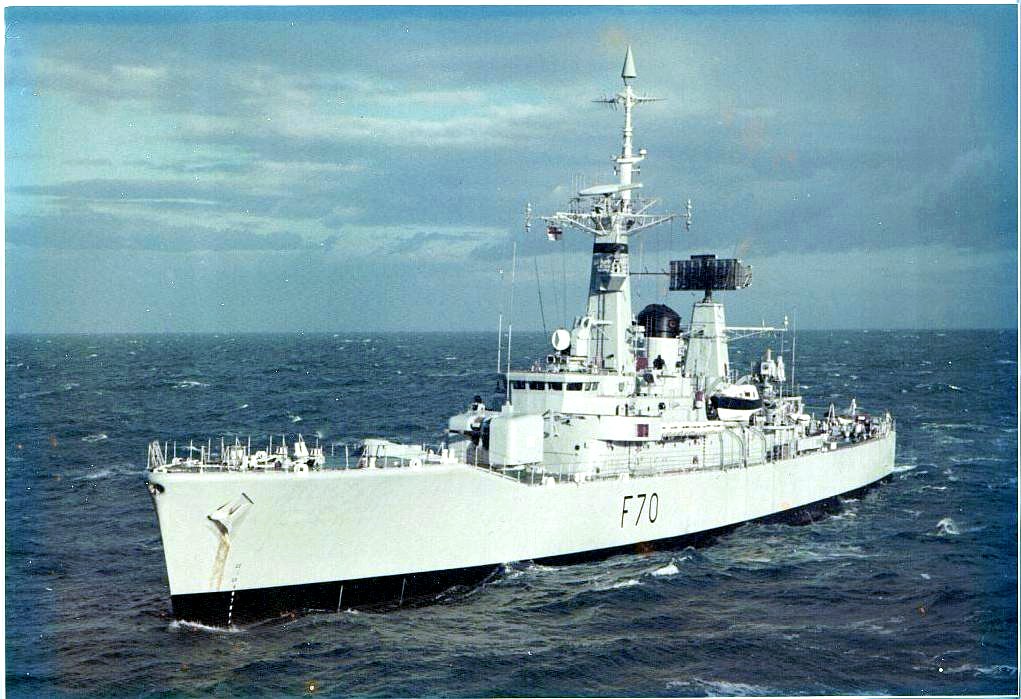
The Leander-class, often referred to by its design code Type 12M, is a group of general-purpose frigates developed for the Royal Navy. Conceived during the Cold War, the class combined anti-submarine capability with flexible surface and air-defence fittings so ships could perform escort, patrol and presence missions around the globe.
Image gallery
7 Images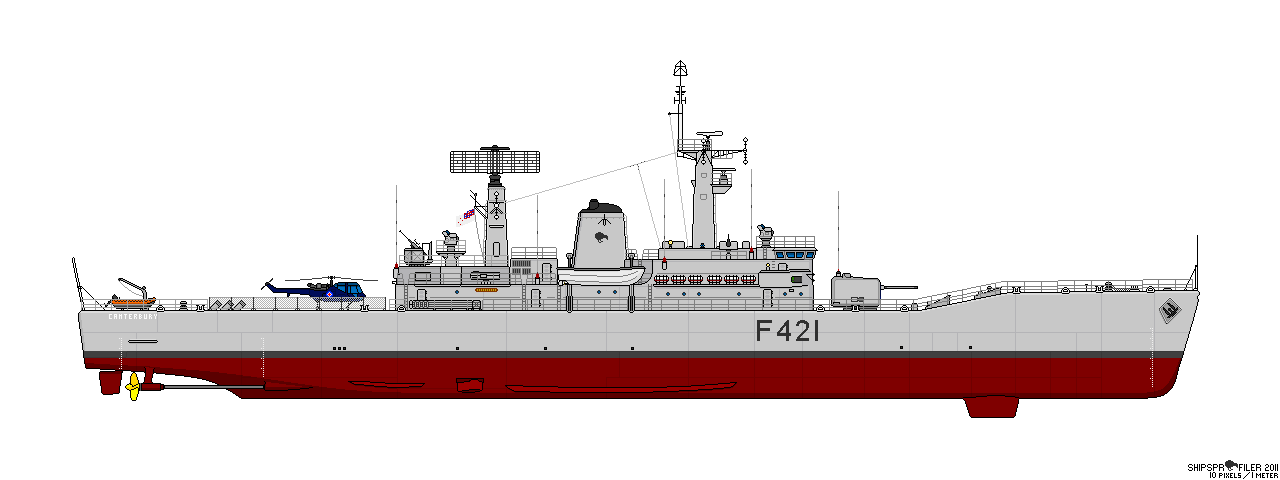


Characteristics and layout
Leander-class frigates were designed as balanced warships rather than specialist platforms. Typical features that defined the class include:
- Compact but seaworthy hull suited to long deployments.
- Primary anti-submarine sensors and weapons, with additions over time to handle evolving threats.
- Surface and limited anti-air armament, often modernised during service life.
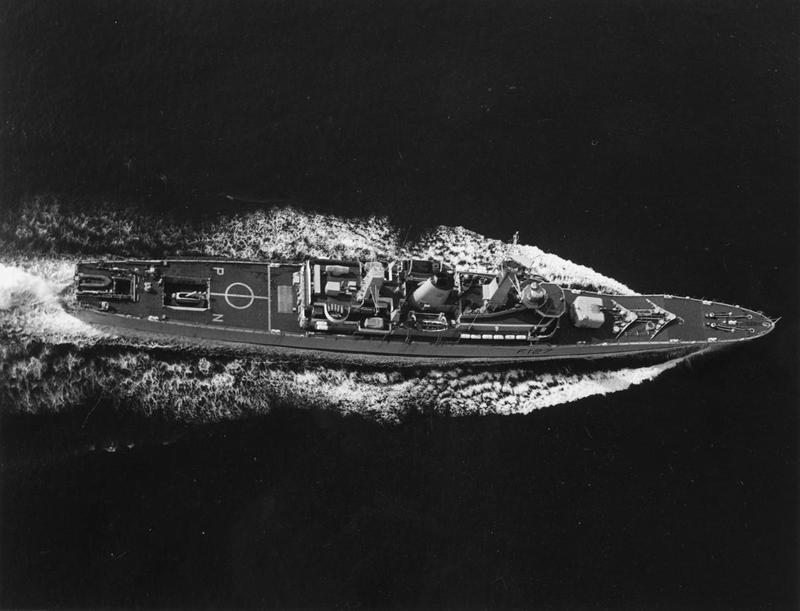
- A flight deck and hangar to operate a small shipboard helicopter, enhancing reach for patrol and anti-submarine work.
Development and modernization
Built as a follow-on to earlier Type 12 designs, the Leander class was produced in several batches and underwent multiple mid-life upgrades. Individual ships received different combinations of radar, missile and anti-submarine equipment according to the needs and budgets of their operators. This adaptability contributed to the type's long operational life and made many hulls attractive for export or conversion.
Operational history and cultural note
Leanders served widely with the Royal Navy during the Cold War era, performing convoy escort, patrol, showing the flag and training duties across several maritime regions. The class also reached public awareness through television drama: the BBC series Warship used Leander-class ships in filming, and the programme was produced by the BBC, helping to cement the class in popular perceptions of postwar naval life.
Legacy and distinctions
Noted for their flexibility, Leander-class frigates influenced later frigate designs and demonstrated the value of upgradeable platforms. Many remained in service for decades, and some were sold or transferred to foreign navies where they continued to operate under new flags. The class is frequently cited as an example of pragmatic naval design that balanced cost, capability and adaptability.
Notable facts
The Leander name comes from the lead ship of the class; the series is remembered both for its operational contributions during the Cold War and for the visibility it gained through media portrayal. Their combination of modest size, mixed armament and aviation facilities made them a versatile tool for navies of the period.
Related articles
Author
AlegsaOnline.com Leander-class frigate (Type 12M) Leandro Alegsa
URL: https://en.alegsaonline.com/art/56782