
Lake Albacutya (Victoria, Australia)
Lake Albacutya is an intermittent freshwater lake in western Victoria, Australia, noted for its Ramsar wetland status, seasonal birdlife and role in the Wimmera terminal lakes system.
Overview
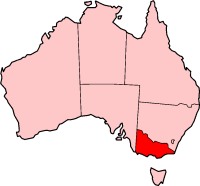
Lake Albacutya is an intermittent freshwater lake in western Victoria, Australia. It belongs to the system of terminal lakes in the Wimmera region and fills only in wetter years when river flows reach the lakebed. The lake is recognised for its ecological importance and is listed under the Ramsar Convention as a wetland of international significance. For general location information see western Victoria.
Image gallery
3 Images

Physical characteristics
When at full capacity, Lake Albacutya occupies about 5,500 hectares and can reach depths up to 8 metres, holding roughly 230 gigalitres of freshwater. Its appearance changes dramatically between wet and dry cycles: at high water it forms a large open-water body; during dry periods it contracts to a mosaic of smaller wetlands and mudflats that support different plant and animal communities.
Hydrology and ecology
The lake is fed intermittently by flows from the broader Wimmera catchment through natural channels and overflows from upstream wetlands. Because inflows are sporadic and evaporation rates are high, the lake may remain dry for many years before refilling. When water returns it provides critical habitat for waterbirds, aquatic plants and invertebrates; many species use the lake as a breeding and feeding ground during these pulses of productivity.
Cultural, recreational and scientific value
The lake and surrounding country have long been important to the Indigenous peoples of the region and continue to hold cultural significance. In modern times, when water levels permit, Lake Albacutya attracts birdwatchers, nature photographers and low-impact recreational activities such as canoeing and fishing. The site also serves as a natural laboratory for studying ephemeral wetland dynamics, waterbird ecology and the effects of variable climate on inland freshwater systems.
Conservation and management
Listing under the Ramsar Convention recognises the lake’s international wetland values and encourages measures to maintain its ecological character. Management typically focuses on protecting habitat, monitoring water quality and bird populations, and balancing visitor access with conservation goals. Because the lake’s condition depends on catchment water availability, broader land and water management in the Wimmera region strongly influence its future health.
Notable facts
- The lake alternates between open water and dry wetland, reflecting highly variable inland Australian hydrology.
- Its Ramsar status highlights its role in supporting waterbird populations during wet phases.
- Lake Albacutya is part of a network of terminal lakes that together form an important ecological complex in western Victoria.
Questions and answers
Q: Where is Lake Albacutya located?
A: Lake Albacutya is located in western Victoria, Australia.
Q: What is the size of Lake Albacutya when full?
A: When full, Lake Albacutya covers 5,500 hectares (14,000 acres).
Q: Is Lake Albacutya a freshwater lake or a saltwater lake?
A: Lake Albacutya is a freshwater lake.
Q: What is the depth of Lake Albacutya?
A: Lake Albacutya is 8 meters (26 feet) deep.
Q: Is Lake Albacutya considered an important wetland?
A: Yes, Lake Albacutya is considered an important wetland and is listed as a wetland of international importance under the Ramsar Convention.
Q: How much water does Lake Albacutya hold when full?
A: When full, Lake Albacutya holds around 230 gigalitres of water.
Q: What is the Ramsar Convention?
A: The Ramsar Convention is an international treaty aimed at conserving and protecting wetlands of international importance.
Related articles
Author
AlegsaOnline.com Lake Albacutya (Victoria, Australia) Leandro Alegsa
URL: https://en.alegsaonline.com/art/55455
Sources
- ramsar.org : "Ramsar Convention - The Ramsar List"
- theage.com.au : "Parched lake may end 15-year dry"
- mdba.gov.au : mdba.gov.au