
Ariel Sharon Park (Ayalon Park) — reclaimed urban park in the Tel Aviv area
A large urban reclamation project transforming the former Hiriya landfill and Ayalon River floodplains into a linked network of parks, wetlands, trails, recycling facilities and environmental education resources.
Overview
Ariel Sharon Park, commonly known also as Ayalon Park, is a large-scale urban reclamation and landscape project in the southern Tel Aviv metropolitan area. Centered on the former Hiriya landfill and adjacent Ayalon River floodplains, the project aims to convert degraded and infrastructural lands into a connected system of green spaces, restored wetland corridors, recreational routes and facilities for recycling and environmental education. The initiative is intended to benefit residents of southern Tel Aviv and surrounding municipalities, while addressing flood management, urban heat and biodiversity enhancement.
Image gallery
5 Images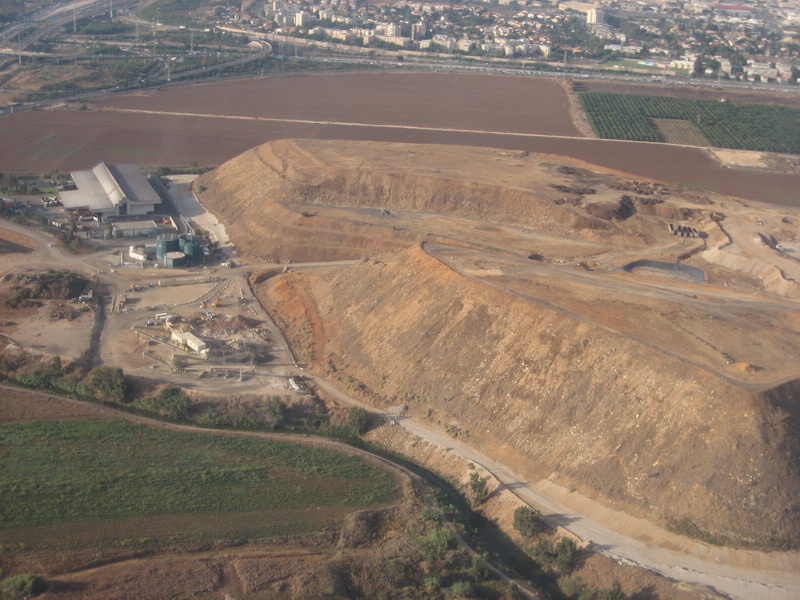


Site and layout
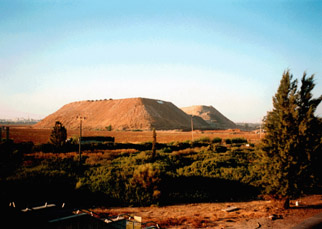
The park master plan combines engineered landscapes with restored natural elements. Key components include a landscaped mound formed from capped landfill material, restored riparian corridors along the Ayalon River and its tributaries such as the Azor and Kofer streams, constructed wetlands for stormwater retention and ecological treatment, wide lawns and picnic areas, lookout points and a network of walking and cycling paths. Major roads such as Road 1 and Road 44 traverse or border the area, so planners incorporated access points, crossings and buffer planting to integrate the park with surrounding neighborhoods.
History and reclamation
The site’s most prominent predecessor was the Hiriya landfill, which operated for decades as the region’s main municipal dump. In recent decades local authorities and planners initiated rehabilitation to stop uncontrolled waste deposition, cap and stabilise the site, and develop a lawful recycling and waste-processing complex adjacent to the landscaped areas. The park project grew from these remediation efforts into a broader vision of turning a former environmental liability into a public amenity and demonstration of urban sustainability.
Environmental and technical features
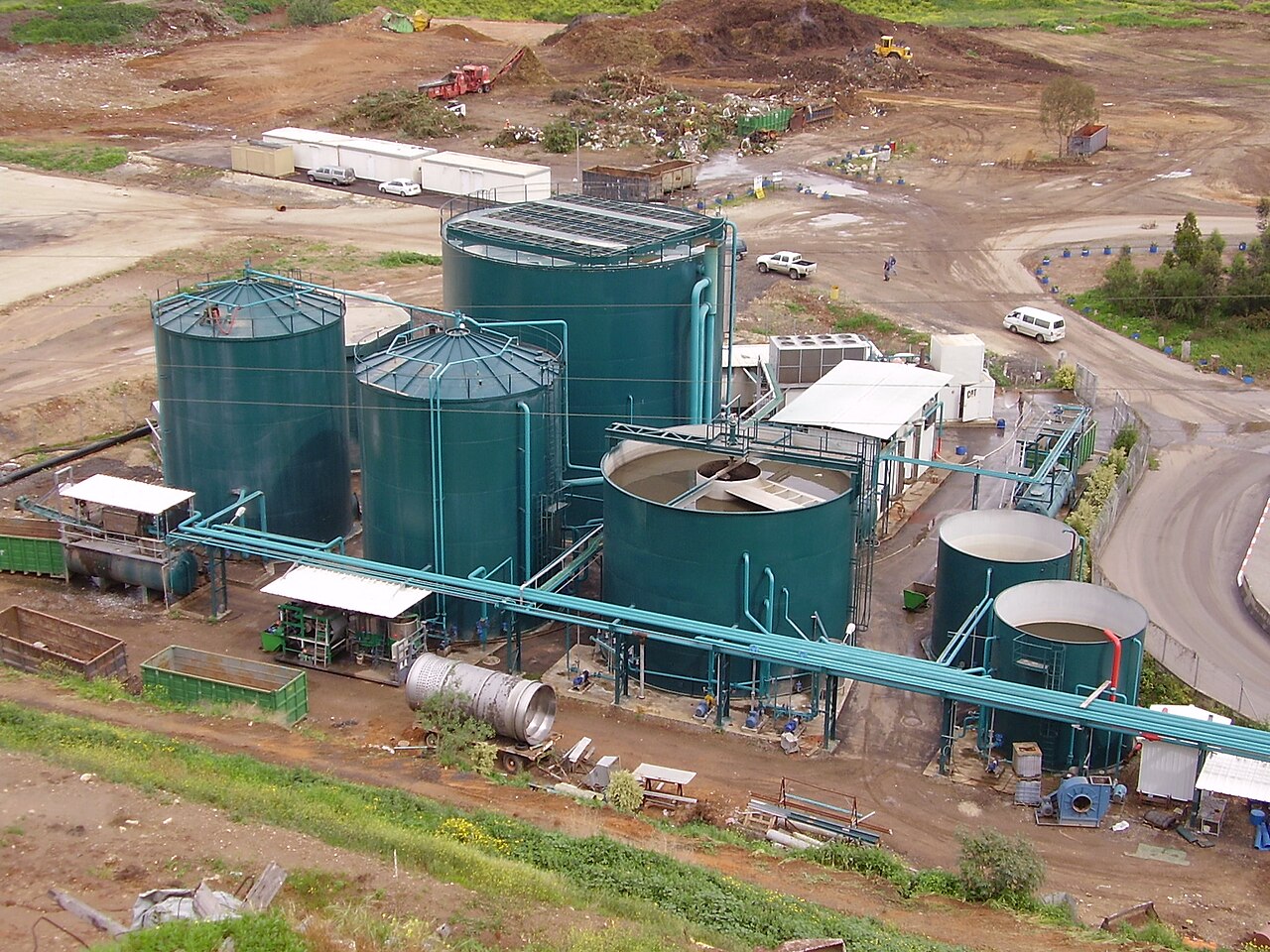
Technical works at the park combine containment, capping and gas management at the former landfill with engineered wetlands and water-management features that restore some floodplain function. Native and adapted planting is used to stabilise slopes and increase habitat value. The integrated recycling complex and visitor centre serve both practical waste-management purposes and educational aims, allowing visitors to learn about resource recovery and the lifecycle of municipal waste.
Ecology, wildlife and planting
Restored riparian habitats and wetland ponds are expected to support a range of bird species, amphibians and aquatic invertebrates typical of the eastern Mediterranean coastal plain. Planting strategies emphasise drought-tolerant and regionally appropriate species to conserve water and create continuous habitat corridors. Over time, the park is intended to increase local biodiversity and provide opportunities for urban residents to observe and learn about nature close to the city.
Recreation, education and community use
Ariel Sharon Park provides multi-use trails suitable for walking, running and cycling, open lawns for picnics and community events, viewpoints and interpretive installations describing the site’s history and environmental processes. The recycling and education facilities on-site are used for school visits and public programs that explain sustainable waste management and landscape rehabilitation. The park is planned and delivered in phases, with sections opened progressively as remediation and construction are completed.
Connections and accessibility
A core objective is to connect the park with adjacent open spaces and urban fabric: links are planned toward Menachem Begin Park (South Park), the Mikveh Israel agricultural lands and the surrounding cities of Holon, Azor and Ramat Gan. Existing cycling routes already run through parts of the site and are being extended to form continuous active-transport connections. Public transport nodes and road access points facilitate visits from across the metropolitan area.
Development status, recognition and challenges
Large urban reclamation projects such as Ariel Sharon Park progress over many years and in multiple phases. Early elements including trail segments and recycling facilities were implemented before large-scale planting and wetland creation. The project has been noted as an ambitious example of landfill rehabilitation and urban ecology in Israel; at the same time it faces typical challenges of long-term maintenance, monitoring of engineered systems and balancing public access with habitat protection.
Further information and resources
For mapping, planning documents and more detailed descriptions consult official references and municipal sources linked below. These resources provide coordinates, historical background, technical reports and up-to-date information on openings and visitor facilities.
- Park coordinates and map reference
- Municipal and park overview
- Tel Aviv metropolitan planning context
- Ayalon River floodplain information
- Ayalon River and tributaries
- Southern Tel Aviv access and facilities
- Connections to Holon, Azor and Ramat Gan
- Comparisons with other regional parks
- Cycling and trail routes
- Information on Ariel Sharon (namesake)
- Planning documents and further reading
This article summarises the park’s goals, landscape elements and significance as an urban reclamation project. For the most recent visitor information, opening dates of new sections and technical details consult the linked municipal and planning sources.
Questions and answers
Q: What are the coordinates of Ariel Sharon Park?
A: The coordinates of Ariel Sharon Park are 32°1′36.93″N 34°49′26.71″E / 32.0269250°N 34.8240861°E / 32.0269250; 34.8240861
Q: Where is Ariel Sharon Park located?
A: Ariel Sharon Park is located in the south of the Tel Aviv Metropolitan Area, around some of the floodplains of the Ayalon River and between the cities of Holon, Azor and Ramat Gan.
Q: When will Ariel Sharon Park be opened?
A: Ariel Sharon Park is planned to be opened in 2020.
Q: What rivers are connected to the park area?
A: The Azor River and Kofer River are connected to the park area.
Q: What roads run through the planned area of the park?
A: Road 1 and Road 44 run through the planned area of the park.
Q: How big will Ariel Sharon Park be compared to other parks in Israel and Middle East?
A: It will be one of largest parks in Israel and one of largest in Middle East when it opens.
Q: Are there any trails for bicycles within this park?
A: Yes, there are already trails for bicycles within this park.
Q: Who is this park named after ? A: This park is named after former Israeli Prime Minister, Ariel Sharon
Tags
Related articles
Author
AlegsaOnline.com Ariel Sharon Park (Ayalon Park) — reclaimed urban park in the Tel Aviv area Leandro Alegsa
URL: https://en.alegsaonline.com/art/5540