
Ariel Sharon
Israeli military leader and politician, prime minister (2001–2006), founder of Kadima, architect of the 2005 Gaza disengagement and a controversial figure in Israel’s modern history.
Ariel Sharon (26 February 1928 – 11 January 2014) was an Israeli general and statesman who played a central role in the country's military and political life for more than half a century. Born in the agricultural settlement of Kfar Malal during the British Mandate of Palestine, Sharon rose through the Israel Defense Forces to become a prominent field commander before entering national politics.
Image gallery
10 Images




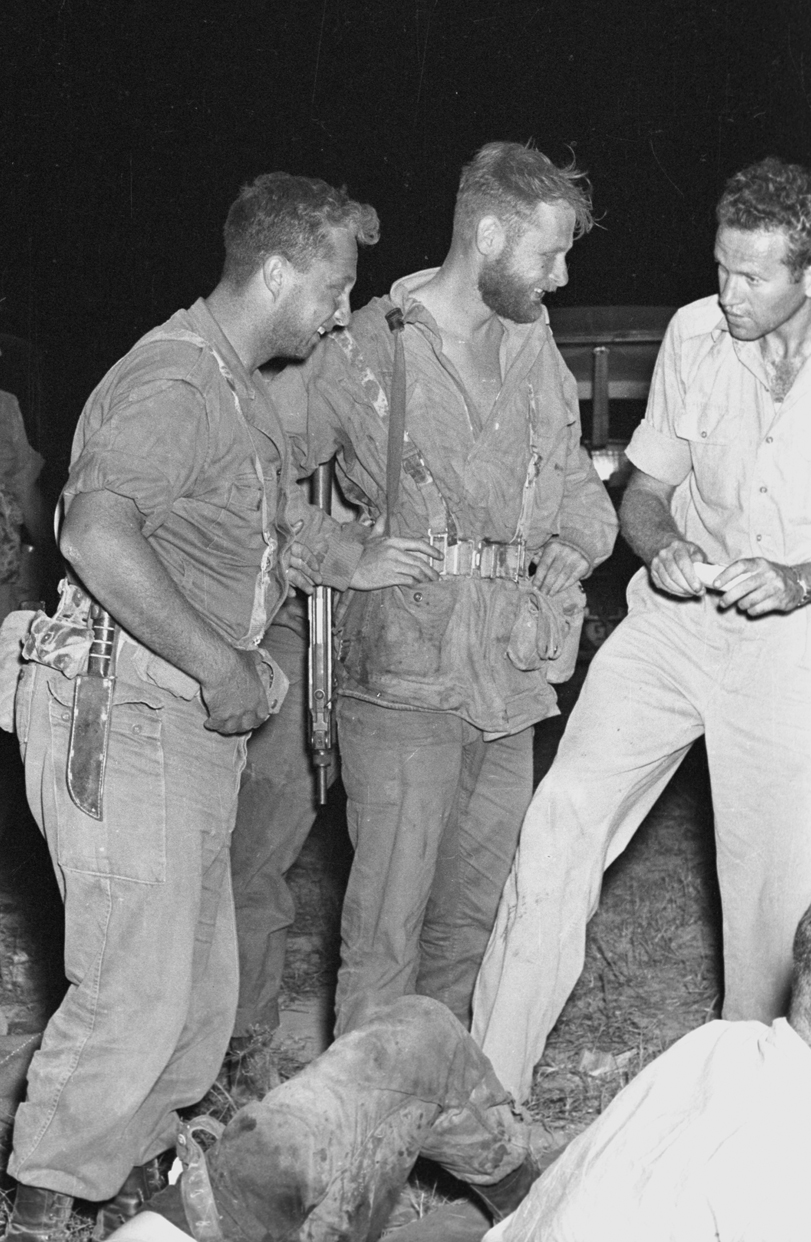
Military career and reputation
Sharon gained a reputation for aggressive, hands-on leadership in several of Israel's major wars and military operations from the 1948 war of independence through the 1970s. He was known for bold tactics and personal involvement on the battlefield, earning nicknames that reflected his forceful style. His military record helped launch his political career and shaped public perceptions of him as both effective and uncompromising.
Political career and offices
After entering the Knesset, Sharon held multiple ministerial posts and was long associated with the Likud party. He served in senior roles including Minister of Defense and other portfolios before becoming Prime Minister in 2001, a post he held until 2006. Disagreements within the political right led him to leave Likud and establish the centrist party Kadima, which he envisioned as a vehicle for pragmatic security and diplomatic policies.
Policies, initiatives and controversies
As prime minister Sharon presided over major security operations during the Second Intifada and later made the contentious decision to implement the unilateral 2005 disengagement from the Gaza Strip, withdrawing settlements and Israeli military presence. His career was marked by controversy as well: a government inquiry found him indirectly responsible for allowing the 1982 massacres in Lebanese refugee camps, a finding that ended his tenure as defense minister and remains a defining episode in assessments of his legacy.
Later years and legacy
In January 2006 Sharon suffered a severe stroke and lapse into a coma that lasted until his death in 2014. He left behind a complex legacy: credited by supporters with political pragmatism and decisive leadership, criticized by opponents for settlement policies and wartime decisions. Scholars and the public continue to debate his impact on Israel's security, diplomacy and society.
Notable facts
- Prime Minister of Israel from 2001 to 2006 (Prime Minister).
- Founder of the centrist party Kadima after leaving Likud.
- Longtime figure in Israeli military and political life with a polarizing public image in Israel.
Related articles
Author
AlegsaOnline.com Ariel Sharon Leandro Alegsa
URL: https://en.alegsaonline.com/art/114520
Sources
- foxnews.com : "Scientists say comatose former Israeli leader Ariel Sharon shows 'robust' brain activity"
- haaretz.com : "Israel mourns Sharon's passing; Netanyahu: He was a 'brave warrior'"
- reuters.com : "Former Israeli prime minister Ariel Sharon dead at 85"
- haaretz.com : "Obama: U.S. joins Israeli people in honoring Sharon's commitment to his country"
- jpost.com : "Former prime minister Ariel Sharon dies at 85"
- aljazeera.com : "Israel's Ariel Sharon dies at 85"
- aljazeera.com : "Thousands pay last respects to Ariel Sharon"