
Ramat Gan — Israeli city east of Tel Aviv, Diamond Exchange and urban park hub
Ramat Gan is a city in Israel's Tel Aviv District, known for its Diamond Exchange, major parks, universities and high-tech industry. Founded as a moshava in 1921, it is part of the greater Tel Aviv metropolitan area.

Overview
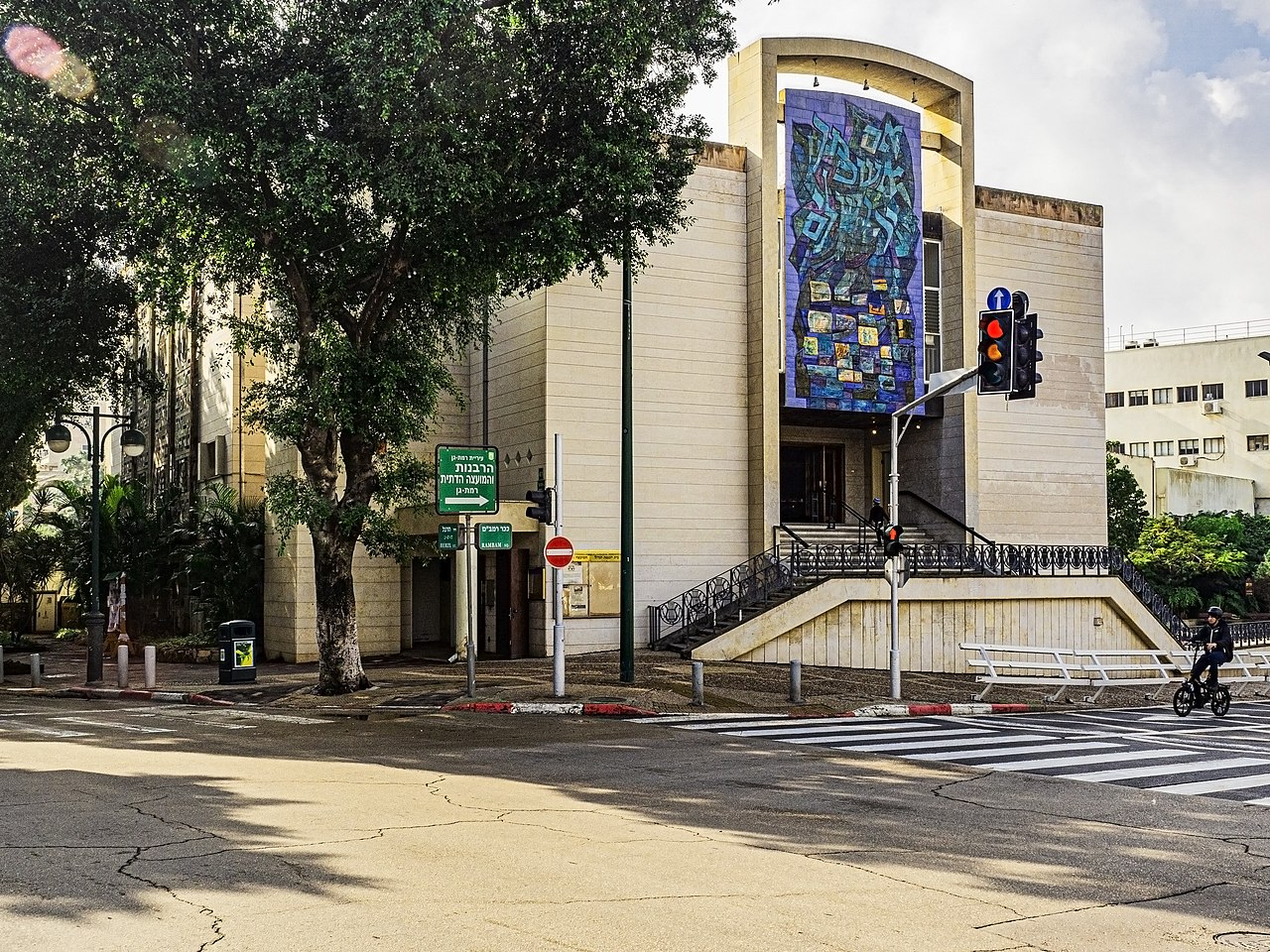
Ramat Gan (רָמַת גַּן; Arabic: رَمَات چَان) is a city in the Tel Aviv District of Israel, located immediately east of central Tel Aviv. It functions both as a residential suburb and as a business and cultural center within the larger Tel Aviv metropolitan area. The city hosts a mix of commercial skyscrapers, older neighborhoods, and significant green space.
Image gallery
10 Images





Origins and development
Established in 1921 as a moshava, a form of agricultural settlement common in pre-state Palestine, Ramat Gan gradually transformed from farmland into an urban municipality over the twentieth century. Population growth and economic changes prompted expansion of housing, roads and public services; by the mid-2010s the city was home to more than 150,000 residents, reflecting steady suburbanization and municipal consolidation.
Economy and landmarks
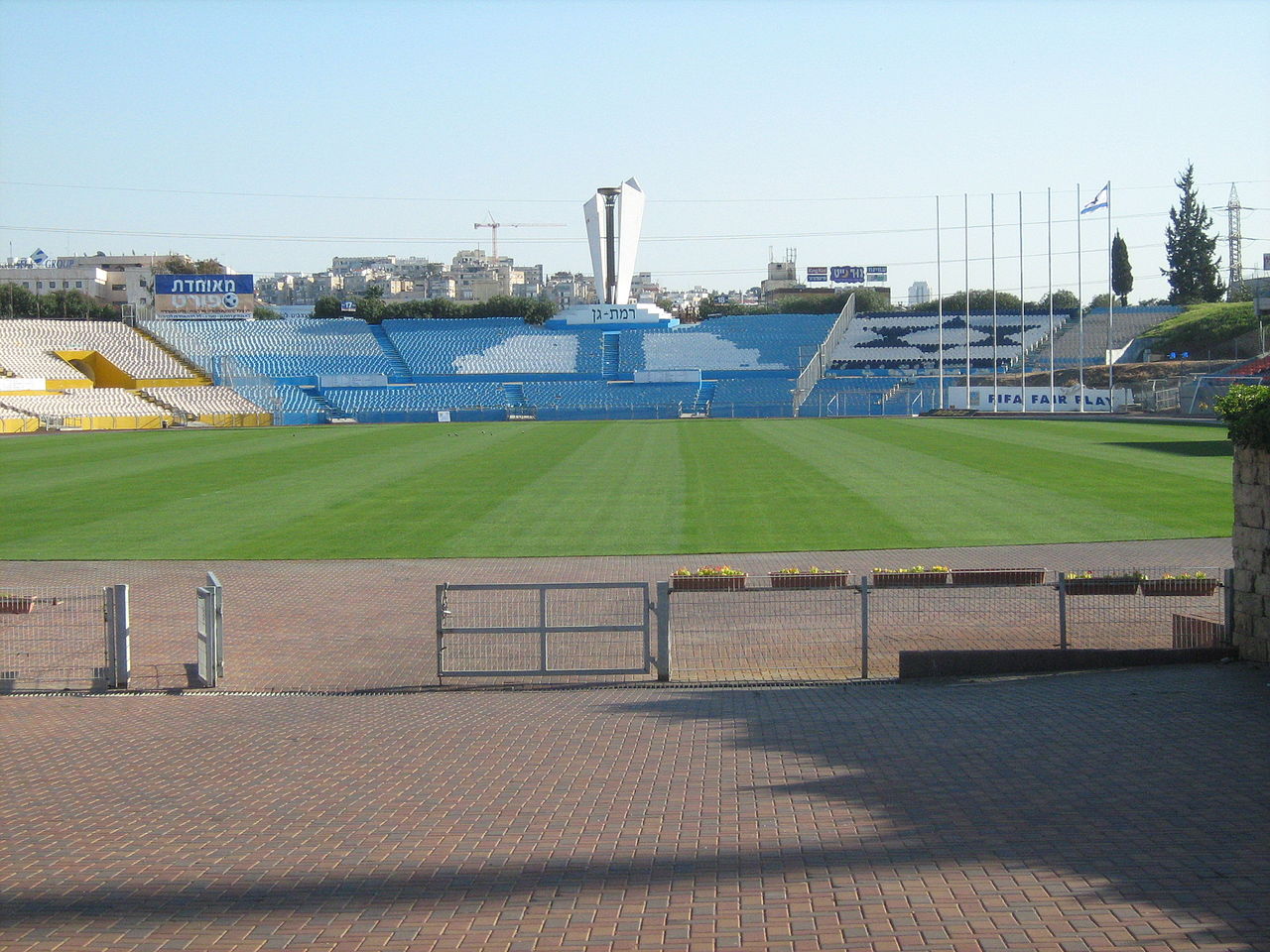
The city's economy is anchored by several distinctive institutions. The Ramat Gan Diamond Exchange District is one of the most important centers for the international diamond trade and includes large office towers and trading halls. Adjacent commercial and high-tech enterprises have also made the city a regional employment hub. Notable landmarks and institutions include:
- Ramat Gan National Park, one of the largest urban parks in the area.
- The national stadium complex, historically used for major sporting events.
- University and educational campuses that serve students from across the region.
Urban life and transport
Residents benefit from a combination of green spaces, neighborhood commerce and access to the wider metropolitan transport network. Roads, bus lines and nearby rail links connect Ramat Gan with Tel Aviv and neighboring cities, supporting daily commuting and regional business travel. The city contains cultural centers, community institutions and local markets that reflect its diverse urban character.
Distinctive facts
Ramat Gan is often noted for the contrast between its busy commercial district—dominated by the diamond exchange and office towers—and its extensive parkland and residential quarters. Its development from a 1920s agricultural settlement into a modern city illustrates broader patterns of urban growth in the Tel Aviv area. Visitors and researchers frequently highlight the city's economic role in gem trading and its position within the densely populated Gush Dan conurbation.
For further information about local history, economy and civic services, municipal and regional resources can provide up-to-date details and contacts.
Related articles
Author
AlegsaOnline.com Ramat Gan — Israeli city east of Tel Aviv, Diamond Exchange and urban park hub Leandro Alegsa
URL: https://en.alegsaonline.com/art/81016
Sources
- crwflags.com : "Ramat Gan (Israel)"