
Artificial island (man-made island)
Artificial islands are human-built landmasses created by reclamation, piling or floating systems. This article summarizes types, construction methods, uses, history, and environmental and legal issues.
An artificial island is land created by people rather than by natural geological or biological processes. They range from small platforms for local uses to extensive reclaimed districts that host housing, industry or transport hubs. Artificial islands are created where natural land is scarce, costly or unsuitable for a particular use.
Image gallery
10 Images
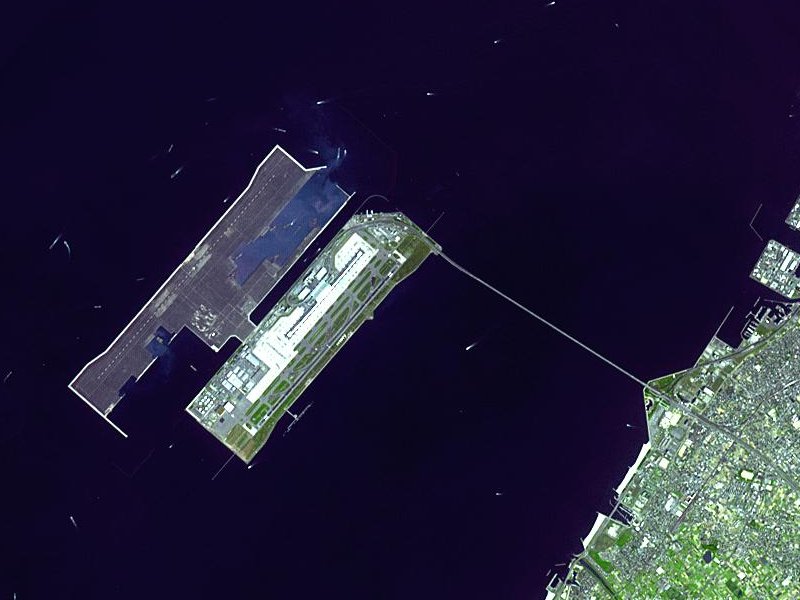


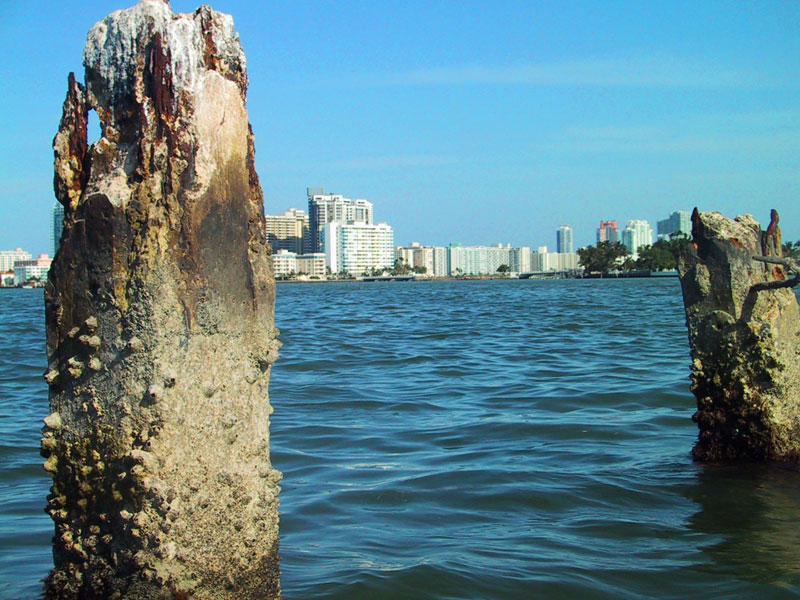


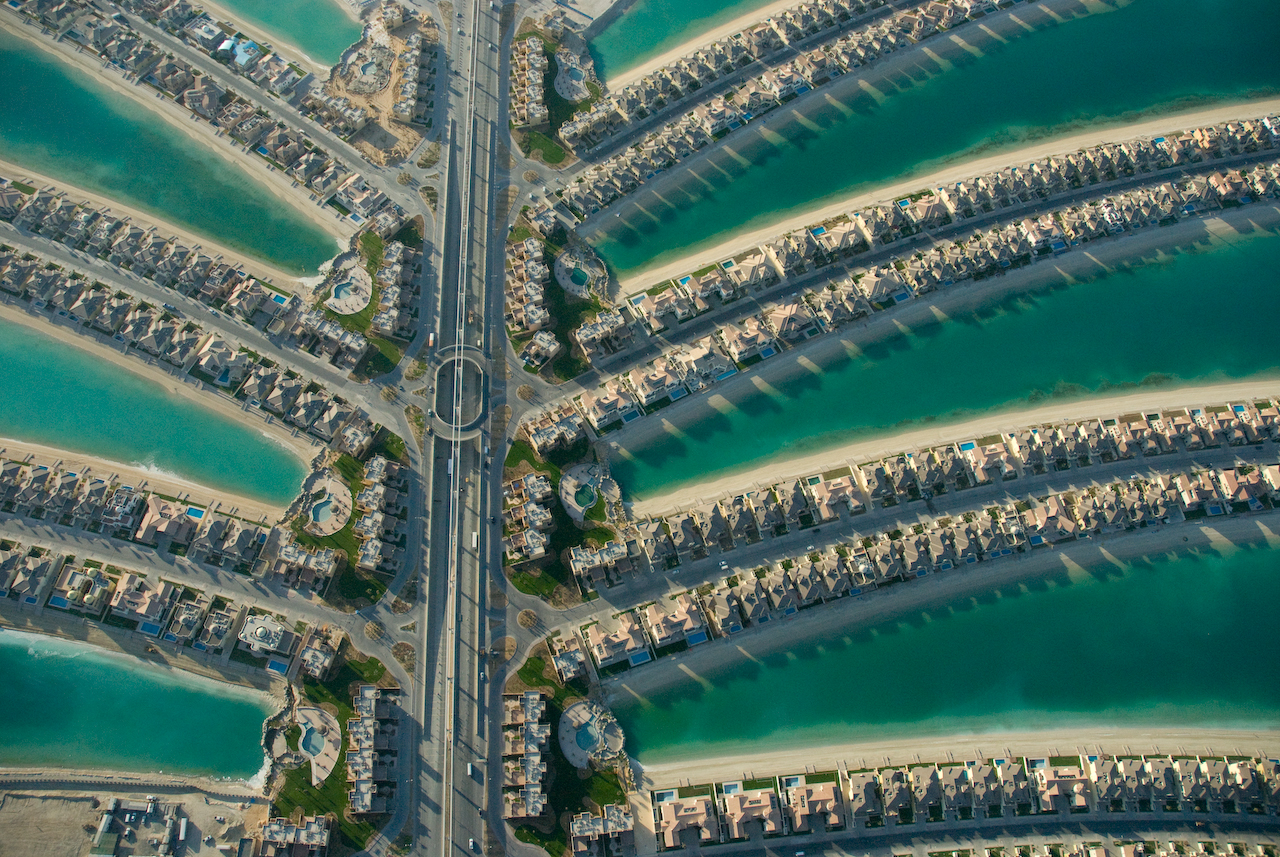
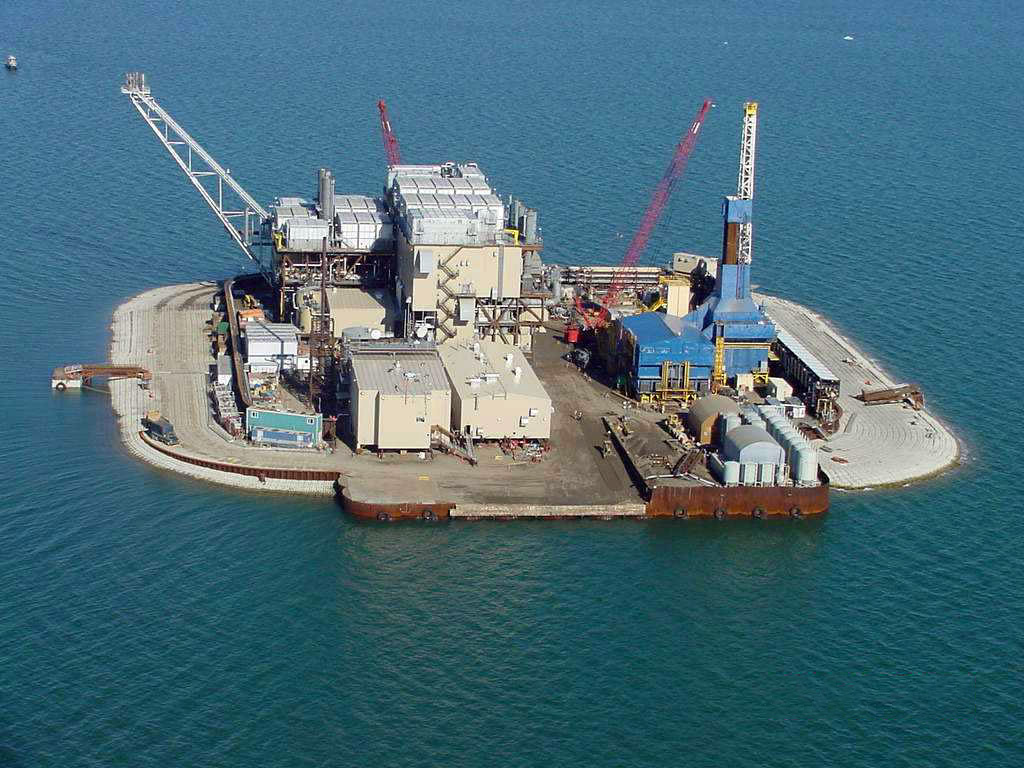
Construction methods
Common techniques include reclamation by infilling — depositing sand, rock or engineered fill into shallow water — and building piled or framed platforms supported on deep foundations. Other approaches use caissons or cellular structures to retain fill, and modular floating systems made of pontoons or concrete are used where seabed conditions prevent standard foundations. Choice of method depends on water depth, seabed geology and exposure to waves and currents.
Materials and engineering challenges
Typical materials are dredged sand, crushed rock and engineered aggregates, often contained by retaining walls or revetments. Major engineering concerns are consolidation and settlement of the fill, scour around foundations, long-term stability under wave action, and protection against erosion and inundation.
Uses and examples
- Transport: airports, ferry terminals and marshalling yards built offshore to avoid land constraints.
- Urban expansion: residential, commercial and leisure developments on reclaimed land.
- Industrial and port facilities where deep-water access is needed.
- Environmental uses: constructed wetlands, nesting sites and managed habitats.
History, impacts and governance
Human-made islets have ancient precedents, but large-scale reclamation became widespread with modern dredging and earthmoving. Artificial islands alter habitats and hydrodynamics, potentially affecting fisheries, water quality and coastal erosion. Mitigation can include habitat offsetting, careful design and monitoring. Legally, artificial islands raise questions about jurisdiction and maritime rights; many legal regimes distinguish them from natural islands for purposes such as territorial seas and exclusive economic zones.
Design and deployment require balancing engineering objectives with environmental stewardship, community needs and regulatory clarity to ensure sustainable outcomes.
Tags
Related articles
Author
AlegsaOnline.com Artificial island (man-made island) Leandro Alegsa
URL: https://en.alegsaonline.com/art/6349
Sources
- books.google.com : "Deshima (Dejima)"
- books.google.com : "Kansai International Airport"
- luxhabitat.ae : Palm Jumeirah
- un.org : UNCLOS and Agreement on Part XI - Preamble and frame index
- simple.wiktionary.org : acronym