
Gush Dan: Israel's Tel Aviv Metropolitan Region
Gush Dan is Israel’s largest metropolitan area, centered on Tel Aviv and including adjacent cities. This article summarizes its composition, history, economy, transport, governance and cultural significance.
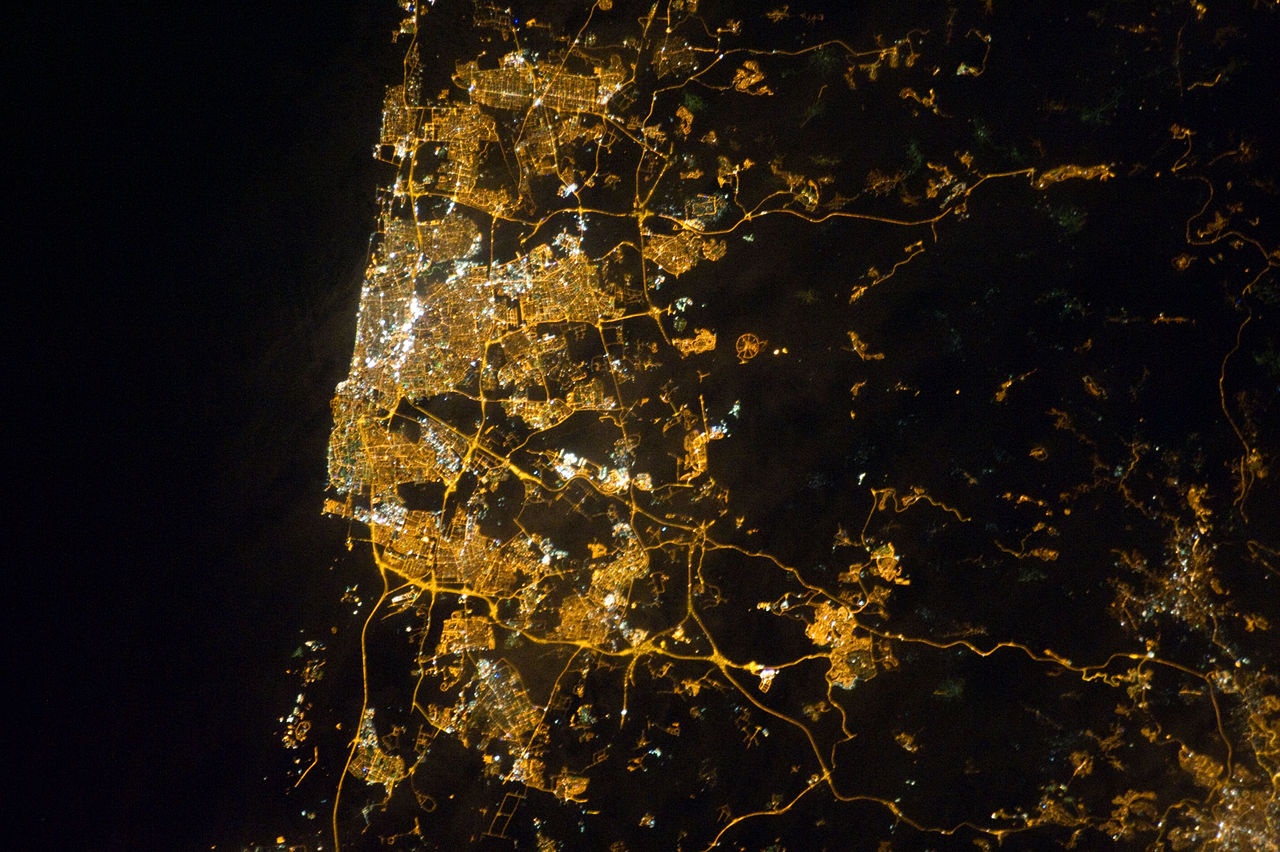
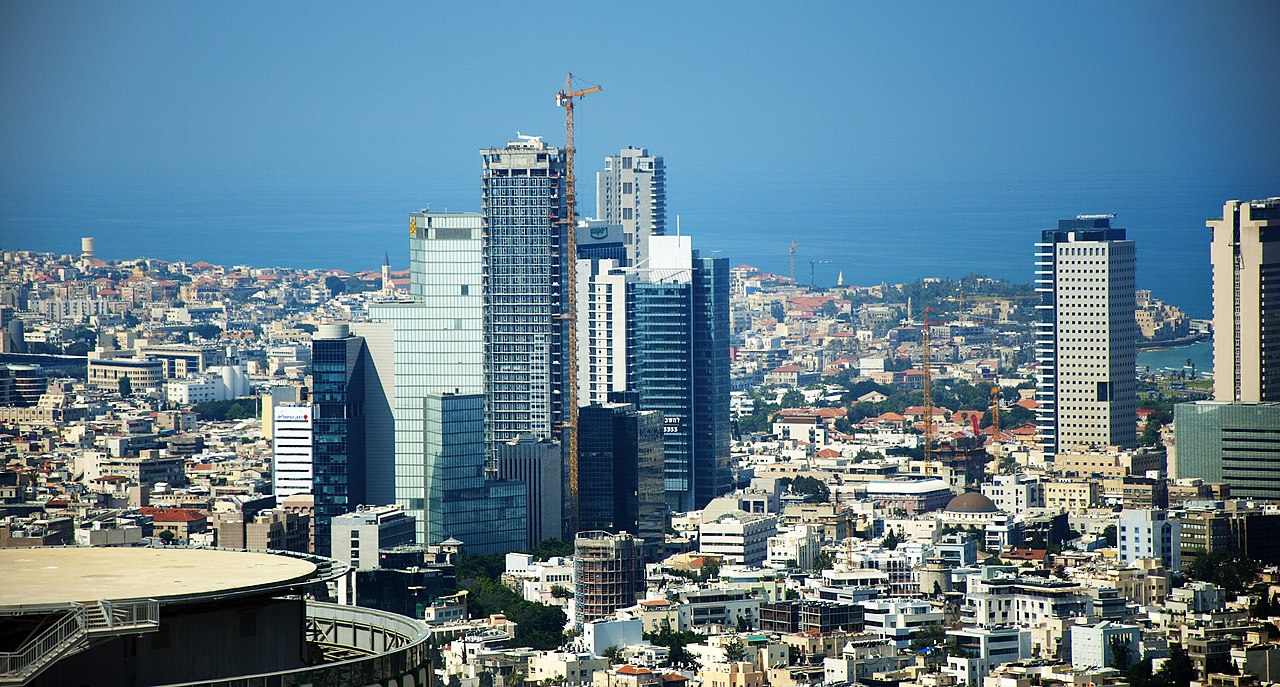
Gush Dan (Hebrew: גּוּשׁ דָּן; Arabic: غوش دان) is the commonly used name for the metropolitan area centered on Tel Aviv on Israel’s central Mediterranean coast. Located in Israel, Gush Dan is the country’s principal economic and cultural concentration and its largest contiguous urban region.
Image gallery
10 Images




Composition and boundaries
Gush Dan is a polycentric urban agglomeration rather than a single municipal entity. Definitions vary by source and purpose, but the continuous built-up area typically includes a cluster of municipalities and suburbs. Commonly included cities and towns are:
- Tel Aviv (core business, cultural and transport hub)
- Ramat Gan (commercial districts and institutions)
- Herzliya
- Bat Yam
- Ashdod (important port city often linked economically)
- Rishon LeZion
- Petah Tikva
- Holon
- Netanya
- Bnei Brak
Origins and historical development
The modern Gush Dan area expanded greatly during the 20th century as Tel Aviv grew beyond its original shoreline and neighboring towns developed industrial, residential and commercial suburbs. Migration, economic development and infrastructure investments produced a largely continuous urban corridor. Different planning agencies and academic studies use varying boundaries when measuring population, employment and commuting patterns.
Economy, population and role
Gush Dan concentrates a high proportion of the nation’s finance, technology, manufacturing and service industries. Many corporate headquarters, research centers, universities and major hospitals are located within the region. While exact population totals depend on the definition used, the area hosts several million residents across dense city centers and suburban neighborhoods, forming Israel’s primary labor and consumer market.
Transport and infrastructure
The metropolitan area is served by an integrated network of highways, intercity and suburban rail lines, bus services and ports. Major infrastructure projects in recent decades have aimed to expand rail capacity, introduce light rail and rapid transit in urban corridors, and improve connections to Ben Gurion and regional airports. Transport planning is framed by municipal, regional and national authorities working to reduce congestion and increase public-transit use.
Governance, planning and challenges
Because Gush Dan spans many independent municipalities, governance and regional planning are fragmented. Joint planning committees and inter-municipal agreements are used for shared issues such as transportation, environmental protection and housing. Key challenges include housing affordability, traffic congestion, air quality, coastal management and equitable provision of services across diverse neighborhoods.
Cultural significance
The region is culturally diverse, combining secular urban neighborhoods, religious communities and immigrant populations. Tel Aviv provides a prominent international profile for arts, nightlife, beaches and festivals, while adjoining towns contribute industrial heritage, local markets and suburban culture. This diversity produces a rich social and economic fabric with both cosmopolitan and local dimensions.
Readers seeking detailed maps, demographic studies or official plans can consult municipal websites and regional planning documents for authoritative definitions and up-to-date project descriptions. For summary overviews and statistical definitions see the linked metropolitan references above.
Related articles
Author
AlegsaOnline.com Gush Dan: Israel's Tel Aviv Metropolitan Region Leandro Alegsa
URL: https://en.alegsaonline.com/art/41508
Sources
- www1.cbs.gov.il : "לוח 3.- אוכלוסייה( 1), ביישובים שמנו מעל 2,000 תושבים( 2) ושאר אוכלוסייה כפרית POPULATION(1) OF LOCALITIES NUMBERING ABOVE 2,000 RESIDENTS(2) AND OTHER RURAL POPULATION"