
Lancelot: Knight of the Round Table and Arthurian Champion
Lancelot, often called Lancelot du Lac, is a central knight of Arthurian legend—famed for prowess, the affair with Guinevere, ties to the Lady of the Lake, and his role in Grail narratives and medieval romance.
Overview
Sir Lancelot is one of the best-known figures in the body of stories commonly called Arthurian legend. Presented as a model knight in many medieval romances, he is famous for exceptional skill in arms, deep loyalty to King Arthur, and a tragic love for Queen Guinevere. Many later versions identify him as Lancelot du Lac, signifying a connection with the Lady of the Lake who, in some accounts, fosters or raises him. His name appears in numerous cycles of narrative poetry and prose, where his adventures range from chivalric duels to quests with spiritual overtones.
Image gallery
10 Images
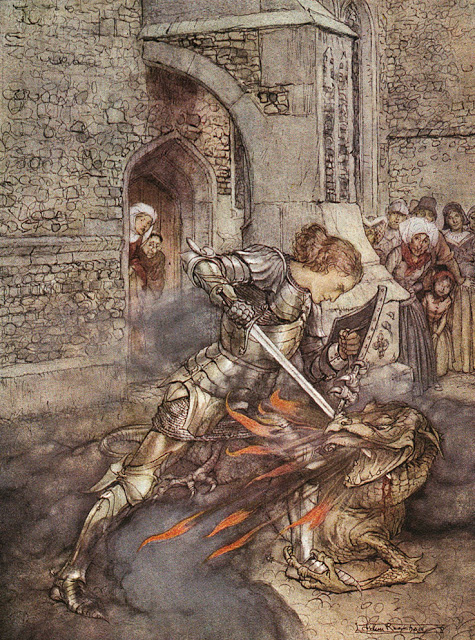


Origins and literary sources
Lancelot first appears as a central figure in the twelfth-century poem by Chrétien de Troyes, which helped establish his romantic and knightly identity. Subsequent prose cycles, especially the Vulgate or "Prose Lancelot," expanded his biography into a vast sequence of episodes. These medieval compilations and later retellings, such as Thomas Malory's collection, present variations that sometimes contradict one another. Modern readers therefore encounter multiple versions of key events, motives, and outcomes in the life of Lancelot.
Character, abilities, and roles
Renowned for martial prowess, Lancelot is often pictured as the greatest fighting-man among Arthur's companions. He is associated with the Round Table and counted among the king's most trusted knights (trusted knight or champion). In tournament and combat scenes he is sometimes the only knight to best King Arthur himself — an episode that highlights both his superiority and the tensions it can produce. Lancelot’s temperament blends courage with complexity: his strength as a warrior is offset by inner conflict when love and duty collide.
Major relationships and narrative consequences
Lancelot's best-known relationship is his forbidden passion for Queen Guinevere. The affair, treated as a profound and destructive love in many tales, ultimately fractures his friendship with Arthur and destabilizes the court. Lancelot is also linked with Elaine, who in several versions bears him a son, Sir Galahad. Galahad is celebrated as the pure knight who attains the Holy Grail in traditions where Lancelot, burdened by sin, cannot complete that spiritual quest himself. These intertwined relationships drive much of the emotional drama in Arthurian narratives.
Notable episodes and distinctions
- Early romances feature Lancelot in rescue and chivalric-adventure episodes that showcase courtesy and bravery.
- Some texts portray him as the only knight capable of defeating Arthur in a jousting or single-combat contest, a motif emphasizing his exceptional skill.
- Different traditions vary on his birth and upbringing: some name the Lady of the Lake as foster-mother, hence the epithet "du Lac."
- Lancelot's moral complexity — celebrated warrior yet flawed lover — makes him a focal point for debates about courtly love and knightly virtue in medieval culture.
Legacy and cultural importance
Lancelot remains a central archetype in Western literature: a heroic figure whose greatness is shadowed by personal failure. His stories influenced medieval ideas about chivalry, courtesy, and the tensions between earthly love and spiritual aspiration. Across poems, prose romances, and modern retellings, Lancelot endures as both an exemplar of martial excellence and a tragic participant in the collapse of Arthur's idealized court.
For further reading on different episodes and textual traditions consult collections and commentaries that discuss the Prose Lancelot and related cycles; these offer the most detail about how his life, deeds, and relationships are variously told in medieval sources and later adaptations (King Arthur, Arthurian legend). Additional discussions of the Grail narratives and knightly contests appear in many overviews of medieval romance and chivalric literature.
Sources and modern introductions to the material can be found in academic editions and translations that assemble Chrétien de Troyes' romances, the Vulgate and Post-Vulgate cycles, and later compilations. These help trace how Lancelot's portrayal evolved from a courtly hero into a layered symbol of both virtue and human frailty.
Related articles
Author
AlegsaOnline.com Lancelot: Knight of the Round Table and Arthurian Champion Leandro Alegsa
URL: https://en.alegsaonline.com/art/55766