
Labyrinth: myth, design, and cultural significance
An overview of the labyrinth concept — its origin in Greek myth, archaeological associations with Knossos, distinctions from mazes, historical mentions, symbolism, and modern uses.
The labyrinth is best known from ancient Greek myth as the tangled, confining structure built by the craftsman Daedalus for King Minos at the palace of Knossos. In the legend it served to contain the hybrid creature called the Minotaur, and the hero Theseus later entered the structure to kill the beast and escape. That myth has shaped the popular image of labyrinths as elaborate, inescapable constructions.
Image gallery
8 Images


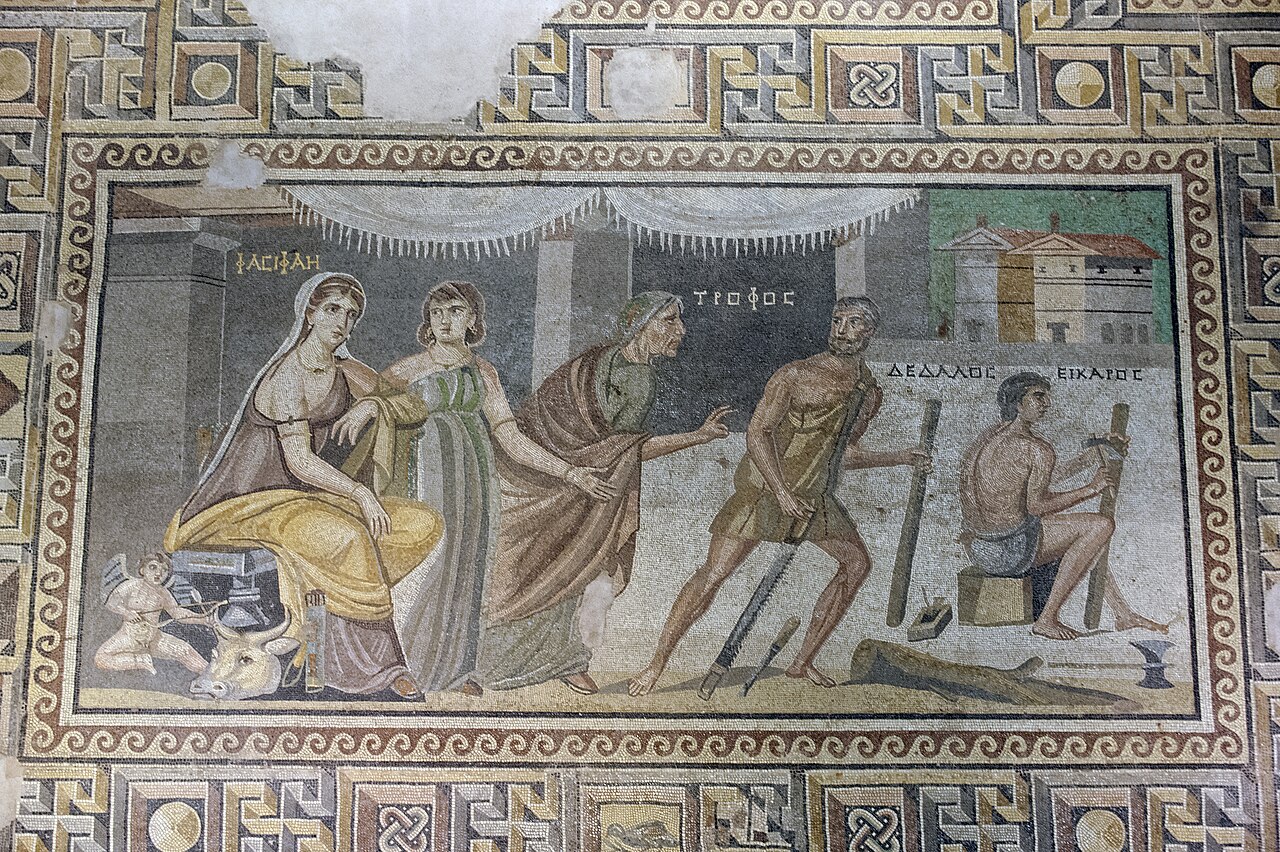


Origins and archaeological context
Scholars treat the Cretan story as a mix of myth and memory. The palace complex at Knossos, a Bronze Age administrative center, had a dense, multi-room plan that may have inspired tales of a maze-like building. Archaeologists caution that the archaeological remains do not prove a single, purpose-built labyrinth equal to the legendary one, but the idea persisted in later literary and artistic accounts.
Structure, types, and symbolism
In practice the term "labyrinth" covers several notions: a unicursal pattern with a single winding path to the center (used in ritual and meditative contexts), and the more complex multicursal maze with choices and dead ends. Labyrinths have been interpreted as symbols of initiation, the soul's journey, or a ritual stage for ceremonies. Their form—concentric circuits or interlaced corridors—affects how they were used and understood.
Historical mentions and variants
Ancient authors referred to multiple labyrinths beyond Crete. For example, the Roman writer Pliny mentioned Cretan, Egyptian, Lemnian, and Italian labyrinths in his Natural History. Other classical sources and later medieval accounts preserved and adapted the motif, so that the idea of a "labyrinth" appears in diverse cultural contexts across the Mediterranean and Europe.
Uses, examples, and modern relevance
Labyrinth designs appear in art, church floors, garden plans, and contemporary installations. Unlike mazes built for puzzle entertainment, many historical labyrinths were intended for contemplation, procession, or symbolic passage. Today they are used in therapeutic and spiritual settings, public parks, and educational projects, illustrating continuity between ancient imagery and modern practice.
Key points and notable examples
- Mythic origin: Associated with Daedalus, Minos, Knossos, and the Minotaur.
- Design distinction: Unicursal labyrinths versus multicursal mazes.
- Historical references: Classical writers such as Pliny note multiple labyrinths.
- Modern legacy: Labyrinths survive as symbolic and recreational forms.
Related articles
Author
AlegsaOnline.com Labyrinth: myth, design, and cultural significance Leandro Alegsa
URL: https://en.alegsaonline.com/art/55244