
Kragujevac: Central Serbian city — history, industry and culture
Kragujevac is a city in central Serbia, historic former capital and regional centre of Šumadija, known for its 19th‑century role in Serbian statehood and for automotive and arms industry.
Overview
Kragujevac is a city located in the heart of Serbia. It functions as the administrative centre of the Šumadija district and is commonly regarded as the main urban hub of the Šumadija region. According to the 2011 national census, the city itself had roughly 150,835 residents and a wider urban area of about 179,417 people. The name is traditionally linked to a local bird of prey, the kraguj, which appears in linguistic accounts of the toponym.
Image gallery
10 Images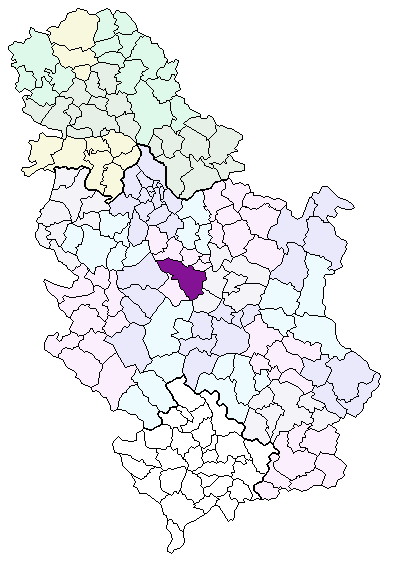





Geography and character
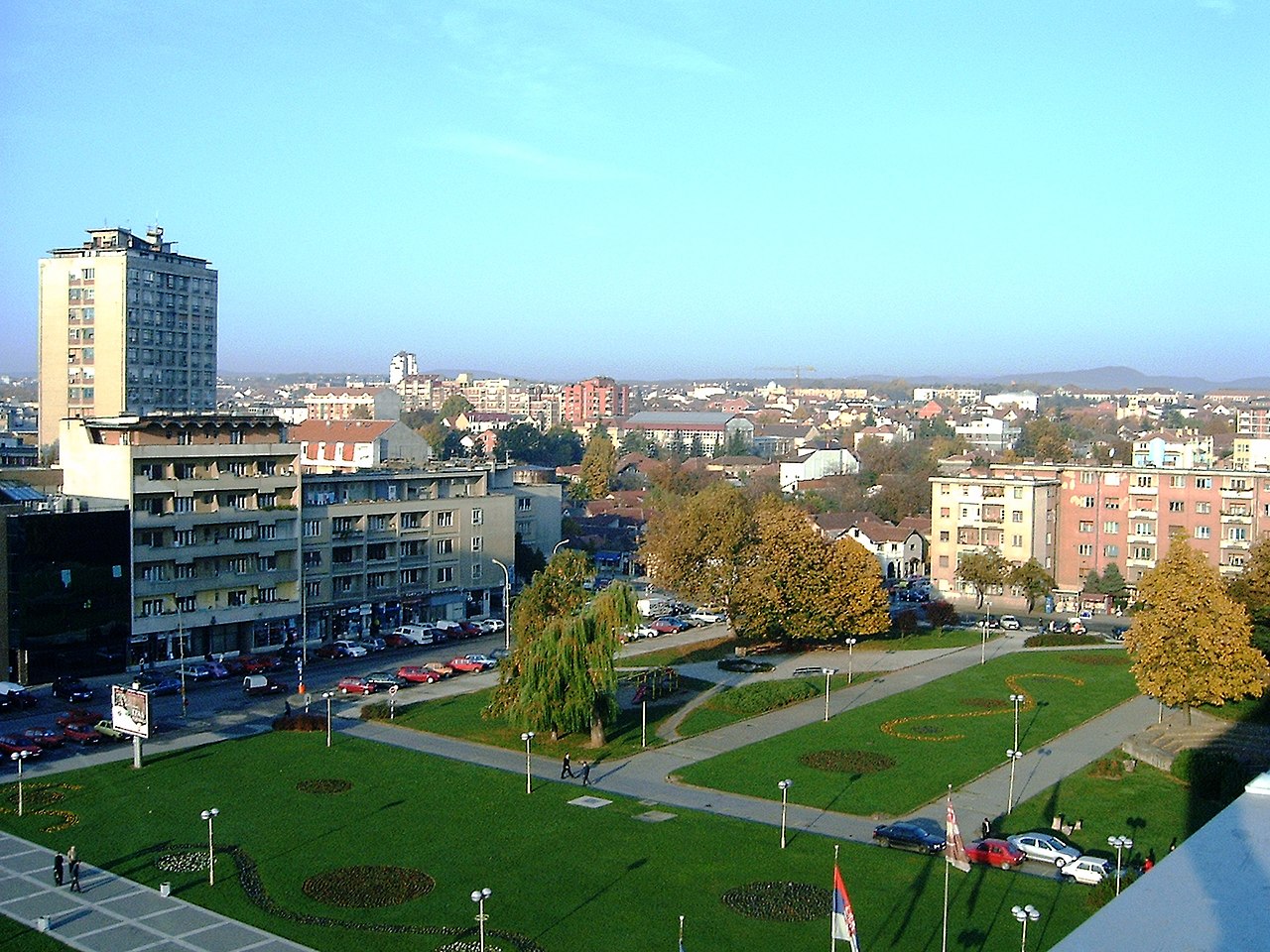
The city lies within a rolling, fertile landscape that has supported both agriculture and industry. It combines municipal neighbourhoods, parks and cultural institutions with industrial zones. Kragujevac's location in central Serbia makes it a regional crossroads, connecting smaller towns and rural areas of the interior with larger national routes.
History and political significance
Kragujevac holds an important place in modern Serbian history. In the early 19th century it served as the seat of government for the emerging Serbian state and as a centre for administrative reforms. The city is closely associated with the Sretenje Constitution, proclaimed on 15 February 1835, often cited as an early constitutional document in the Balkans (Sretenje Constitution). In the mid‑19th century the capital functions gradually shifted to Belgrade (Belgrade), but Kragujevac retained symbolic and practical importance as an administrative and cultural centre.
Economy and industry
Industry has long shaped Kragujevac's economy. From the 19th century onward it developed manufacturing capabilities, particularly in arms and later in vehicle production. The city became synonymous with national industrial brands and continues to host significant manufacturing activity. In recent decades this has included passenger car production and related supply industries through cooperation with international partners in the automobile sector.
Culture, education and notable sites
Kragujevac supports a variety of cultural institutions: museums, theatres, memorial sites and a university that anchors higher education and research. The National Museum and several memorial parks document both local cultural heritage and the city’s more difficult historical episodes. Public festivals, galleries and performing arts venues contribute to active civic life, while parks and tree‑lined avenues reflect the city's Šumadija setting (Šumadija).
Notable facts
- Historical role: early 19th‑century political centre and site of a notable constitution.
- Industrial legacy: longstanding weapons and automobile manufacturing traditions.
- Regional importance: administrative and cultural hub of Šumadija.
Today Kragujevac blends its historical legacy with contemporary economic and educational functions, remaining a significant city in central Serbia for residents and visitors alike.
Related articles
Author
AlegsaOnline.com Kragujevac: Central Serbian city — history, industry and culture Leandro Alegsa
URL: https://en.alegsaonline.com/art/54403
Sources
- media.popis2011.stat.rs : "Human resources"
- eparhija-sumadijska.org.rs : "Istorija sabornog hrama u Kragujevcu"
- hidmet.gov.rs : "Monthly and annual means, maximum and minimum values of meteorological elements for the period 1981 - 2010"