
Krāslava — town in Latgale, eastern Latvia
Krāslava is a historic town in the Latgale region of eastern Latvia, granted town rights in 1923. It is a local administrative, cultural, and historical centre with diverse architectural and cultural influences.
Overview
Krāslava is a town in the Latgale region of eastern Latvia. It received formal town rights in 1923 and since then has functioned as an administrative and local service centre for the surrounding countryside. The town is often referenced by its Latvian name Krāslava and appears in older sources under alternate spellings used in regional languages.
Image gallery
8 Images
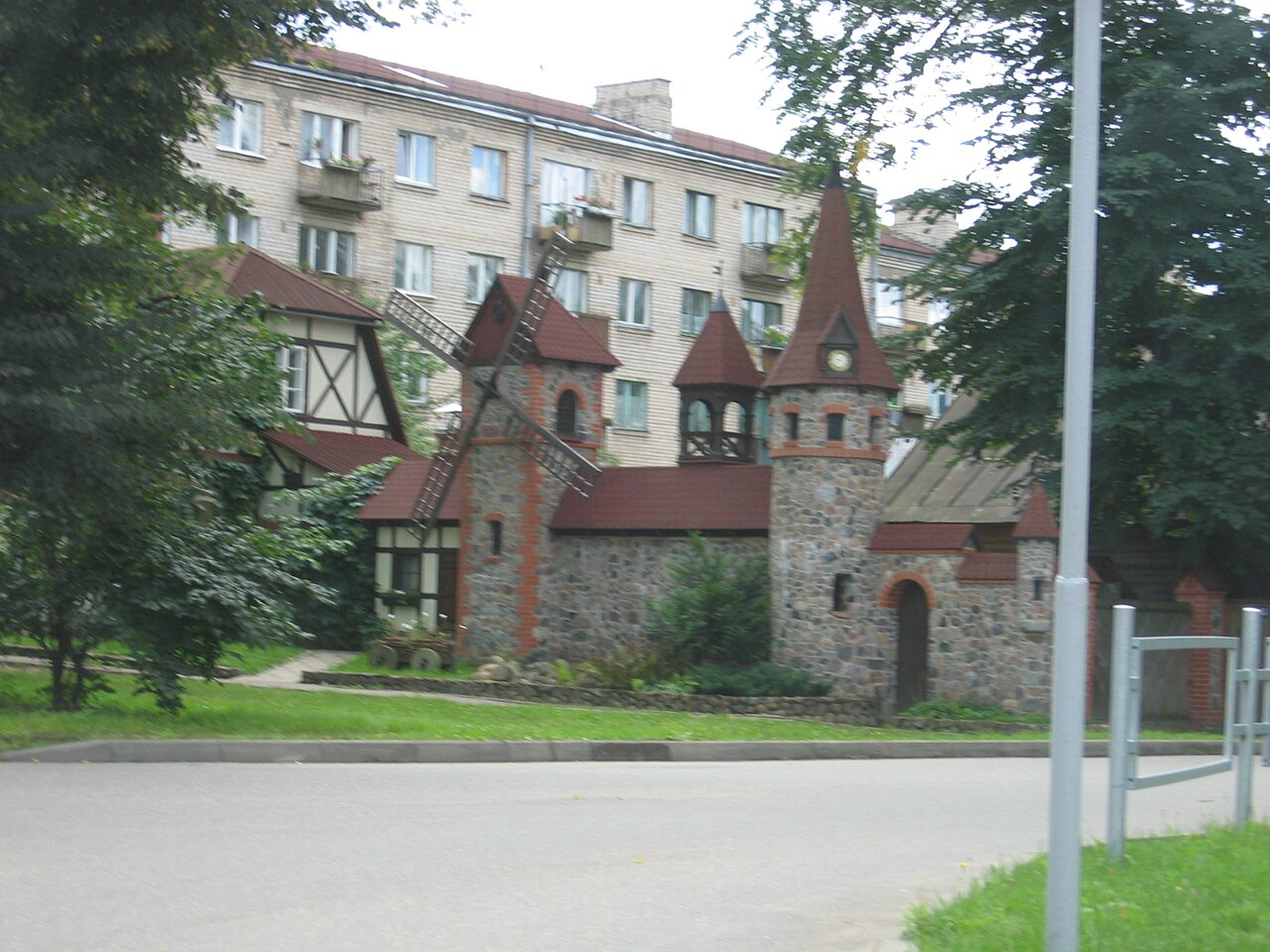


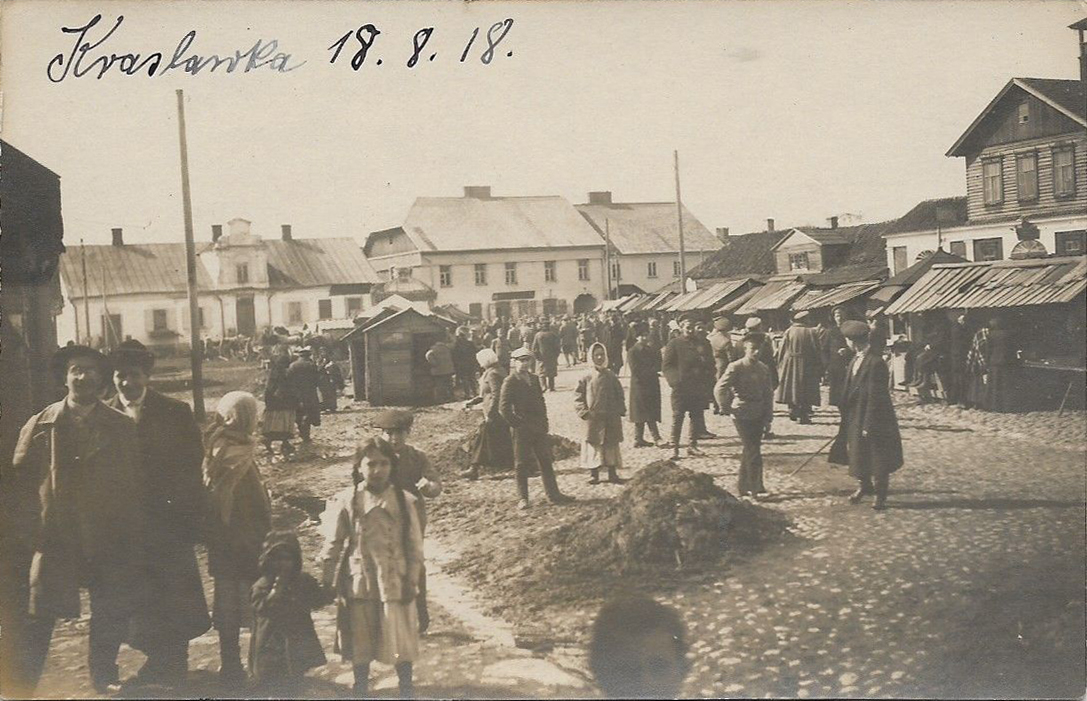


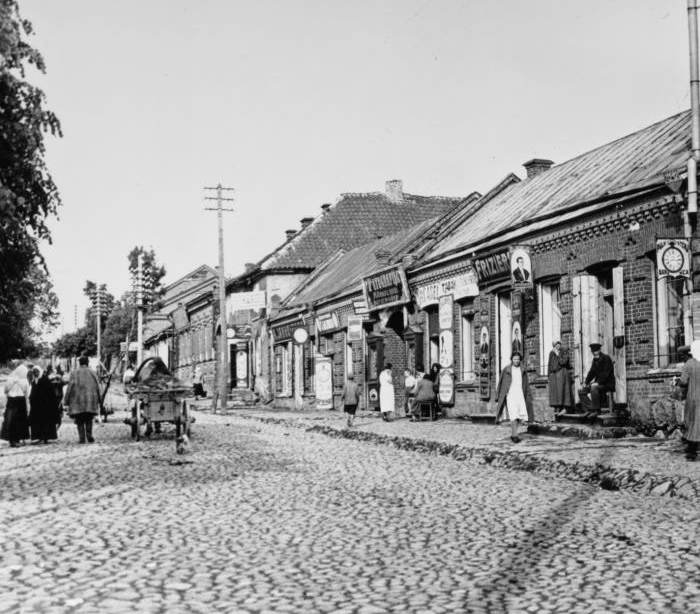
Characteristics and setting
The town combines civic buildings, residential neighbourhoods and green spaces. Its location in Latgale gives it a landscape shaped by rivers and lakes and a cultural setting where Latvian, Russian, Polish and other local traditions meet. This multicultural background is reflected in local architecture, religious buildings and community life.
History and development
Krāslava's area has a long history of settlement and evolved under the shifting political influences that have affected eastern Latvia, including periods within the Polish–Lithuanian sphere and later the Russian Empire. Over time the settlement grew around estates and trading nodes and developed civic institutions that culminated in the award of town rights in the early 20th century.
Culture, landmarks and economy
The town preserves a mix of historical buildings and later public infrastructure. Local cultural life includes museums, churches and community events that highlight Latgalian traditions. Economically, Krāslava functions as a local hub offering services, small-scale manufacturing, agriculture-related trade and tourism tied to its historical sites and natural surroundings.
Notable facts and distinctions
- Krāslava reflects Latgale’s multicultural heritage with influences from several regional languages and faiths.
- The town serves as a focal point for municipal administration and regional services.
- Visitors often explore local architectural landmarks, museums and nearby natural areas.
For further official or practical information about the town and municipal services, see Krāslava information.
Related articles
Author
AlegsaOnline.com Krāslava — town in Latgale, eastern Latvia Leandro Alegsa
URL: https://en.alegsaonline.com/art/54416
Sources
- data.csb.gov.lv : Central Bureau of Statistics