
Lama (Tibetan Buddhist teacher)
Lama — a Tibetan term for a spiritual teacher or guide in Tibetan Buddhism. Covers meaning, roles, history, titles like the Dalai Lama, and distinctions from the animal llama.
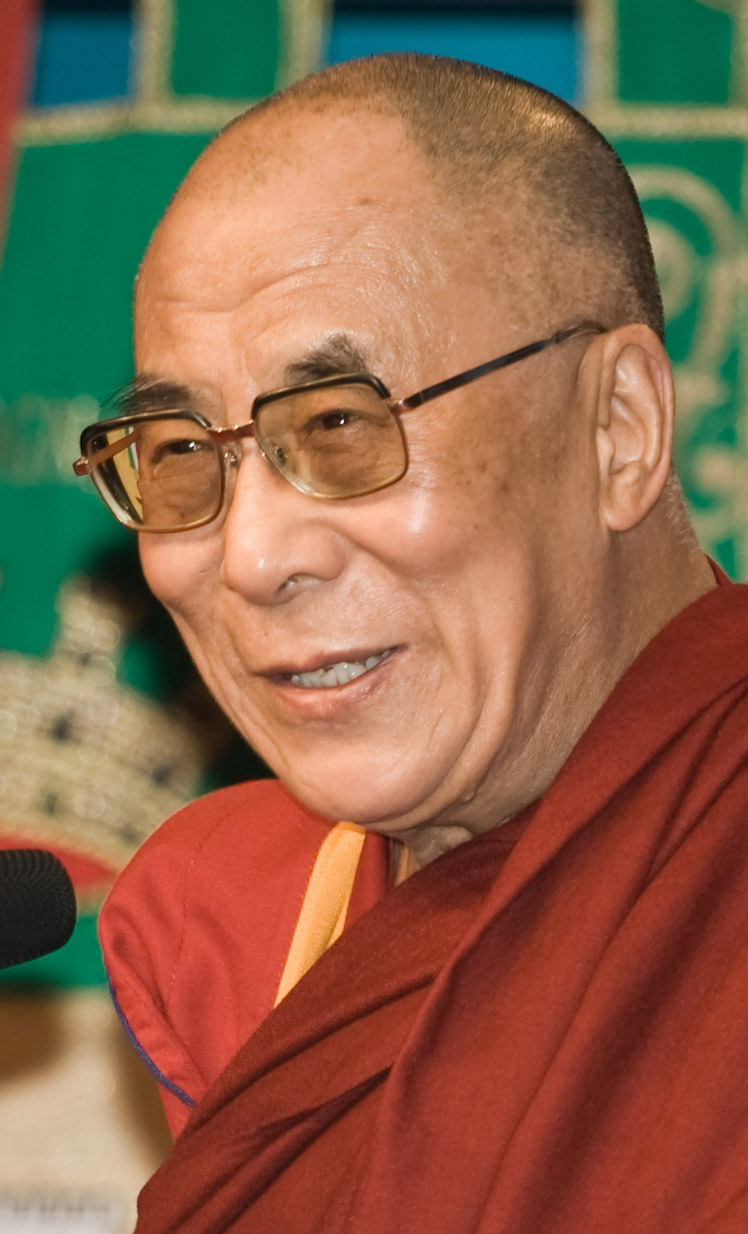
In Tibetan culture the word lama denotes a spiritual teacher or guide and is commonly used within Tibetan Buddhism. The term functions much like the English word teacher in religious contexts and refers to someone who gives instruction, leads practices, or offers spiritual mentorship.
It is important to distinguish this meaning from the South American pack animal spelled with two l's. See the separate articles on the animal llama and on variations in spelling and usage at Llama for those topics.
Image gallery
4 Images


Roles and common functions
Lamas serve a variety of roles in community and religious life. Typical functions include:
- teaching doctrine and meditation techniques;
- leading rituals, ceremonies, and empowerments;
- offering guidance, ethical instruction, and personal mentorship;
- administering monastic institutions or lay centers.
Origins and terminology
The usage of lama in Tibetan parallels the Sanskrit concept of a spiritual teacher and is comparable to the term guru. Historically the title developed within Tibetan religious institutions to identify those recognized as qualified to transmit specific practices and teachings.
Titles, hierarchy and notable examples
Not every lama holds the same rank or function. The label can apply to abbots, lineage holders, informal teachers and reincarnate masters known as tulkus. Some titles combine lama with other honorifics; for example, the well‑known office of the Dalai Lama includes the element "lama" as part of its formal designation.
In contemporary practice, lamas may be monastics or lay teachers; some are celibate monks, others are married and lead lay communities. Whether acting as ritual leaders, scholarly teachers, or personal mentors, lamas remain central figures in preserving and transmitting Tibetan Buddhist teachings and practices.
Related articles
Author
AlegsaOnline.com Lama (Tibetan Buddhist teacher) Leandro Alegsa
URL: https://en.alegsaonline.com/art/55647