
Talmud: central texts of Rabbinic Judaism
The Talmud is a multilayered corpus of Jewish legal and narrative discussions — Mishnah and Gemara — that records rabbinic debate, ethics, customs, and legal reasoning across centuries.
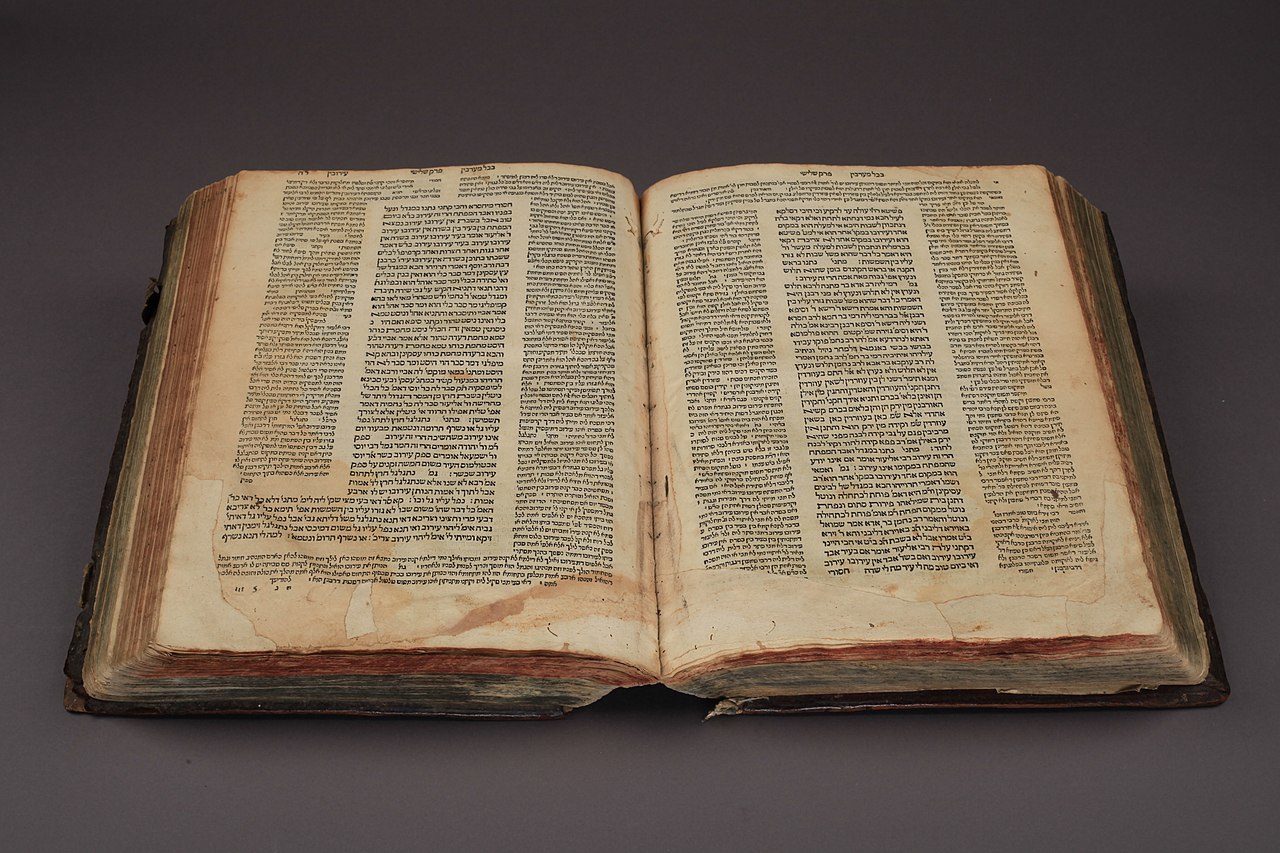
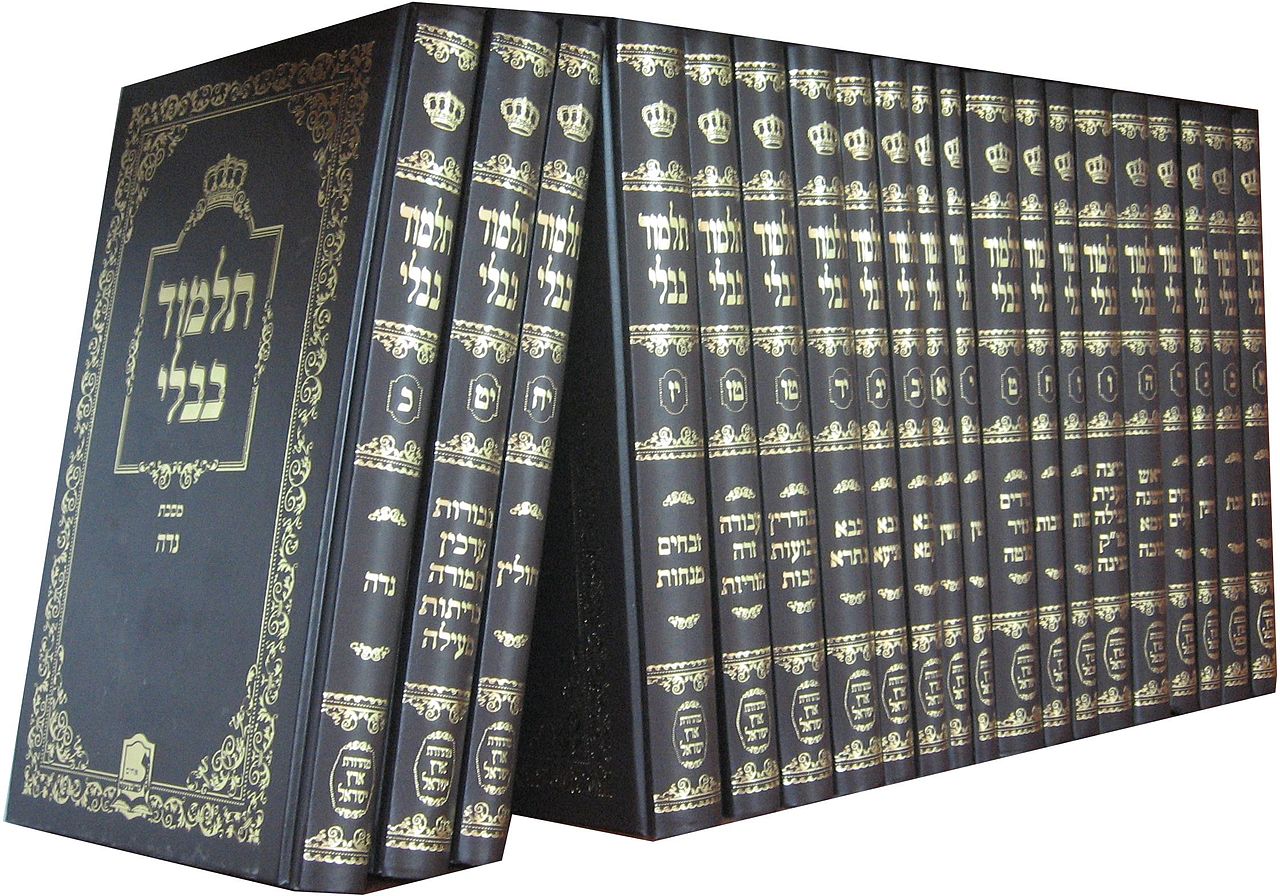
Overview. The Talmud is a large corpus of rabbinic writings that functions as the primary source of traditional Jewish law, ethics and practice. It grew out of centuries of scholarly discussion and preserves how early rabbinic authorities argued about the application of the Written Torah. As a collection of texts, it is foundational to many communities within Judaism and remains central to religious study and legal decision-making.
Image gallery
10 Images



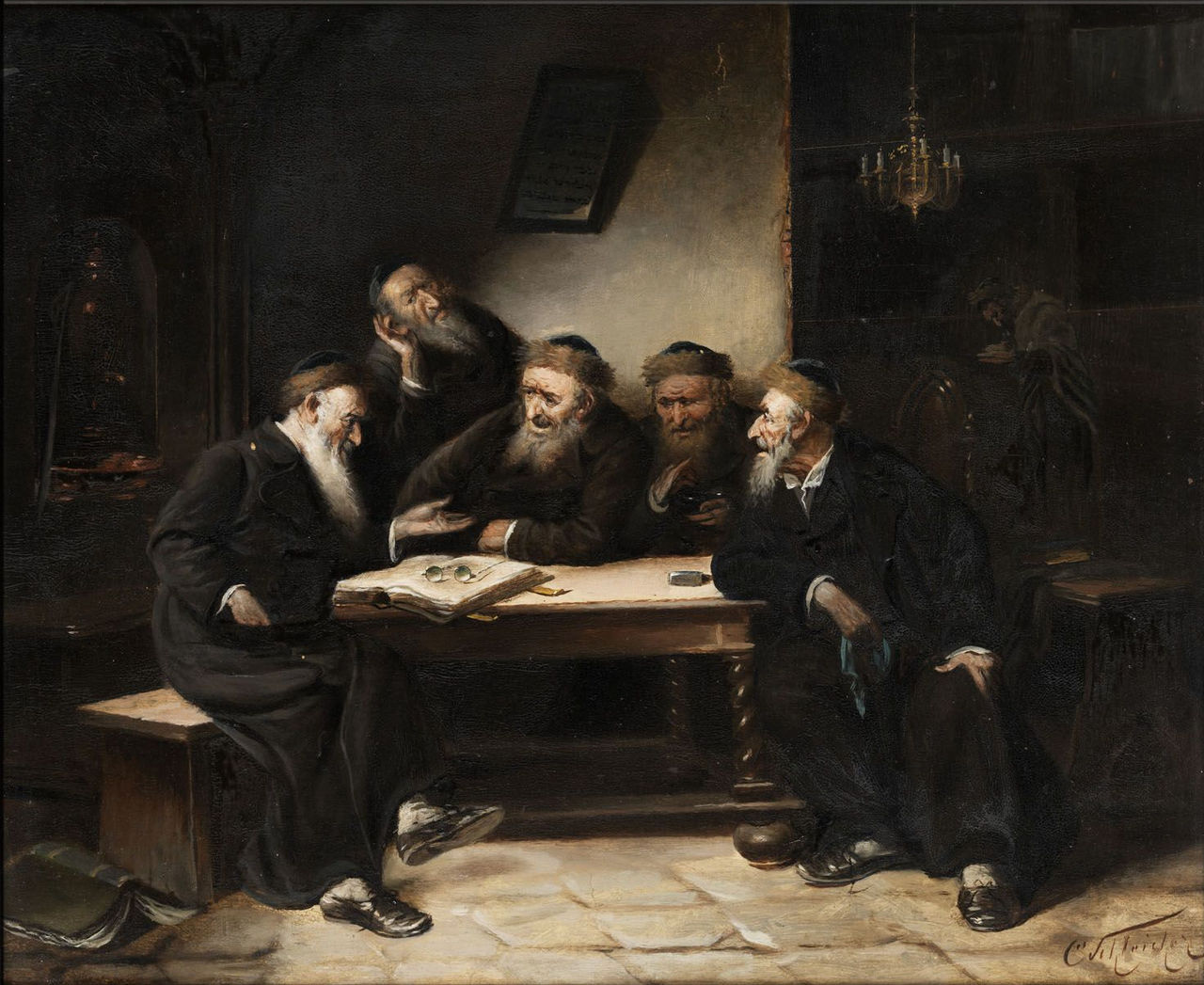
Structure and language
The Talmud has two main layers. The Mishnah is a redaction of the Oral Law, organized into tractates that summarize legal rulings and principles. The Mishnah was compiled around the end of the second century CE and is primarily in Mishnaic Hebrew. The Gemara is a later commentary on the Mishnah that records extended debate, clarification and case law; it is written largely in Jewish Babylonian Aramaic and in Hebrew. Together these layers form the Talmud, and two distinct compilations survive: the Babylonian Talmud and the earlier, shorter Jerusalem (or Palestinian) Talmud.
Contents and themes
The Talmud mixes legal material (halakha) with non‑legal material (aggadah). Its topics include ritual law, civil and criminal law, calendar rules, rituals and dietary practice, as well as moral teachings, scriptural interpretation and historical anecdotes. It preserves the voices of many rabbis across generations and records their disagreements, questions and methods of argumentation.
Historical development
After the destruction of the Second Temple, Jewish religious life became centered on rabbinic schools and synagogues rather than temple cultic practice. The Mishnah was produced to codify the Oral Traditions, and over the next centuries scholars in Palestine and Babylonia produced Gemaras that explained and expanded the Mishnah. The Babylonian compilation, completed by the fifth or sixth century CE, gained wider authority and is the primary text studied in most traditional communities.
Study, uses and influence
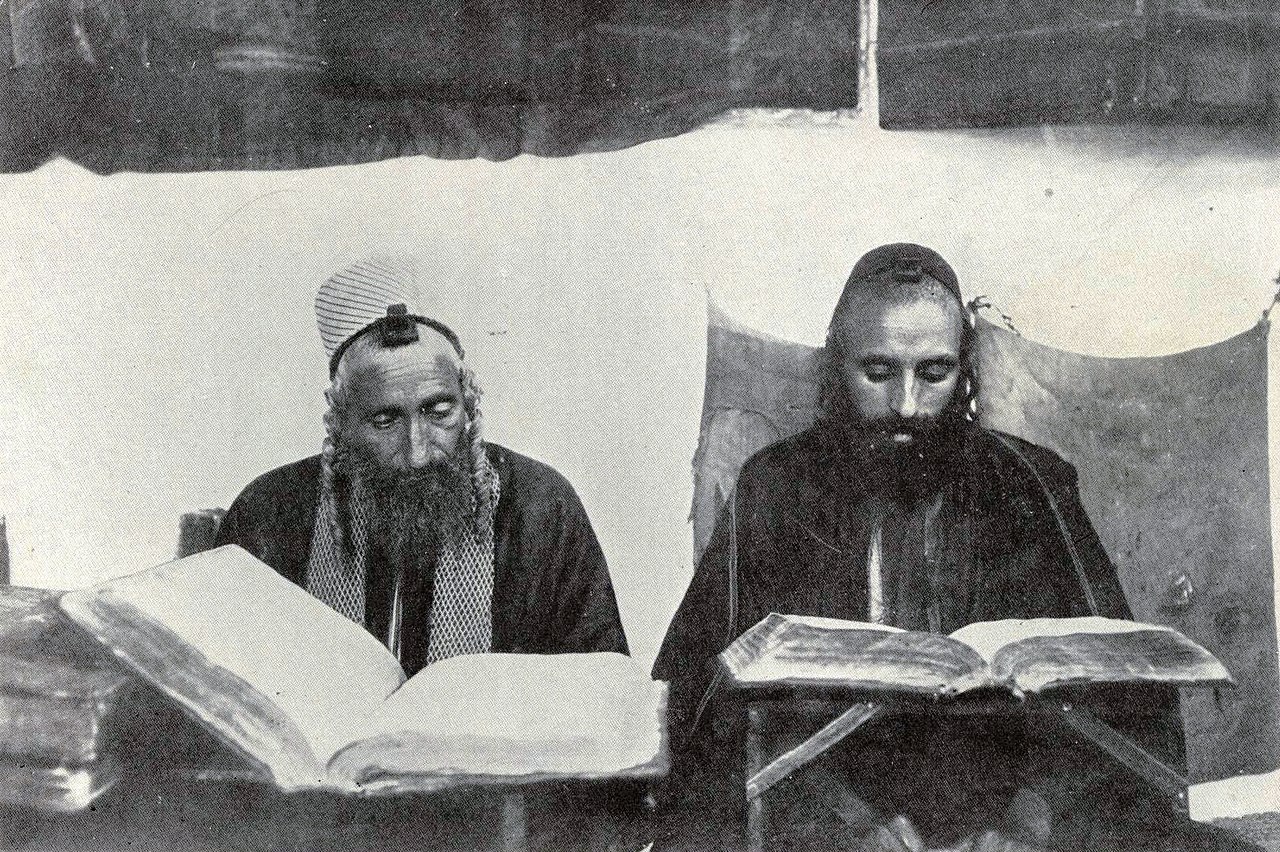
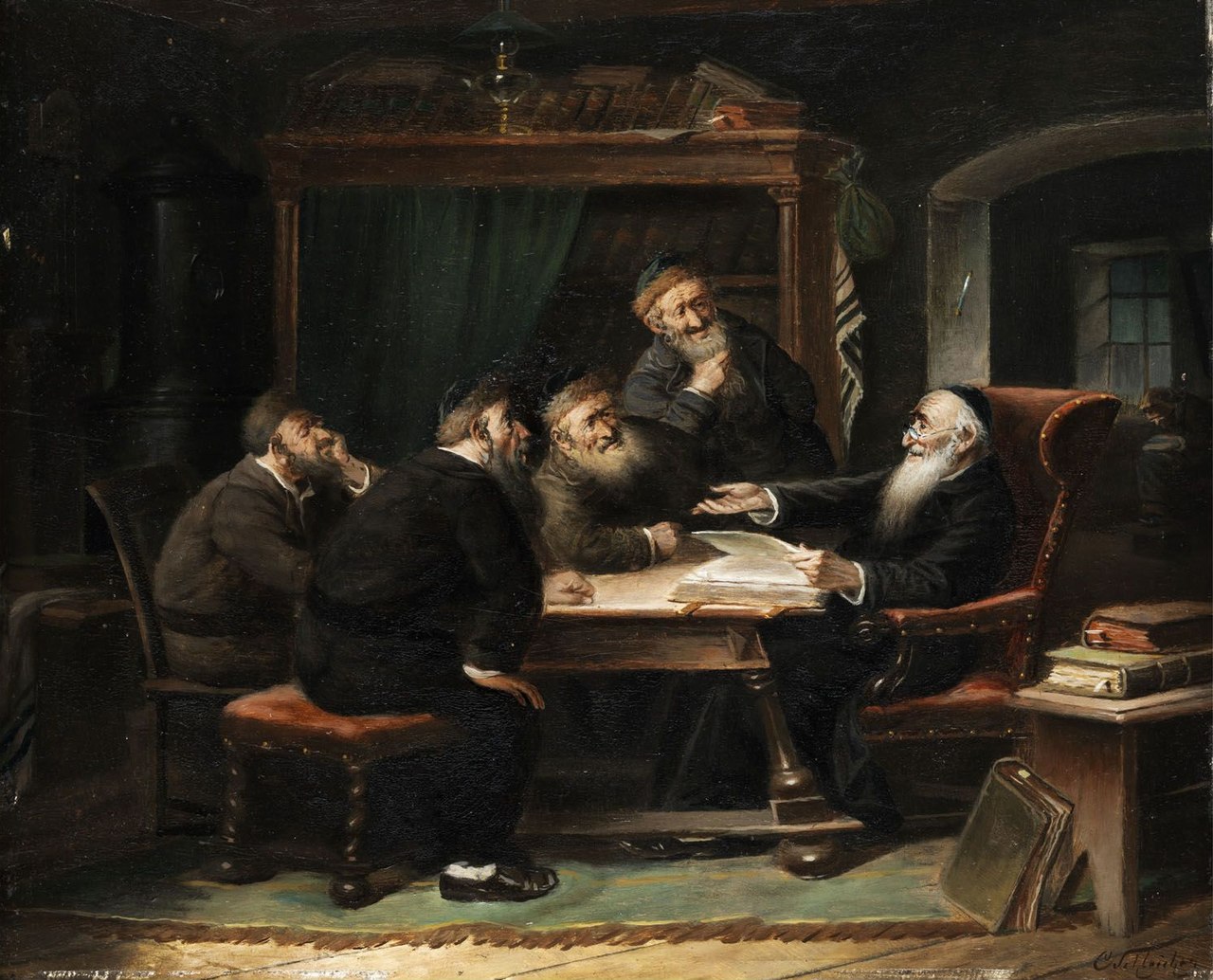
The Talmud is read and analyzed daily in many settings. Traditional study techniques include paired study (chevruta) and teacher‑led classes, and modern movements organize public cycles such as daily page study (Daf Yomi) to cover the Talmud methodically. Rabbis and legal decisors use Talmudic argumentation as the basis for later codes and responsa; its interpretive methods inform Jewish law, ethics (ethics), ritual practice and communal norms (history).
Distinctive features and notable facts
- The Talmud records argumentation rather than simply rulings; many passages are dialectical and preserve minority views for later adjudication.
- There are two classic versions: the Babylonian and the Jerusalem Talmuds, each with different emphases and historical contexts.
- It represents the development of the Oral traditions that were passed alongside the Written Torah and then compiled into accessible texts.
- Beyond law, the Talmud is valued for its literary complexity and its role in shaping communal life and learning.
Because the Talmud combines law, narrative and dialectic, it is both a legal corpus and a living record of rabbinic thought. Its study continues to influence religious practice, scholarly research and cultural identity in Jewish communities worldwide. For more general introductions and resources see Judaism resources and dedicated study guides at rabbinic study centers.
Related articles
Author
AlegsaOnline.com Talmud: central texts of Rabbinic Judaism Leandro Alegsa
URL: https://en.alegsaonline.com/art/96153