
Lancaster University: overview, colleges, research and campus life
Lancaster University is a public research university in Lancaster, England, known for its collegiate system, campus-based community, and strong research and teaching reputation in national and international rankings.
Overview
Lancaster University is a public research university located near Lancaster in the county of Lancashire, England. Founded in the mid-20th century, it operates a campus model with a distinctive collegiate structure that integrates academic departments with residential and social communities. The university is regularly placed among the higher-ranked UK institutions in national league tables and features in many global rankings for research and teaching performance.
Image gallery
10 Images
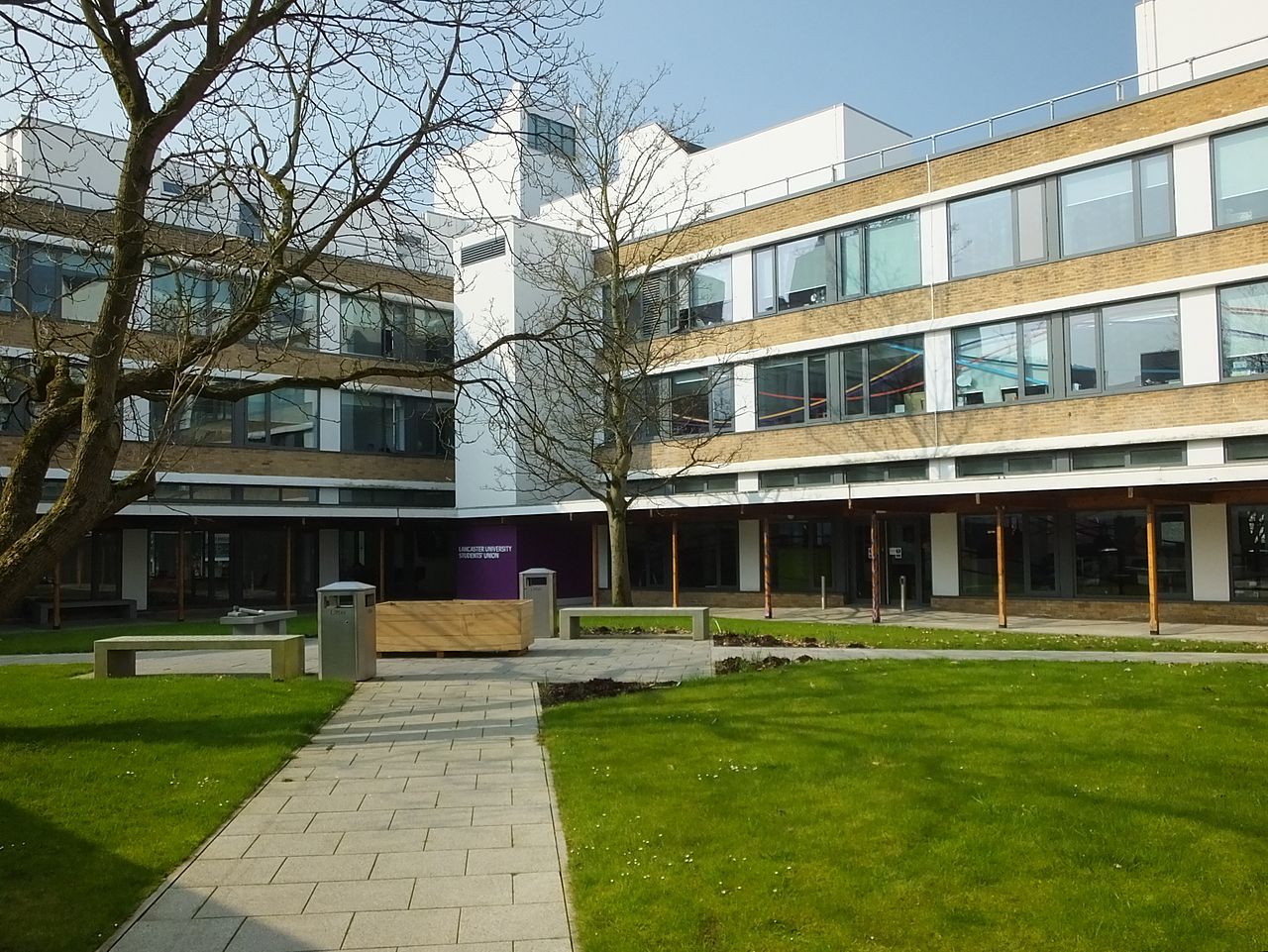


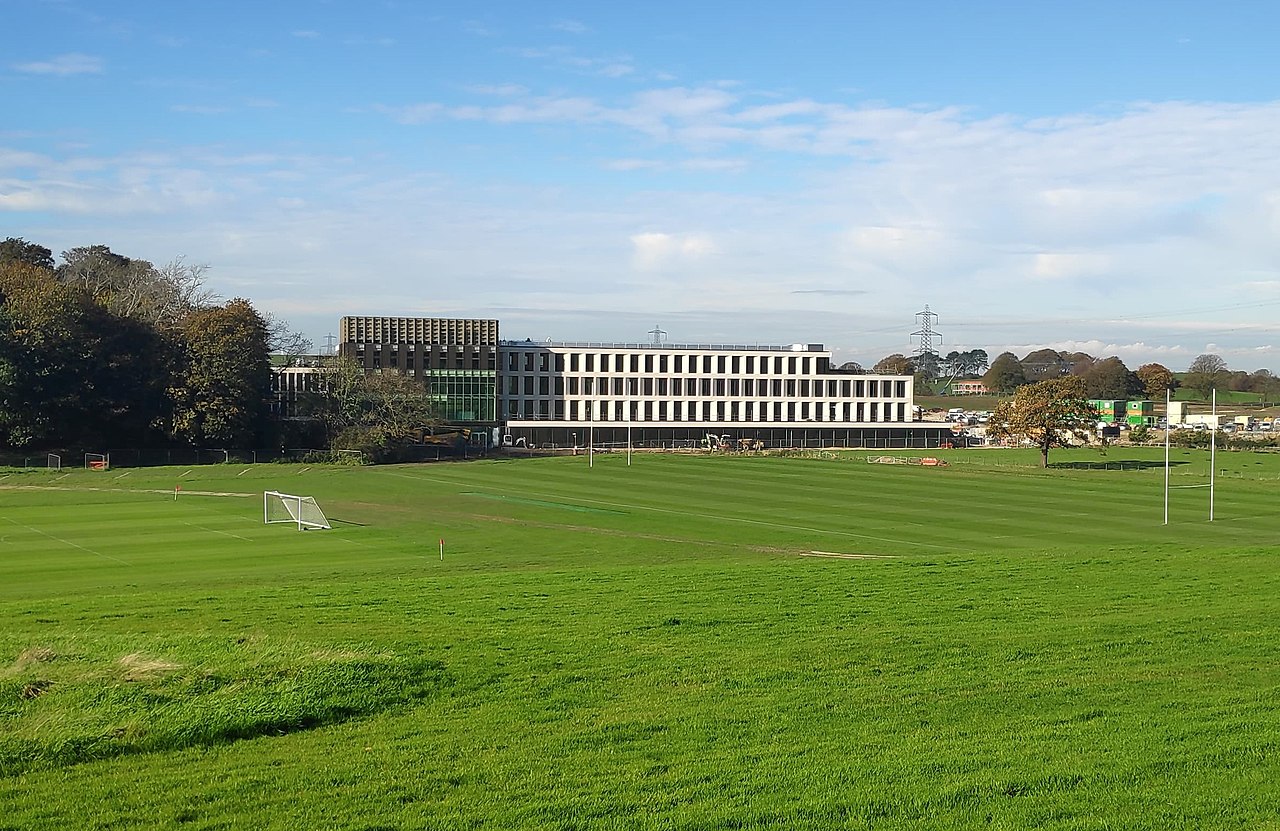


Campus and collegiate system
The main campus provides teaching, research, and student accommodation in close proximity, encouraging an active campus life. All students are members of a college: several colleges serve primarily undergraduate students and one focuses on postgraduate communities. Colleges offer pastoral support, social spaces, clubs, sports teams and opportunities for leadership, enhancing student belonging beyond academic departments.
Academic structure and research
Academically, Lancaster comprises faculties and departments spanning arts and humanities, social sciences, science and technology, and management. Its management school is particularly well known for business and management programmes. Research activity covers disciplines from environmental science and health-related fields to economics, diplomacy and digital technologies. The university maintains collaborations with industry and other research organisations to translate scholarship into practical applications.
History and development
Established in the 1960s, Lancaster grew from a regional teaching institution into an internationally recognised research university. Over decades it expanded facilities, introduced interdisciplinary centres and developed postgraduate education. The campus layout and collegiate traditions reflect a post-war emphasis on creating vibrant, residential universities that combine teaching, research and student life.
Student life, services and reputation
Student life at Lancaster is shaped by college-based events, student societies, music and arts activities, and a broad programme of sports. The university offers careers and employability services, international student support and outreach programmes. Its combination of campus community, research engagement and strong graduate outcomes contribute to its reputation in both the UK and overseas.
Notable distinctions and practical uses
Lancaster is often highlighted for its collegiate identity, campus environment and quality of research-led teaching. Graduates enter diverse fields including business, public service, education, science and technology. Prospective students and researchers typically consider Lancaster for its integrated campus experience, active student life and established links with external partners. For more institutional information and resources see the university pages and local information about Lancaster and Lancashire, or consult independent ranking summaries here.
Related articles
Author
AlegsaOnline.com Lancaster University: overview, colleges, research and campus life Leandro Alegsa
URL: https://en.alegsaonline.com/art/55755