
Klondike River (Yukon)
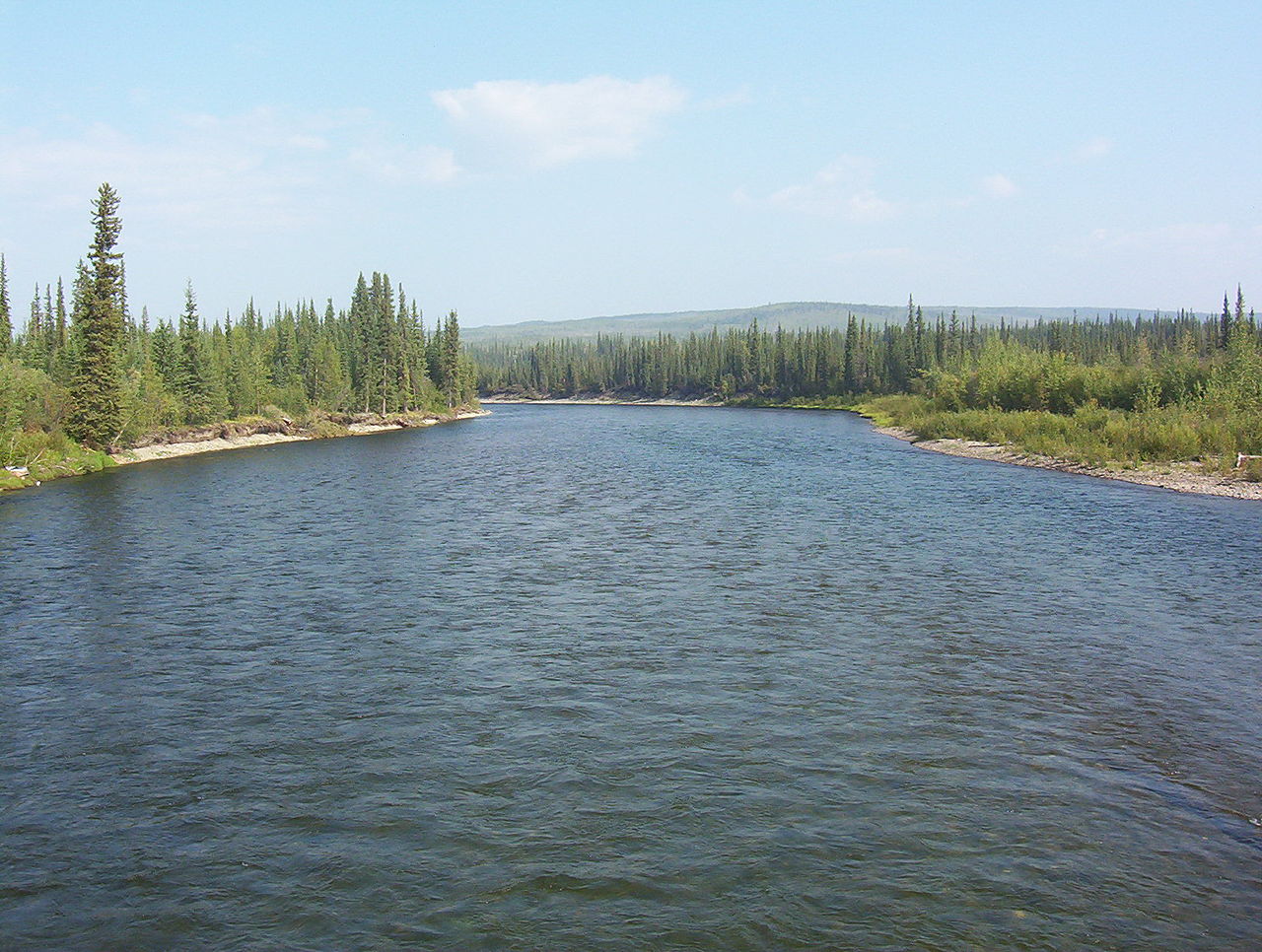
The Klondike River in Yukon, Canada, rises in the Ogilvie Mountains and joins the Yukon River at Dawson City. Its banks were the focus of the 1896 gold discovery that sparked the Klondike Gold Rush.
The Klondike River is a short but historically important watercourse in the Yukon territory of Canada. It flows from high ground in the Ogilvie Mountains down to meet the larger Yukon River at Dawson City. Hydrologically, the Klondike functions as a tributary that drains rugged subarctic terrain, carrying meltwater and seasonal flows through wooded valleys and gravel benches toward the mainstem Yukon.
Image gallery
4 Images


Geography and physical features
The river’s course runs through permafrost-affected landscapes, with alternating stretches of braided channel, floodplain, and steeper rocky segments in its upper reaches. Vegetation along the banks is typical of interior Yukon: willow, birch and spruce in sheltered areas, and sparse tundra or exposed gravels where the river shifts. The Klondike and its feeder creeks collect runoff from a modest watershed and act as conduits for sediments and organic material into the Yukon River system.
History and cultural significance
The Klondike valley is best known for the discovery of gold on its tributaries in 1896, an event that immediately led to the Klondike Gold Rush. Word of rich placer deposits brought tens of thousands of stampeders and transformed the remote river corridor. Dawson City grew at the Klondike’s mouth into a bustling supply and transport center. Indigenous peoples of the region, notably the Hän, had long used the river and its fisheries; the name "Klondike" itself derives from a local indigenous term for the area.
Ecology, uses and legacy
Today the Klondike River is valued for its heritage and natural qualities. Remnants of mining — tailings, sluice cuts and old claims — remain visible, and the river corridor is a focus for historical interpretation and tourism around Dawson City. It also supports fish and wildlife typical of interior Yukon rivers, including migratory salmon runs and freshwater species that are important to local subsistence and recreation. Recreational users visit the region for boating, guided history walks and wildlife viewing.
Notable facts
- The Klondike’s gold-bearing gravels were the primary attraction that created one of North America’s most famous 19th-century gold rushes.
- Dawson City developed at the river confluence and remains a center for cultural heritage related to the rush and to Indigenous history.
- The river illustrates the intersection of geology, climate and human activity: placer deposits formed by glacial and fluvial processes were exposed and exploited during a brief, intense period of mining.
Researchers, visitors and local residents continue to study and interpret the Klondike River landscape to understand both its environmental dynamics and its outsized role in the history of northern settlement. Links to regional resources and conservation efforts are often provided by territorial agencies and heritage organizations based in the Yukon and Dawson City.
For further reading about the region and its waterways see territorial summaries and historical overviews maintained by local repositories and museums.
Related articles
Author
AlegsaOnline.com Klondike River (Yukon) Leandro Alegsa
URL: https://en.alegsaonline.com/art/53954