
Dawson City, Yukon — history, geography, and cultural significance
Dawson City is a historic town in Yukon, Canada, known for its Klondike Gold Rush heritage, preserved frontier architecture, and role as the territory's capital from 1898 to 1952.
Overview
Dawson City is a small historic town in the Canadian territory of Yukon, located in the subarctic north. Once the focal point of a massive late‑19th century migration, it remains a living reminder of the Klondike Gold Rush era. Today Dawson is a community of roughly 1,300 residents and is the territory's second‑largest population centre after Whitehorse. It served as Yukon's capital from 1898 until 1952.
Image gallery
10 Images



Geography and layout
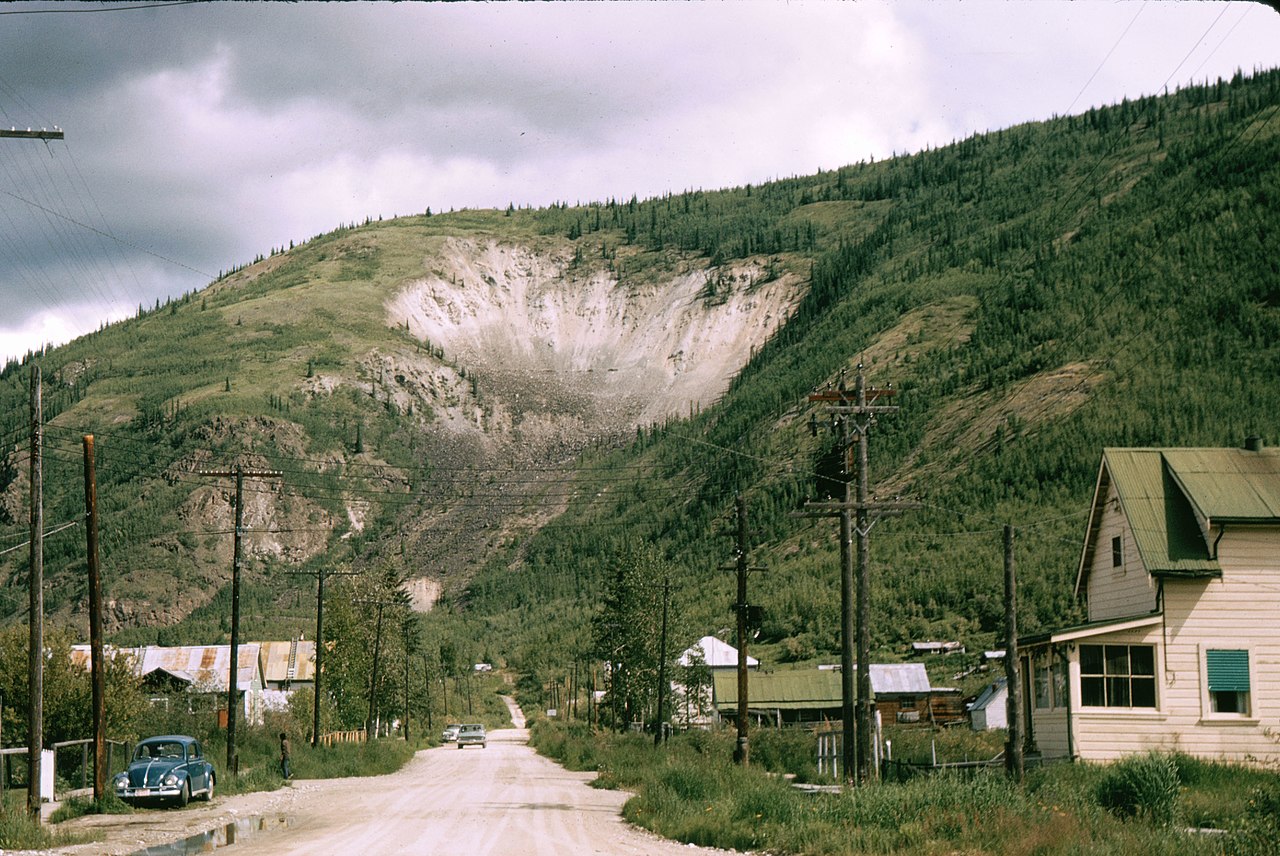
The town sits near the confluence of the Yukon River and the Klondike River, on low rolling terrain shaped by glacial and river activity. The Klondike Highway links Dawson City to other Yukon communities, while seasonal river and air access support tourism and local transport. Much of the built environment is compact: wooden storefronts, former boarding houses and compact residential lots are clustered in and around the historic downtown.
History and development
Dawson City's rapid rise is tied to the Klondike Gold Rush of the late 1890s. Prospectors travelled from around the world to the Klondike region; the influx of miners, traders and service providers transformed a few trading posts into a bustling town almost overnight. While a small number of miners struck fortunes, many more people grew wealthy by supplying food, accommodation and services to the boom population. After the initial rush subsided, the population and economic activity declined, though Dawson retained administrative and regional importance for decades.
Heritage, architecture and culture
The town has an unusually large concentration of preserved turn‑of‑the‑century buildings and streetscapes that reflect its boomtown origins. Several museums, interpretive centres and guided walks explain the gold‑rush era and local First Nations history. Contemporary Dawson also supports arts, small festivals and traditional activities that draw visitors who want to experience frontier life, historic architecture and northern landscapes.
Economy and significance
Modern Dawson City depends largely on tourism, public services, small‑scale mining, and cultural enterprises. Visitors come for heritage tourism, river travel and outdoor recreation such as hiking, canoeing and wildlife viewing. The town's story illustrates broader themes in northern history: rapid resource‑driven growth, frontier entrepreneurship, and later efforts to preserve cultural and built heritage.
Notable facts
- Dawson's boom in the late 1890s was centered on the Klondike Gold Rush; learn more about that period here.
- It was Yukon's capital for more than half a century, reflecting its early regional importance.
- The town experiences pronounced seasonal contrasts typical of high latitudes, which shaped historic transport and living conditions.
Related articles
Author
AlegsaOnline.com Dawson City, Yukon — history, geography, and cultural significance Leandro Alegsa
URL: https://en.alegsaonline.com/art/25866