
Klondike Gold Rush (Yukon, 1896–1899)
Late 19th-century gold rush in the Klondike region of the Yukon that drew thousands of prospectors to Bonanza Creek, transformed Dawson City and left lasting social, economic, and cultural effects.
Overview
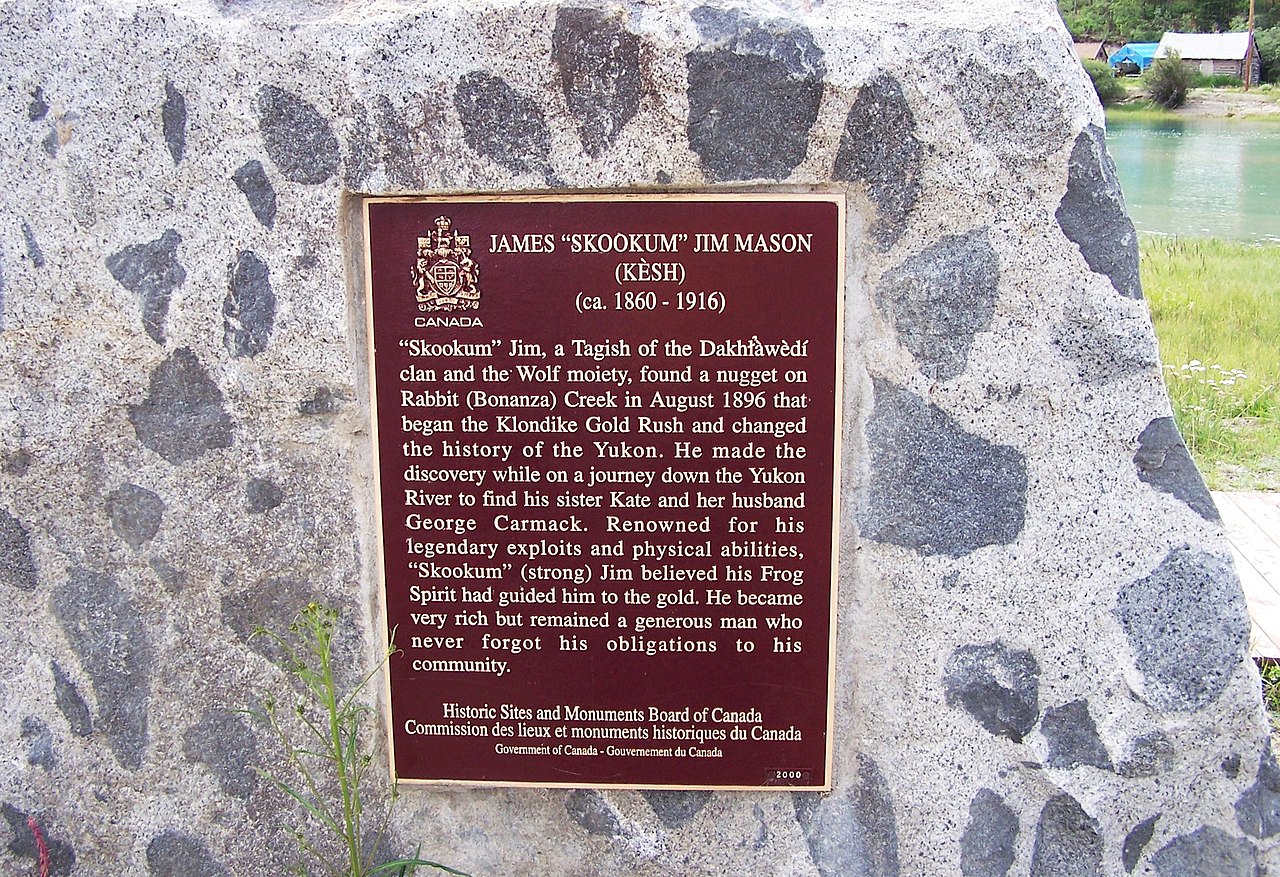
The Klondike Gold Rush was a sudden migration of fortune-seekers to the Klondike region of the Yukon Klondike in northwestern Canada Canada, triggered by reports of gold in 1896 and intensifying through 1897–1899. News of payable deposits drew thousands who hoped to find gold and make quick fortunes. The discovery on a small watercourse originally called Rabbit Creek, later renamed Bonanza Creek, set off the main rush.
Image gallery
10 Images



Discovery, routes and organization
After the initial reports many stampeders made long, difficult journeys by sea and overland. Common approaches included coastal steamships to Alaskan ports and then inland over mountain passes such as the Chilkoot and White Pass. The difficult terrain and winter conditions meant that authorities and local officials required careful measures: newcomers were commonly expected to arrive equipped with substantial supplies to reduce risk of starvation and disorder.
Who came
Prospective miners and entrepreneurs came from across North America and beyond. Many were independent prospectors, including large numbers from the United States, together with Canadians and immigrants from Europe and Asia. Alongside miners came merchants, outfitters, guides and others who provided goods and services—often those who profited most were suppliers rather than lone claim-holders.
Dawson City and local economy
Dawson City Dawson rapidly grew from a small camp into a bustling boom town that served as the commercial and social hub of the goldfields. Businesses, saloons, banks and supply depots developed to serve the influx. Substantial quantities of gold were recovered in the region, but only a minority of individual miners realized large personal fortunes; much wealth flowed into towns, shipping and equipment businesses.
Life, mining methods and impacts
Life on the trails and at the diggings was harsh: extreme cold, avalanches, disease and supply shortages were common. Placer mining with pans and sluice boxes was typical early on; later seasons saw more industrial methods, including dredges and hydraulic techniques, aimed at processing broader deposits. Indigenous peoples, notably the Hän and other First Nations, experienced major disruption as newcomers altered access to traditional lands and resources and changed local economies.
Aftermath and legacy
The Klondike rush accelerated governmental attention and infrastructure in the far north, helped consolidate Canadian administration of the Yukon, and left lasting cultural images of frontier hardship and opportunity. It inspired contemporary accounts and later literature, shaped northern settlement patterns, and remains a key episode in North American frontier history.
- The sudden migration demonstrated the importance of planning and supply for remote expeditions.
- Many who profited were merchants and service providers rather than individual prospectors.
- The social and environmental effects of the rush continued to influence the Yukon and local communities long after the initial boom.
Related articles
Author
AlegsaOnline.com Klondike Gold Rush (Yukon, 1896–1899) Leandro Alegsa
URL: https://en.alegsaonline.com/art/53953