
Klaipėda: Lithuanian port city at the Nemunas estuary
Klaipėda is Lithuania’s third-largest city and a key Baltic port at the mouth of the Nemunas River, with a layered history under Teutonic, Prussian, German and Lithuanian rule and close ties to the Curonian Spit.
Overview
Klaipėda is a coastal city in Lithuania, located where the Nemunas (Neman) River meets the Baltic Sea. It is the third largest city in the country and serves as the administrative centre of Klaipėda County. The city has a mixed cultural heritage and long maritime traditions; its German name is Memel, reflecting centuries of German-speaking presence and influence.
Image gallery
10 Images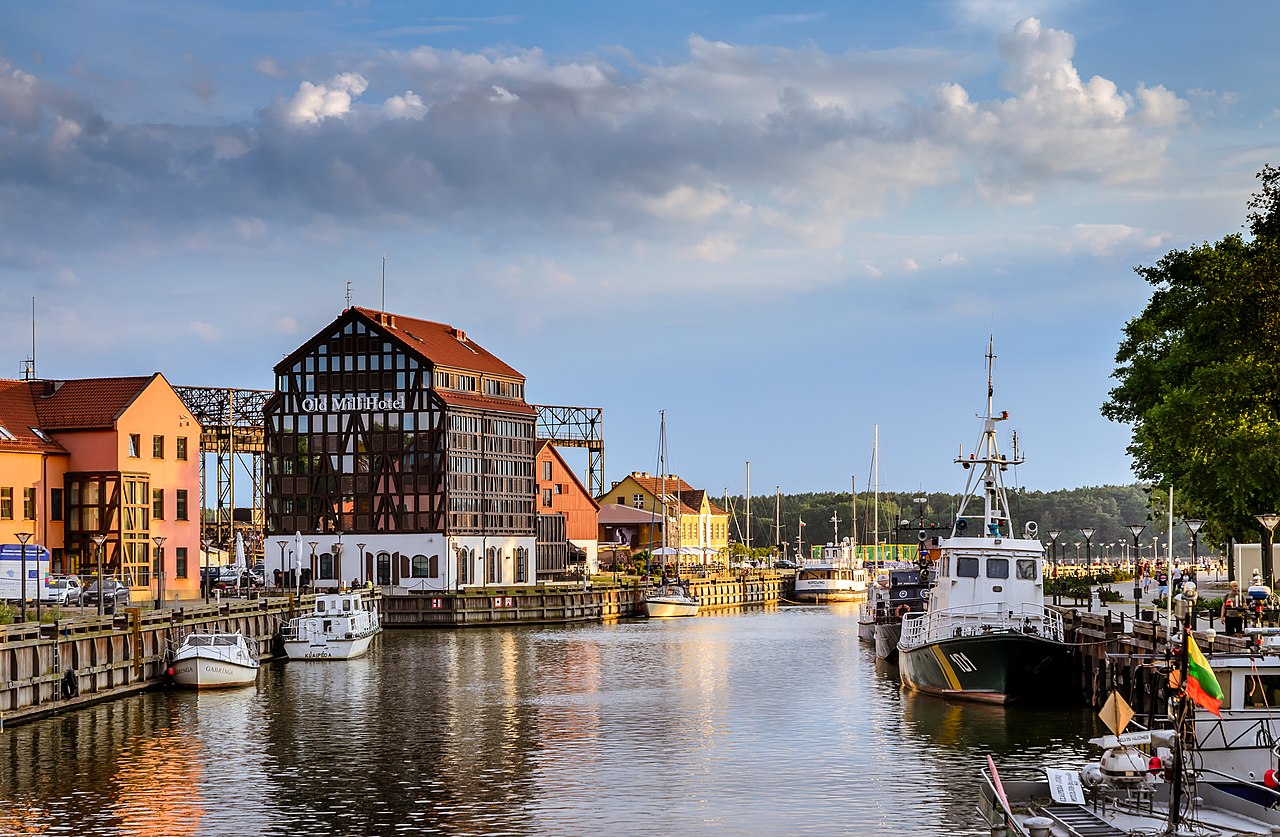


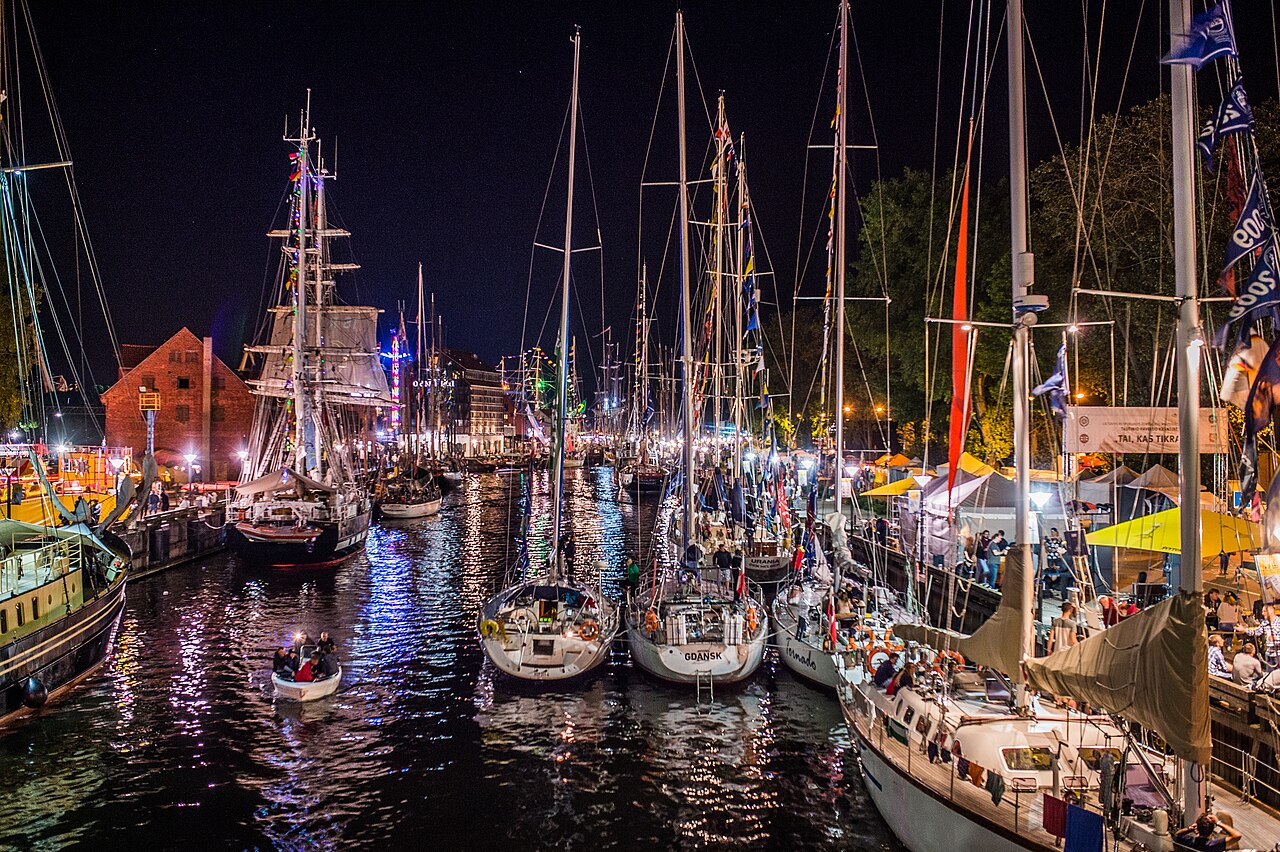
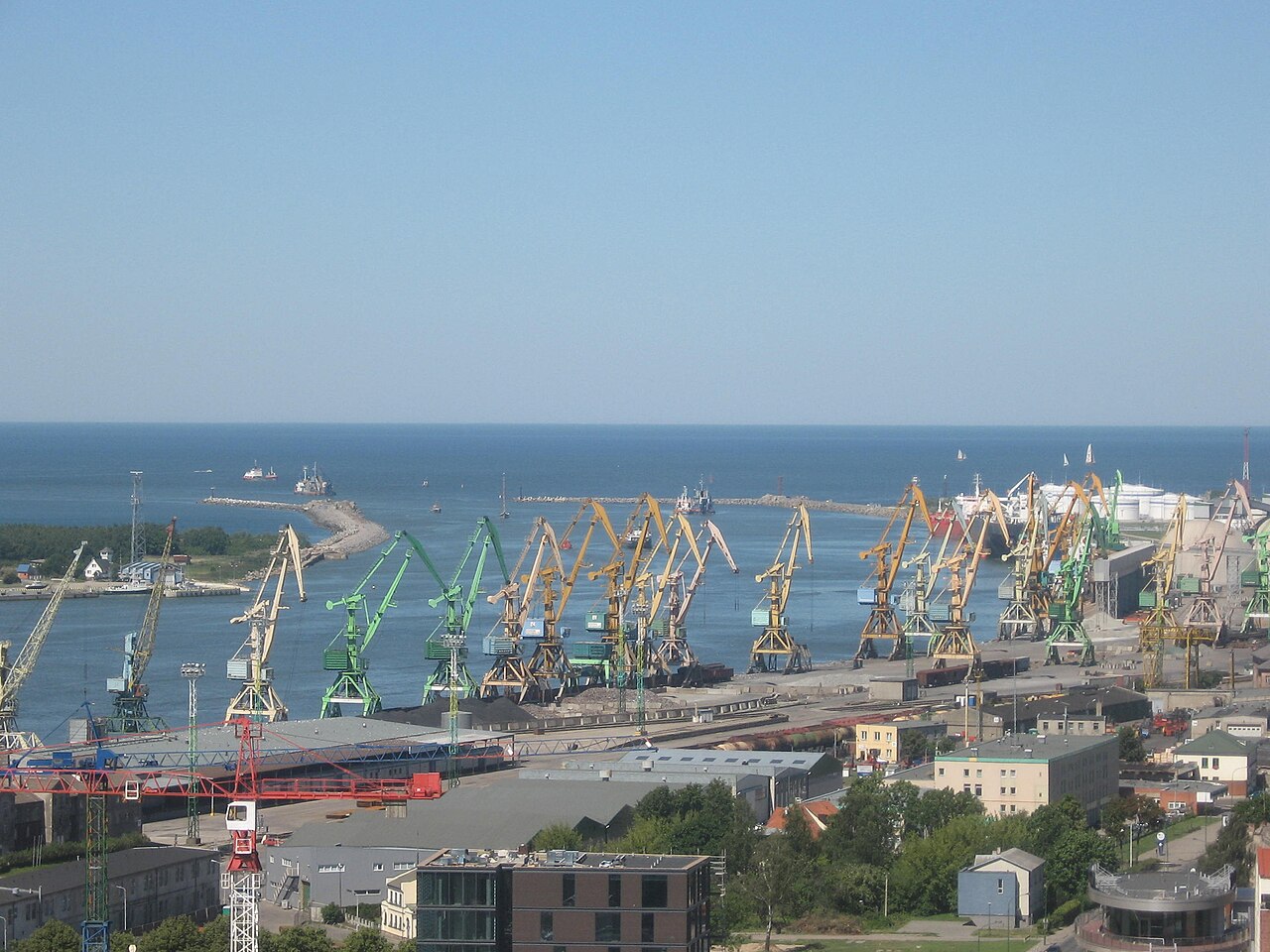
Historical background
The origin of the settlement is medieval. A fortress at the river mouth was established in the 13th century by the Teutonic Knights, and over time the town developed under the Duchy and later the Kingdom of Prussia. Until the end of World War I it formed part of the northernmost reaches of the German Empire. After the war the Klaipėda (Memel) Region passed under international administration, and in the interwar years the area became contested between the Entente and neighbouring countries; the involvement of the Entente states shaped its transfer to Lithuania in the early 1920s. The 20th century then brought further changes: periods of German control in the late 1930s and wartime, incorporation into the Soviet Lithuanian SSR after 1945, and continuation as part of independent Lithuania after 1990.
Port, economy and transport
Klaipėda’s port is the city’s economic heart. Situated on the open Baltic, the harbour is valuable for commercial shipping, ferry links, fishing and maritime services; it is generally ice-free for much of the year, which gives it an advantage for year-round cargo movement. The port area supports logistics, oil and bulk terminals, ship repair and related industries. Inland connections follow the Nemunas valley and rail corridors into the Lithuanian interior and neighbouring countries, reinforcing Klaipėda’s role as a regional transport hub.
Culture, tourism and surroundings
The city’s built environment mixes older Germanic townscapes and later Lithuanian architecture, and its cultural life reflects coastal and seafaring traditions. Visitors find museums, maritime exhibits, cafés and a compact Old Town. Klaipėda is also the gateway to the Curonian Spit, a narrow sand-dune peninsula shared with Russia and recognised as a UNESCO World Heritage site. Popular nearby seaside resorts include Nida on the Curonian Spit and Palanga to the north, both well known for beaches and tourism.
Notable facts and recent trends
- Klaipėda has experienced demographic change in recent decades: recorded population figures declined from about 207,100 in 1992 to roughly 177,823 in 2011, reflecting broader regional shifts.
- The port’s relative freedom from ice and its strategic position on the Baltic make Klaipėda important for Lithuania’s trade and energy imports.
- The city’s layered past—Teutonic, Prussian, German, Lithuanian and Soviet—gives it a distinctive historic identity and a mix of cultural influences.
Klaipėda continues to function as a working port and regional centre while also serving as a starting point for coastal tourism and access to unique natural landscapes. For more information on the city’s institutions, transport services and visitor attractions see local guides and official resources.
Geographical location
Klaipėda is located about 120 km as the crow flies northeast of Kaliningrad (Königsberg) and about 290 km northwest of the capital Vilnius on the mainland at the mouth of the Dange (Lithuanian Danė) into the Curonian Lagoon opposite the northern end of the Curonian Spit, called Kopgalis (German: Süderspitze). The town is embedded in the Curonian landscape Pilsaten ("pil", "pilstu", "pilt", "pilti" = flow, pour, pour, drip).
Climate
| Monthly average temperatures and precipitation for Klaipėda
Source: wetterkontor.de | ||||||||||||||||||||||||||||||||||||||||||||||||||||||||||||||||||||||||||||||||||||||||||||||||||||||||||||||||||||||||||||||||||||||||||||||||||||||||||||||||||||||||||||||||||||||||||||||||||||||||||||||||||||||||||||||||||||||||||||||||||||||||||||
Questions and answers
Q: What is Klaipėda?
A: Klaipėda is a city in Lithuania located where the Nemunas River flows into the Baltic Sea. It is the third largest city in Lithuania and the capital of Klaipėda County.
Q: What was its German name?
A: The German name of Klaipėda was Memel.
Q: How long did it remain part of Germany?
A: Until 1920, Klaipėda was part of the northernmost city of the German Empire.
Q: What is significant about its port?
A: The Port of Klaipėda is an important ice-free port on the Baltic Sea that has been controlled by various countries throughout history.
Q: When did it become part of Lithuania?
A: The city became part of Lithuania when it was a Soviet Socialist Republic and remained part of Lithuania after it again became an independent state.
Q: How has its population changed over time?
A: The population shrank from 207,100 in 1992 to 177,823 in 2011.
Q: Are there any popular seaside resorts nearby?
A: Yes, popular seaside resorts found close to Klaipėda are Nida to the south on the Curonian Spit, and Palanga to the north.
Related articles
Author
AlegsaOnline.com Klaipėda: Lithuanian port city at the Nemunas estuary Leandro Alegsa
URL: https://en.alegsaonline.com/art/53904