
Klamath Falls, Oregon — overview, history and natural features
Klamath Falls is a city in Klamath County, Oregon, known for its lakes, birdlife, geothermal heating use and history as Linkville; the 2010 census recorded 20,840 residents.
Overview
Klamath Falls is a city in Klamath County, Oregon, in the western United States. It sits at the southern end of Upper Klamath Lake and functions as a regional center for commerce, services and outdoor recreation in this part of the state. The 2010 census recorded 20,840 people living in the city.
Image gallery
10 Images
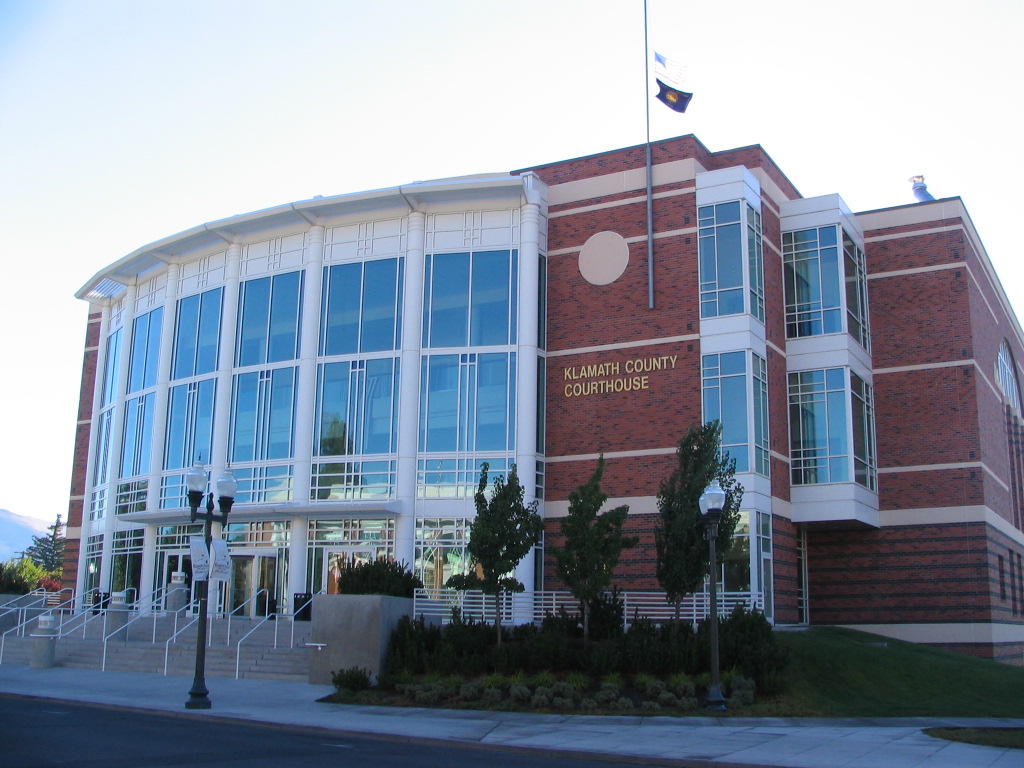


Geography and name
The community grew where the Link River drained Upper Klamath Lake toward the Klamath River system. Early settlers named the settlement for the river's falls: the town was originally called Linkville. Over time the river and its channels were modified for navigation, power and flood control; as a result, the visible falls that inspired the original name are no longer present. The contemporary name, adopted in the late 19th century, reflects the broader Klamath Basin landscape and the Native American people who have lived in the region for millennia.
History
Klamath Falls began as a small settlement founded in 1867 by George Nurse and other pioneers. The community developed with ranching, agriculture and timber as economic drivers, and it served as a stop for travelers and freight moving through southern Oregon. In 1892 the town's name was changed from Linkville to Klamath Falls, tying the place more closely to the river, lake and basin that frame its identity.
Economy and infrastructure
The local economy historically relied on timber and agriculture; today it also includes tourism, health services and public administration. Klamath Falls is notable for practical uses of geothermal energy: natural hot springs have been tapped to heat buildings and provide district heating in parts of the city. The area also hosts an Air National Guard base, which contributes to the local economy and infrastructure.
Recreation and environment
The Klamath Basin is an important stopover for migrating waterfowl and shorebirds, and the nearby refuge complex attracts birdwatchers and hunters. Anglers, boaters and hikers use Upper Klamath Lake, surrounding marshes and volcanic highlands for recreation. The city lies within driving distance of highland recreation areas and national parks, making it a base for year-round outdoor activity.
Notable facts and distinctions
- Historic names: founded as Linkville for the Link River and renamed Klamath Falls in 1892.
- Geothermal use: one of the communities in the region to employ geothermal heating for public and private buildings.
- Wildlife importance: part of the Klamath Basin network of wetlands and refuges that support large migratory bird populations.
Readers seeking official or statistical sources can consult municipal and county pages for current information about civic services, demographics and economic programs via city, county and state resources, or federal listings for the nation. For historical and river-specific details see materials about the Link River and basin management.
Questions and answers
Q: What is Klamath Falls?
A: Klamath Falls is a city in Klamath County, Oregon, United States.
Q: Who founded Klamath Falls?
A: George Nurse founded Klamath Falls in 1867.
Q: What was the original name of Klamath Falls?
A: The original name of Klamath Falls was Linkville.
Q: Why was it called Linkville?
A: Linkville was named after the Link River, because the city sat on its falls.
Q: Are there any falls in Klamath Falls now?
A: No, there are no falls in Klamath Falls currently.
Q: When was the name of the city changed to Klamath Falls?
A: The name of the city was changed to Klamath Falls in 1892.
Q: How many people lived in Klamath Falls according to the 2010 census?
A: According to the 2010 census, 20,840 people lived in Klamath Falls.
Related articles
Author
AlegsaOnline.com Klamath Falls, Oregon — overview, history and natural features Leandro Alegsa
URL: https://en.alegsaonline.com/art/53906
Sources
- census.gov : "Population Estimates"
- factfinder2.census.gov : "American FactFinder"
- geonames.usgs.gov : "US Board on Geographic Names"
- klamathtribes.org : "Vocabulary" · web.archive.org
- users.wi.net : "Name of Tiwishkeni"
- ohs.org : "Oregon History Project"
- census.gov : "US Gazetteer files: 2000 and 1990"
- newsok.com : "US town uses geothermal energy to stay warm"
- sistercities.org : "Oranjestad, Aruba"