
Kingdom of Mysore: history, rulers, culture and legacy
A historical South Indian kingdom founded by the Wadiyar dynasty in 1399. It rose to prominence under Hyder Ali and Tipu Sultan, later became a British princely state, and acceded to India in 1947.
Overview
The Kingdom of Mysore was a regional state in southern India centered on the city of Mysore. Established by the Wadiyar (Wodeyar) dynasty at the end of the 14th century, it grew from a relatively small principality into one of the major powers of peninsular India. Its political fortunes changed repeatedly: it served as a vassal, became independent, fell under the de facto control of military leaders, and eventually functioned as a princely state under British suzerainty.
Image gallery
10 Images




Origins and political development
The Wadiyars founded the dynasty in 1399 and initially acknowledged the overlordship of the Vijayanagara Empire. After the decline of Vijayanagara in the mid-16th century, Mysore expanded and asserted greater autonomy. By the 18th century the kingdom had developed a more elaborate administration, a standing army and an economy based on agriculture, trade and local crafts.
Hyder Ali and Tipu Sultan
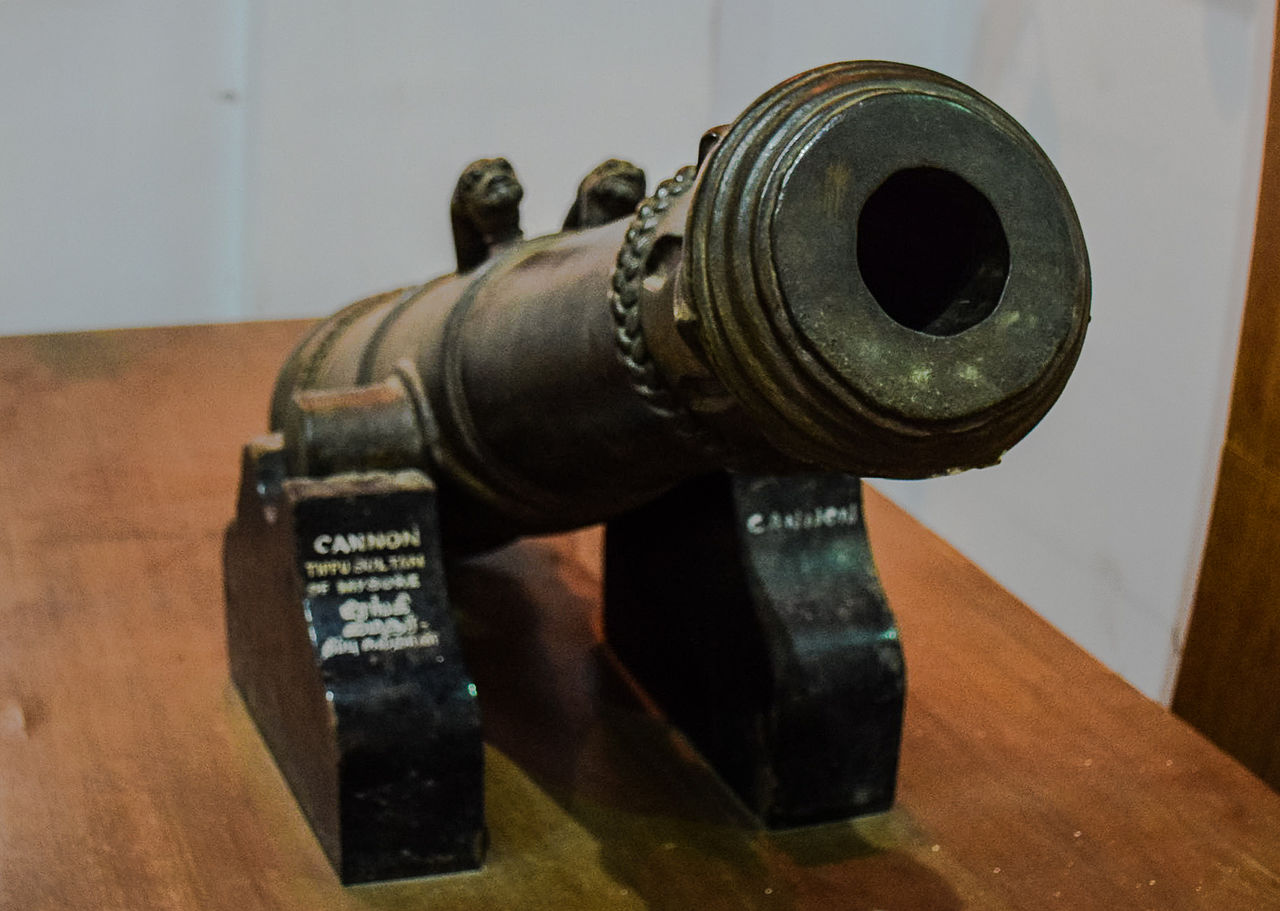
In the mid-1700s military commanders Hyder Ali and, later, his son Tipu Sultan concentrated real power in their hands while retaining the Wadiyar monarch as a nominal ruler. Tipu pursued aggressive military and diplomatic policies, resisting the expansion of the British East India Company and engaging in several conflicts known collectively as the Anglo–Mysore Wars. He is noted for administrative reforms, interest in technologies like rocketry, and efforts to modernize the state. Tipu died defending his capital at Srirangapatna in 1799 during the Fourth Anglo–Mysore War.
Period under British influence and later Wadiyar rule
After Tipu's defeat the British restored the Wadiyar family to power, but under a subsidiary alliance that left Mysore subject to British political control. From the early 19th century until Indian independence in 1947, the state was administered as a princely state with its own native ruler but limited sovereignty. The period saw infrastructural developments, courtly patronage of arts and a degree of modernization in law and revenue administration.
Culture, economy and notable features
Mysore is remembered for its contributions to courtly culture, painting, music and architecture. The royal court patronized the Kannada language and regional arts; the city of Mysore became famous for its palaces and the annual Dasara festival that showcased the kingdom's ceremonial life. Economically, Mysore combined agriculture with trade in textiles, sandalwood and other regional products. The kingdom also produced military innovations, most famously the iron-cased rockets used against British forces, which later influenced European rocketry development.
Legacy and historical significance
The Kingdom of Mysore played a significant role in the shifting balance of power in southern India across several centuries. Its interactions with the Vijayanagara Empire, conflicts with the British (see Anglo–Mysore Wars), the rule of figures such as Tipu Sultan, and its later status as a princely state under British paramountcy (see princely state era) are key chapters in the subcontinent's modern history. Today the region's cultural heritage — from palaces to festivals and handicrafts — continues to attract interest and scholarship.
- Founded by the Wadiyar dynasty c. 1399
- Vassalage to the Vijayanagara state, later independence
- De facto rule by Hyder Ali and Tipu Sultan in the 18th century
- Defeat of Tipu Sultan in 1799 and restoration of the Wadiyars under British suzerainty
- Accession to the Indian Union after 1947 and enduring cultural legacy
Related articles
Author
AlegsaOnline.com Kingdom of Mysore: history, rulers, culture and legacy Leandro Alegsa
URL: https://en.alegsaonline.com/art/53603
Sources
- mysorepalace.gov.in : "Mysore Palace"
- karnataka.com : "The Wodeyar Kings of Mysore"