
Kingdom of Sussex (South Saxons)
Early Anglo-Saxon kingdom in southern England covering roughly modern Sussex; noted for the Weald forest, conversion under St Wilfrid, archaeological evidence, and later absorption into Wessex and England.
Overview
The Kingdom of Sussex, literally the land of the South Saxons, was one of the early medieval polities formed in post‑Roman Britain. Its extent corresponded broadly with the later county of Sussex. Sussex was one element of the wider grouping of Anglo-Saxon kingdoms that developed in the fifth to eighth centuries. Contemporary documentary evidence is limited; knowledge of the kingdom rests on a mixture of later chronicles, place‑name study and archaeological remains.
Image gallery
6 Images


Territory and landscape
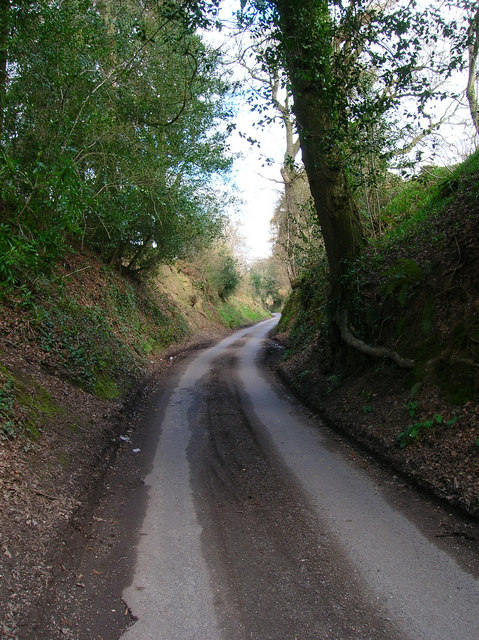
The kingdom included a coastal plain with river valleys and chalk downland, while the eastern interior was dominated by the dense woodland known as the Weald or Andred. This landscape pattern influenced settlement, economy and communications: coastal and river sites were more intensively exploited for farming, trade and ports, whereas the forested interior supported fewer, more dispersed communities and provided timber and pasture.
Origins, rulership and institutions
Traditional lists of early rulers appear in later sources; names such as Ælle are known from the Anglo‑Saxon Chronicle but early regnal details are uncertain. Kings of Sussex seem to have ruled from several important local centres rather than a single fixed capital. Local government combined kinship-based communities, lords and assemblies with the authority of a king who exercised military, judicial and diplomatic functions. Over time powerful neighbouring polities, especially Wessex, asserted influence or overlordship.
Religion and cultural change
Sussex remained pagan later than some neighbouring areas. Conversion to Christianity is traditionally associated with the work of missionaries such as St Wilfrid in the late 7th century, when churches and episcopal structures were established and the kingdom became more integrated with continental and insular Christian networks. Old English dialects developed locally and material culture shows both continental Germanic and native influences.
Economy, archaeology and notable sites
- Economy: mixed agriculture, pastoralism, woodland resources and coastal trade were all important to local livelihoods.
- Archaeology: cemeteries, metalwork, building remains and settlement traces supply much of the tangible evidence for early Sussex society.
- Sites: Chichester and Selsey are frequently identified as important episcopal and administrative centres in later sources and tradition.
Later history and legacy
From the later Anglo‑Saxon period Sussex increasingly came under the political influence of Wessex and was eventually integrated into the kingdom of England. Its administrative divisions, toponymy and cultural memory preserved the identity of the South Saxons. Modern study combines archaeology, place‑name evidence and cautious reading of the few surviving texts to reconstruct the kingdom's development within the broader transformation of Britain after Roman rule.
Related articles
Author
AlegsaOnline.com Kingdom of Sussex (South Saxons) Leandro Alegsa
URL: https://en.alegsaonline.com/art/53612