
Kingdom of Poland (1385–1569): the Jagiellon era
The Jagiellon Kingdom of Poland (1385–1569) began with Władysław II Jagiełło and the Union of Krewo. It matured into a multiethnic realm with strong noble institutions and ended in the Union of Lublin.
The Kingdom of Poland from 1385 to 1569 is commonly called the Jagiellon era after the dynasty that provided its monarchs. Its beginning is conventionally dated to the accession of Władysław II Jagiełło, a Lithuanian ruler who became king of Poland and initiated a long personal union between the two states. That arrangement set the political stage for a realm that combined Polish and Lithuanian interests while retaining separate administrations and laws until later integration.
Image gallery
10 Images






Political character and institutions
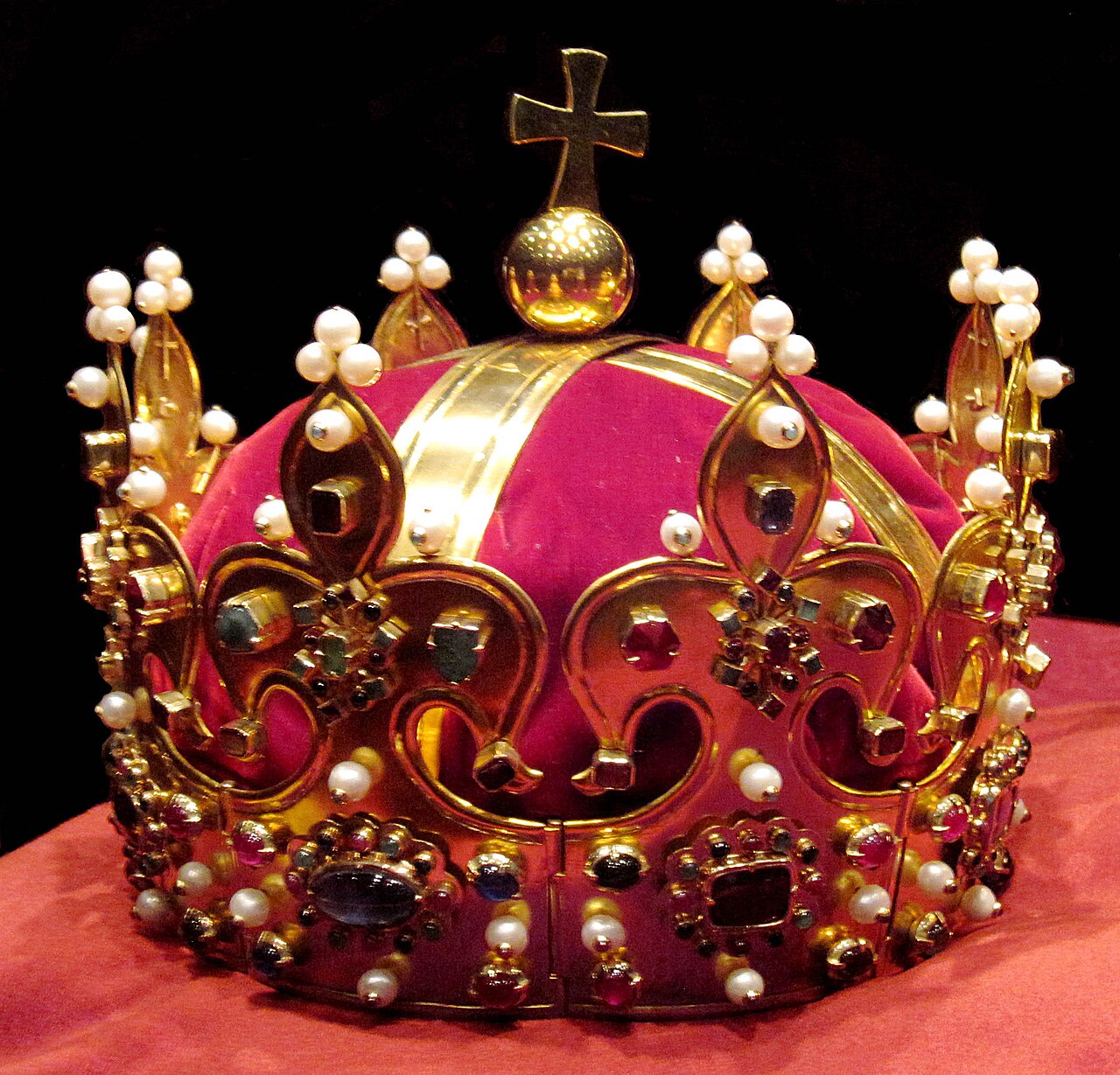
Under the Jagiellons the crown remained a central symbol, but real power was shared with magnates and the landed nobility (szlachta). Royal authority depended on consensus with powerful regional elites, the royal court and the Senate. Important legal developments limited monarchical initiative, most notably a series of privileges and parliamentary customs that increased the role of the Sejm. The period saw growing institutional complexity rather than absolute centralization.
Union, diplomacy and warfare
The dynasty began with a dynastic link to Lithuania: Władysław II Jagiełło, Grand Duke of Lithuania, accepted the Polish crown following the Union of Krewo — a pact that placed the two realms in a personal union and arranged dynastic and religious terms. The Jagiellons expanded their influence across Central Europe through dynastic marriages and occasional elections to other thrones. Military conflicts shaped the era, including major confrontations with the Teutonic Order and wars on Poland’s eastern frontiers; the Battle of Grunwald (1410) was a notable turning point in the struggle with the Teutonic Knights.
Society, economy and culture
Economically, the kingdom relied on agriculture, grain trade and growing urban centers; trade routes linked Polish markets to the Baltic and Black Sea regions. Culturally, the 15th and 16th centuries brought Renaissance influences to cities like Kraków, the flourishing of universities and printing, and a relative degree of religious tolerance that allowed diverse communities to coexist. The period produced significant legal and administrative records that help historians reconstruct everyday life.
Transition and legacy
Over nearly two centuries the Polish crown developed into a distinctive noble-dominated polity. The personal union slowly shifted toward a closer political integration, culminating in the Union of Lublin of 1569, which created the Polish–Lithuanian Commonwealth as a single federative state. That change effectively ended the separate Jagiellon kingdom structure, and within a few decades the dynasty itself ceased to occupy the throne. For further reading on the Grand Duchy and dynastic links see the Grand Duke of Lithuania, on the early union see Union of Krewo, on the Commonwealth see Polish–Lithuanian Commonwealth, and on the ruling family see the Jagiellon dynasty.
- Founding event: accession of Władysław II Jagiełło (late 14th century)
- Key legal shift: growing powers of the nobility and the Sejm
- Major outcomes: Union of Lublin and formation of a commonwealth
Related articles
Author
AlegsaOnline.com Kingdom of Poland (1385–1569): the Jagiellon era Leandro Alegsa
URL: https://en.alegsaonline.com/art/53605