
Kingdom of Sardinia: history, territory, and role in Italian unification
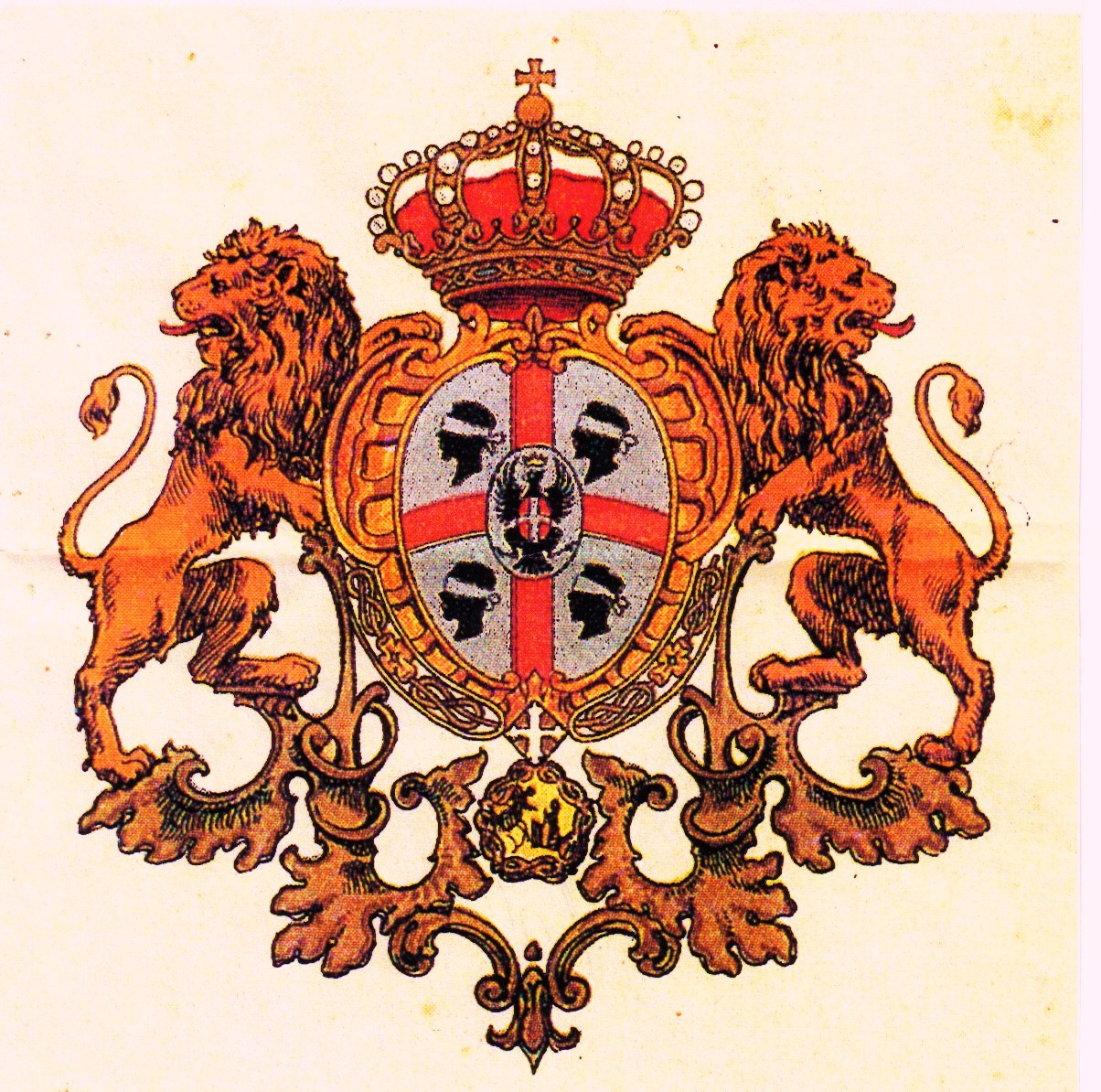
A historical European monarchy centered on the island of Sardinia and later the Savoy domains; under the House of Savoy (1720–1861) it became the nucleus of the modern Italian state.
Overview
The Kingdom of Sardinia was a European monarchy whose roots lay in medieval Mediterranean politics and whose later fortunes were tied to the dynastic possessions of the House of Savoy. Though named for the island, the kingdom's power base shifted to the Italian mainland where its rulers administered a composite state that combined the island of Sardinia with territories in northwestern Italy.
Image gallery
10 Images





Territory and institutions
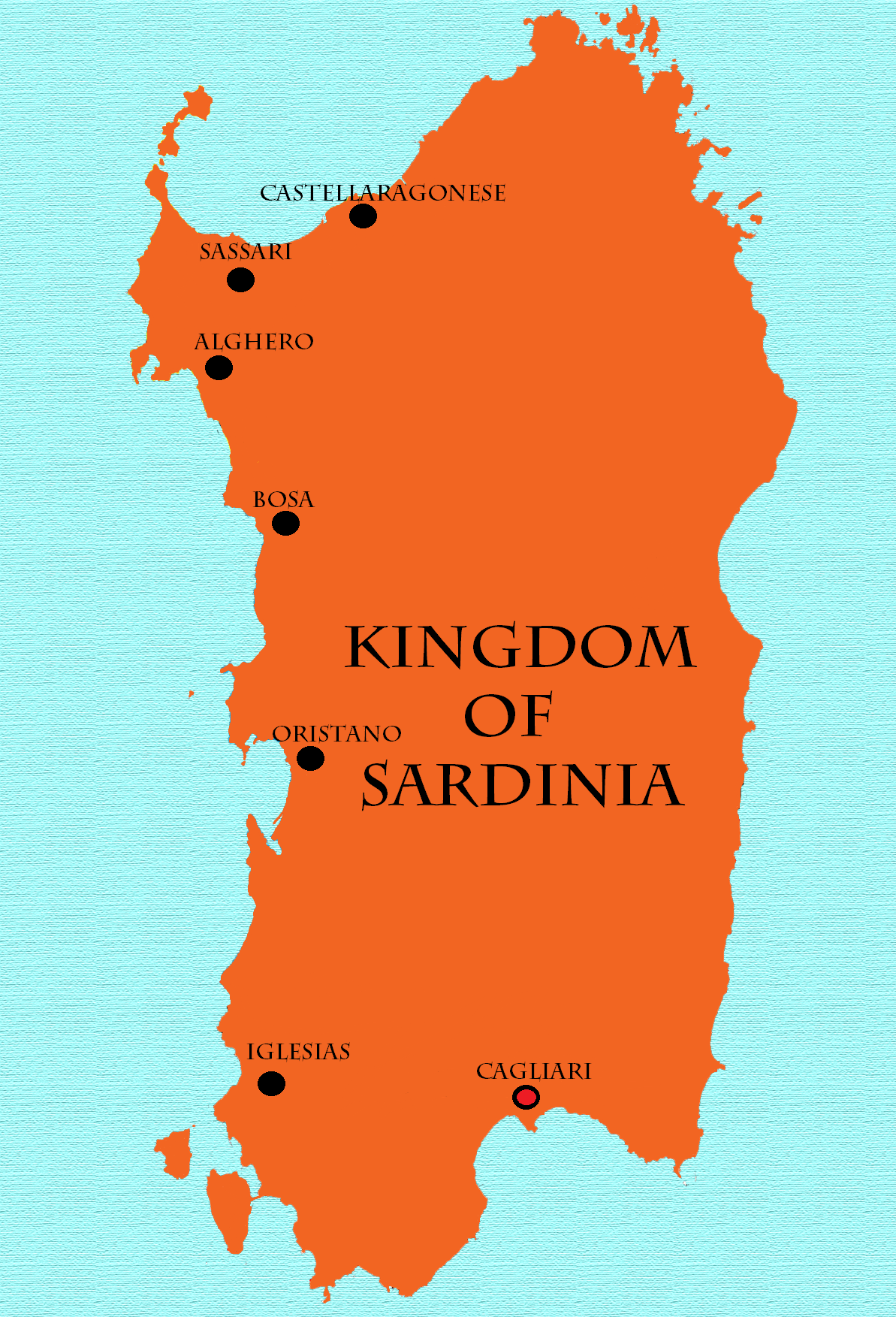
By the 18th and 19th centuries the kingdom comprised several distinct regions under one crown: the island of Sardinia itself and mainland domains centered on the Duchy of Savoy and the Principality of Piedmont. The ruling family, the House of Savoy, governed from the capital at Turin and administered the state through ministries and provincial officials. Over time the state's borders changed — most notably the addition of the former republic and port of Genoa in the early 19th century and later territorial adjustments with France.
Origins and dynastic change
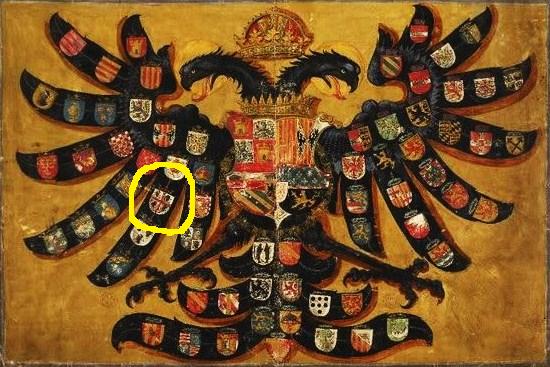
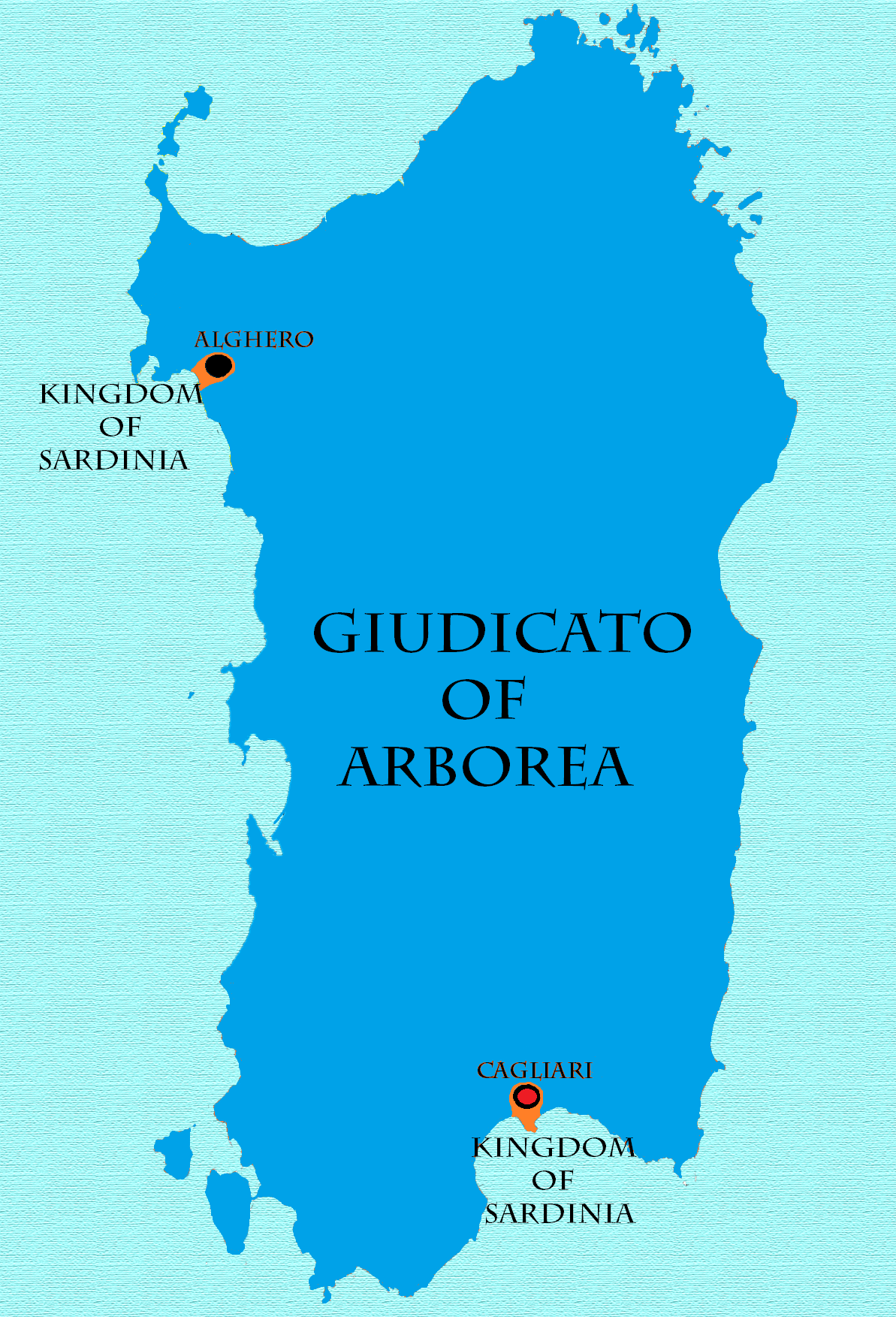
The kingdom's medieval foundations date to the early 14th century, when control of Sardinia was contested among regional powers and claims were shaped by papal grants and Aragonese expansion. During the early modern period Sardinia formed part of the Spanish Habsburg orbit; viceroys and imperial officials often ruled the island on behalf of distant monarchs—at times from the House of Habsburg. In the aftermath of European wars in the early 18th century the rulers of Savoy acquired the Sardinian crown (1720), transforming their ducal domains into a kingdom that is sometimes referred to in source material as Sardinia–Piedmont.
Role in the 19th century and Italian unification
Under the Savoy dynasty the kingdom played a leading role in the diplomatic and military developments that produced a unified Italy. Statesmen and military leaders from Sardinia–Piedmont pursued alliances, liberal reforms and wars of unification that aligned the peninsula against foreign domination. The Savoyard monarchy provided the king who became the first monarch of a united Italy in 1861, a transformation that ended the kingdom's separate existence and converted its institutions into those of the new Kingdom of Italy.
Notable facts and distinctions
- Although its name evokes the island, much of the kingdom's administrative and political power lay on the mainland in Piedmont and Savoy lands; the dynasty retained a Sardinian royal title rather than a purely regional label.
- Corsica had been a related Mediterranean prize and its control was disputed in the same era; the island's history intersected with Sardinia's though Corsican sovereignty followed a different course (Corsica).
- Claims and investitures by the Popes played a recurring legal and symbolic role in medieval and early modern legitimacy for islands and maritime possessions of the western Mediterranean.
The Kingdom of Sardinia is therefore best understood as a composite state that evolved from medieval island rule into the continental power of Sardinia–Piedmont. Its dynastic continuity under the House of Savoy and political reforms in the 19th century made it the principal architect of Italian unification and the direct predecessor of the modern Italian monarchy.
Questions and answers
Q: What was the Kingdom of Sardinia?
A: The Kingdom of Sardinia was a monarchy that ruled the Italian island of Sardinia.
Q: When was the Kingdom of Sardinia established?
A: The Kingdom of Sardinia was established in 1324.
Q: Who was the Kingdom of Sardinia given to?
A: The Kingdom of Sardinia was given to the House of Habsburg.
Q: Who ruled the Kingdom of Sardinia after the House of Habsburg?
A: The Kingdom of Sardinia was ruled by the House of Savoy after the House of Habsburg.
Q: What was the Kingdom of Sardinia sometimes referred to as?
A: The Kingdom of Sardinia was sometimes referred to as Sardinia-Piedmont.
Q: Who ruled the Kingdom of Sardinia from 1720 to 1861?
A: The Savoy family ruled the Kingdom of Sardinia from 1720 to 1861.
Q: What was the capital of the Kingdom of Sardinia under the Savoy family?
A: The capital of the Kingdom of Sardinia under the Savoy family was Turin.
Related articles
Author
AlegsaOnline.com Kingdom of Sardinia: history, territory, and role in Italian unification Leandro Alegsa
URL: https://en.alegsaonline.com/art/53608