
Kinderdijk: Dutch windmills and polder drainage heritage
Kinderdijk is a hamlet in South Holland renowned for its 18th‑century windmills that drained polders; a UNESCO World Heritage Site and popular example of Dutch water management and cultural landscape.
Overview
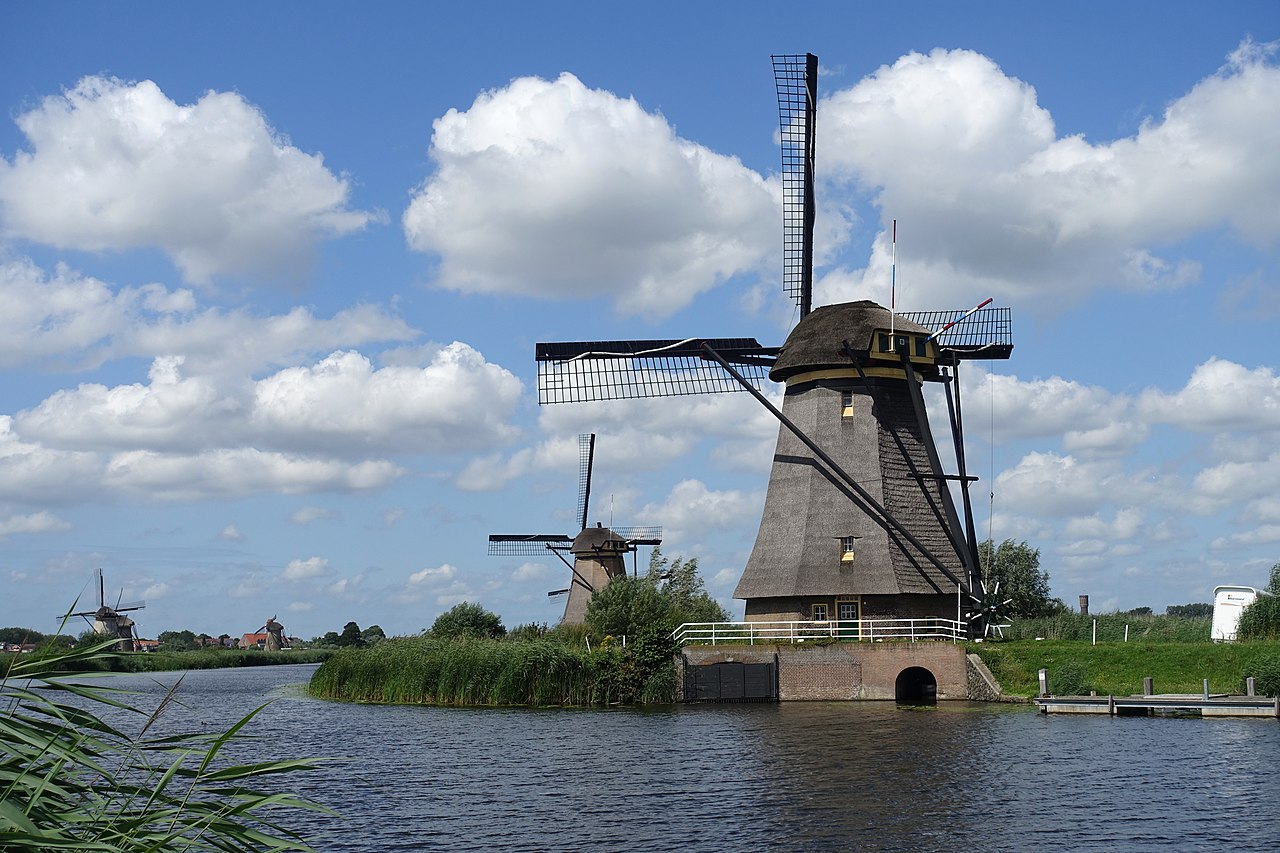
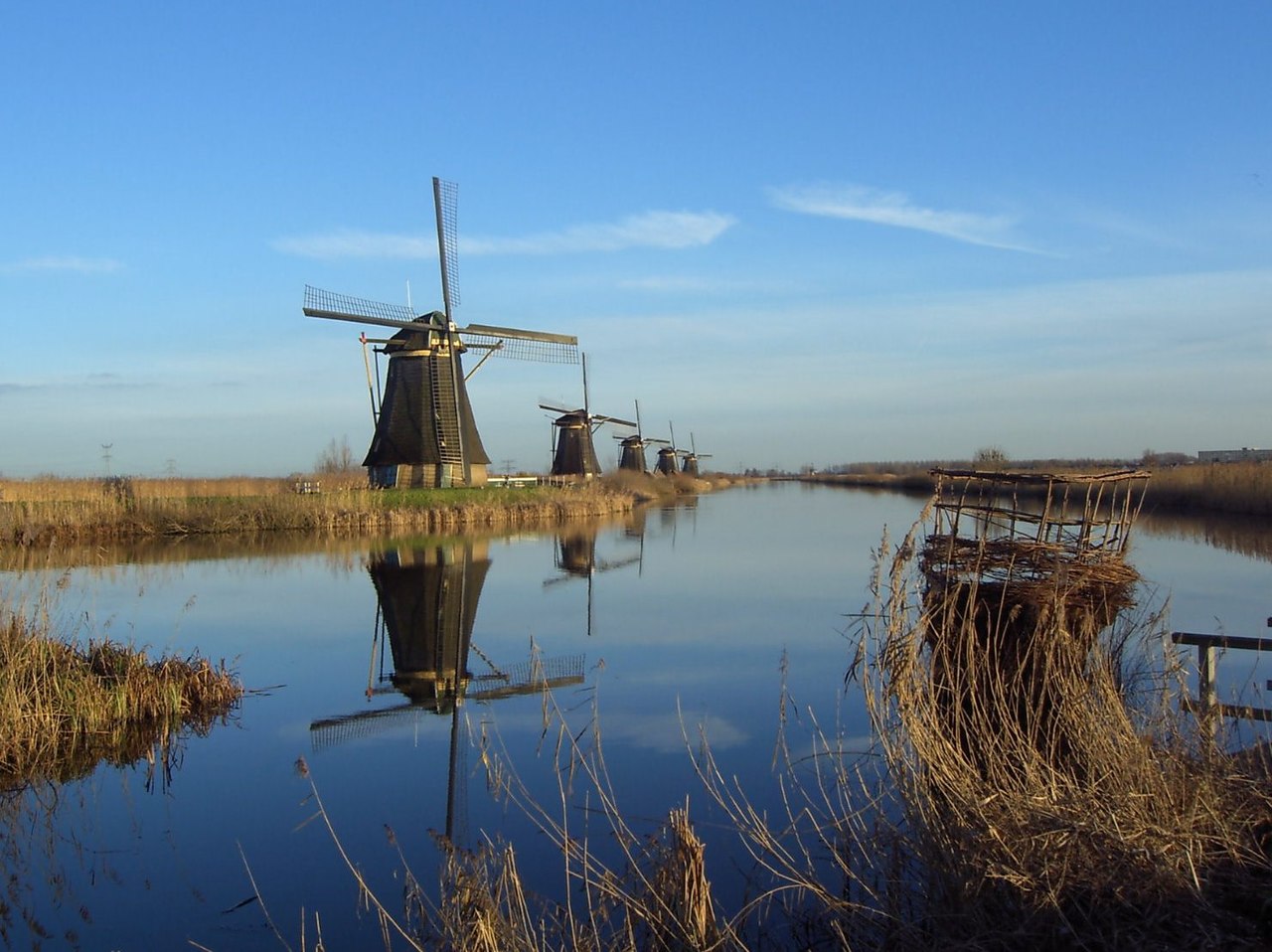
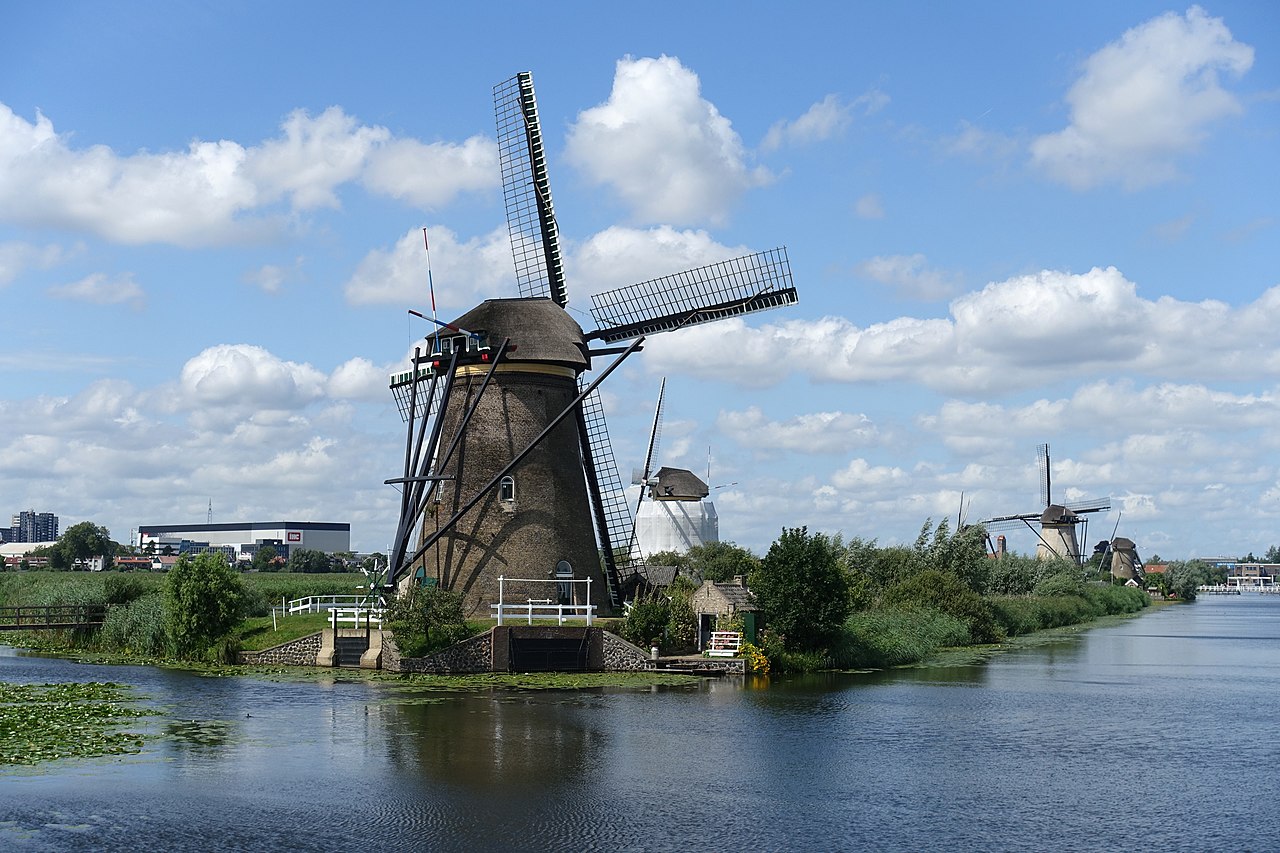
Kinderdijk is a small settlement in the province of South Holland, in the western part of the Netherlands. It lies in the northeast of the municipality of Molenlanden, at the junction where the Lek and Noord rivers meet. The site is best known for a closely grouped series of historic windmills that line the dikes and canals, and the coordinates commonly given for the area are shown as 51°53′N 4°39′E.
Image gallery
9 Images





Significance and designation
Kinderdijk’s mills are an emblematic example of the Dutch battle against water. Their cultural and technological value earned the village recognition by UNESCO, which lists the location as a World Heritage Site. The designation highlights both the historic engineering achievement and the landscape that resulted from centuries of polder reclamation and management.
History and origin
The windmills at Kinderdijk date mainly from the 18th century and were constructed to pump excess water from low-lying polders into higher waterways. Built after recurring flood problems and rising groundwater, they formed part of an organized drainage system that kept farmland and settlements dry. The popular name "Kinderdijk" ("children's dike") is associated with a local legend about a child rescued from flood waters in a wicker cradle; this tale has entered local folklore but does not replace the practical origin of the site.
Characteristics of the site
There are nineteen windmills arranged along two parallel dikes; they are traditional Dutch drainage mills with large sails, wooden and thatched bodies, and mechanisms to lift and move water. They operate together as a system of sluices, canals and basins that once depended primarily on wind power. While modern electric pumping stations have largely replaced wind-driven pumping for everyday water control, many mills are conserved, maintained and capable of operating for demonstration purposes.
Visiting, use and conservation
Kinderdijk is a popular destination for visitors interested in engineering history, rural landscapes and heritage. The area can be explored on foot, by bicycle or on boat tours that follow the canals; several of the mills are open to the public as small museums or exhibition spaces. Preservation efforts focus on maintaining the structures, their machinery and the surrounding polder landscape so that the site remains both educational and representative of traditional water-management methods.
Notable facts
- Number of mills: nineteen, set along two dikes that face the surrounding polders.
- Purpose: historic drainage and water control for the reclaimed land, demonstrating collective engineering solutions.
- Heritage status: recognized by UNESCO as a cultural landscape and water-management ensemble; see the World Heritage listing for details.
- Location and administration: part of Molenlanden in South Holland, Netherlands.
The combination of technical function, historic architecture and scenic setting makes Kinderdijk a widely cited example of how communities engineered their environment. Information, visitor resources and further context are available through regional heritage and tourism channels that document the mills and their continuing cultural importance.
Related articles
Author
AlegsaOnline.com Kinderdijk: Dutch windmills and polder drainage heritage Leandro Alegsa
URL: https://en.alegsaonline.com/art/53507