
King David Hotel (Jerusalem): history, architecture, and significance
Landmark luxury hotel in Jerusalem, opened 1931. Known for hosting heads of state and for the 1946 bombing during the British Mandate; a site of political, diplomatic and cultural importance.
Overview
The King David Hotel is a landmark luxury hotel in Jerusalem noted for its historical role in the city and its long association with visiting dignitaries. Opened in 1931 by the Jewish‑Egyptian banker Ezra Mosseri, the property stands on elevated ground offering views toward the Old City. It functions today as a preferred accommodation for foreign heads of state, senior diplomats, and official delegations, and also serves private guests and cultural events. For location details see coordinates and map and for official visitor information see the hotel's information page at official hotel site.
Image gallery
9 Images






Architecture and location
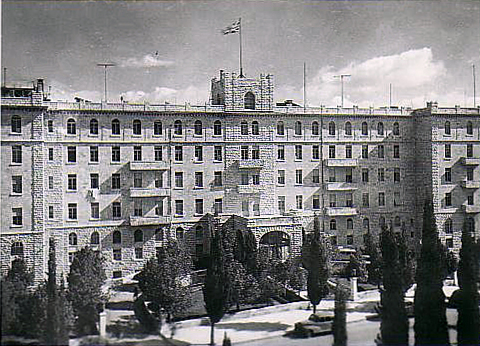
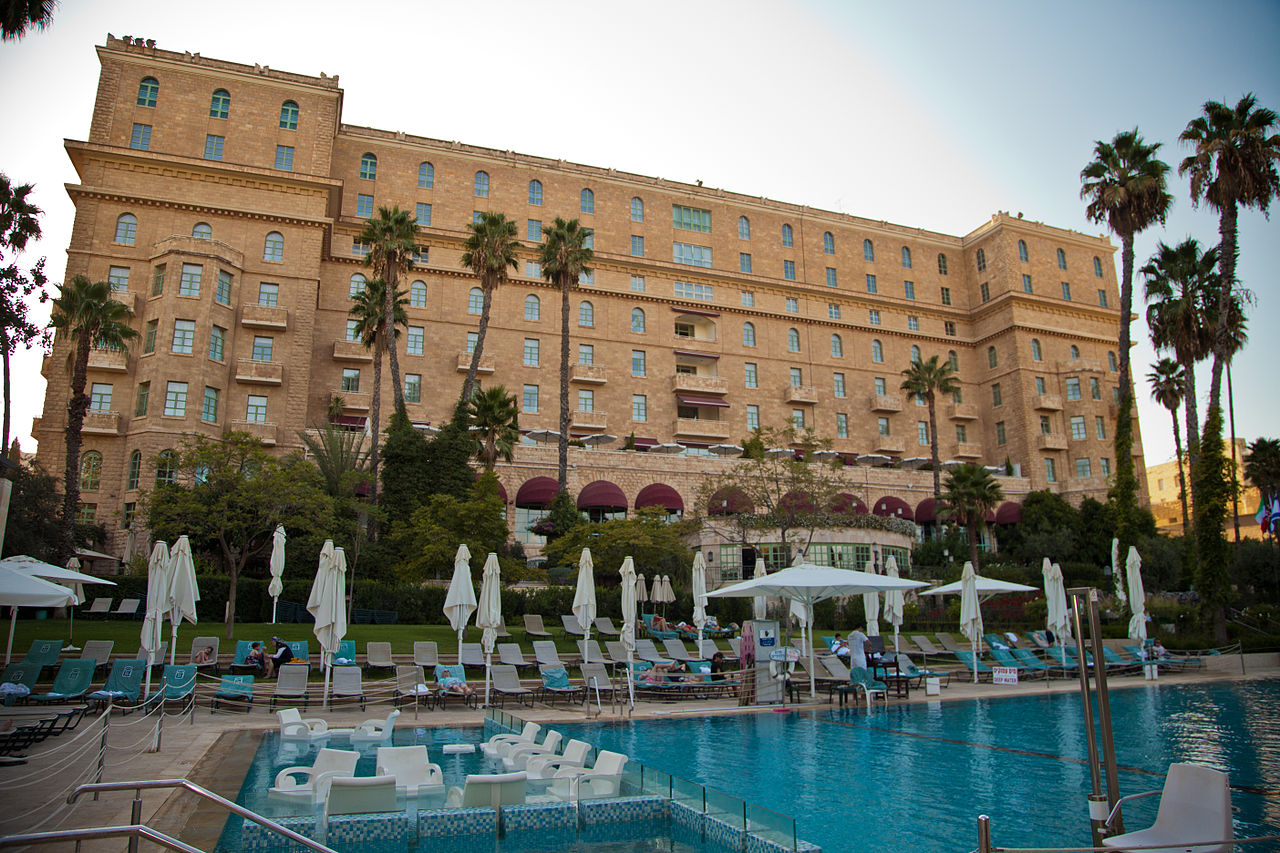
Built in the early 20th century, the hotel combines the scale and comforts of a grand European hotel with local stonework and regional decorative touches. Its terraces, reception rooms and dining areas were designed to host formal receptions and social occasions, while guest rooms have been modernized over time to meet contemporary standards. The building's prominent siting near central Jerusalem has made it both a practical base for official visitors and a visible urban landmark; municipal and tourism resources reference its role in the city's fabric at Jerusalem information pages.
History and the 1946 bombing
During the British Mandate period the southern wing of the King David Hotel housed the British administrative headquarters for Palestine. On 22 July 1946, the Irgun, a Jewish underground organization, detonated bombs in the hotel's administrative section. The attack killed approximately 91 people and injured many others, with victims drawn from different communities and nationalities. The bombing had profound political consequences, intensified debate about strategy and violence in the mandate period, and remains one of the most controversial episodes in the hotel's—and the region's—modern history. The hotel today contains commemorative references to that event and its victims.
Role, uses and legacy
Since the establishment of the State of Israel the King David Hotel has continued as a venue for state visits, diplomatic meetings, and high‑profile ceremonies. It is often selected for receptions, press conferences, and international delegations because of its security capabilities and symbolic stature. The hotel also attracts tourists for its historical associations and proximity to major Jerusalem sites; broader context about its relationship with government functions can be found via official channels at government and diplomatic guidance.
Notable facts and distinctions
- Opened in 1931 by Ezra Mosseri, it quickly became the city's leading luxury hotel.
- Its southern wing served as the British administrative headquarters during the Mandate.
- The 1946 bombing remains a subject of historical study and public memory.
- Today it combines hospitality services with a role as an official accommodation for visiting dignitaries.
The King David Hotel occupies an unusual place where hospitality, politics and memory intersect. Its architecture and public functions reflect the city's layered history, and its story is often cited in broader accounts of Jerusalem during the 20th century. For further reading and visitor guidance consult the linked resources above.
Related articles
Author
AlegsaOnline.com King David Hotel (Jerusalem): history, architecture, and significance Leandro Alegsa
URL: https://en.alegsaonline.com/art/53531