
Khartoum: Sudan's capital at the Nile confluence
Khartoum, Sudan’s capital and largest city, lies at the meeting point of the Blue and White Nile. This entry covers its geography, history, urban structure, economy, culture, institutions and contemporary challenges.
Overview
Khartoum is the capital and largest city of Sudan, situated at the point where the Blue Nile meets the White Nile. Its Arabic name, الخرطوم, is commonly rendered in English and is often associated with the image of an elephant tusk, a reference linked in traditional accounts to a bend in the river near the city. Khartoum serves as the political, administrative and economic core of the country and anchors a larger metropolitan area that includes neighboring Omdurman and Khartoum North.
Image gallery
10 Images



Geography and climate
Located on flat, alluvial land at the Nile confluence, Khartoum’s urban fabric reflects its riverside setting: government and commercial districts cluster near the waters, while residential and industrial areas extend outward. The city lies within a region classified as hot desert (BWh) under the Köppen climate system, with very hot summers, generally dry conditions, and a brief rainy season that provides most annual precipitation. The contrast between irrigated, verdant riverbanks and the surrounding arid plains is a defining environmental feature.
History and development
The site that became Khartoum developed in the 19th century as a military and trading post during the period of Egyptian-Ottoman administration of the Sudanese territories. It later figured prominently in the upheavals of the late nineteenth century and in colonial-era administration. In the twentieth century Khartoum emerged as the capital of independent Sudan and experienced steady urban growth, fueled by administrative investment, educational institutions and migration from rural regions.
Tri-city conurbation and urban structure
Khartoum forms one component of a tri-city agglomeration with Omdurman to the west and Khartoum North (often called Bahri) to the northeast. Each city has a distinct role: Omdurman is associated with historical markets and cultural life; Khartoum hosts national government institutions, universities and many diplomatic missions; Khartoum North is known for industry, transport links and river ports. Bridges across the Nile connect these municipal areas and help integrate the metropolitan economy.
Economy and infrastructure
The local economy combines public administration, services, manufacturing, banking and trade. The Nile remains an important transport corridor and supports nearby irrigated agriculture. Key infrastructure elements include road and rail links serving the wider country, river ports, and an international airport that connects Khartoum with regional hubs. Urban services and housing have expanded with population growth, while municipal systems face ongoing demands for improvement and extension.
Culture, education and landmarks
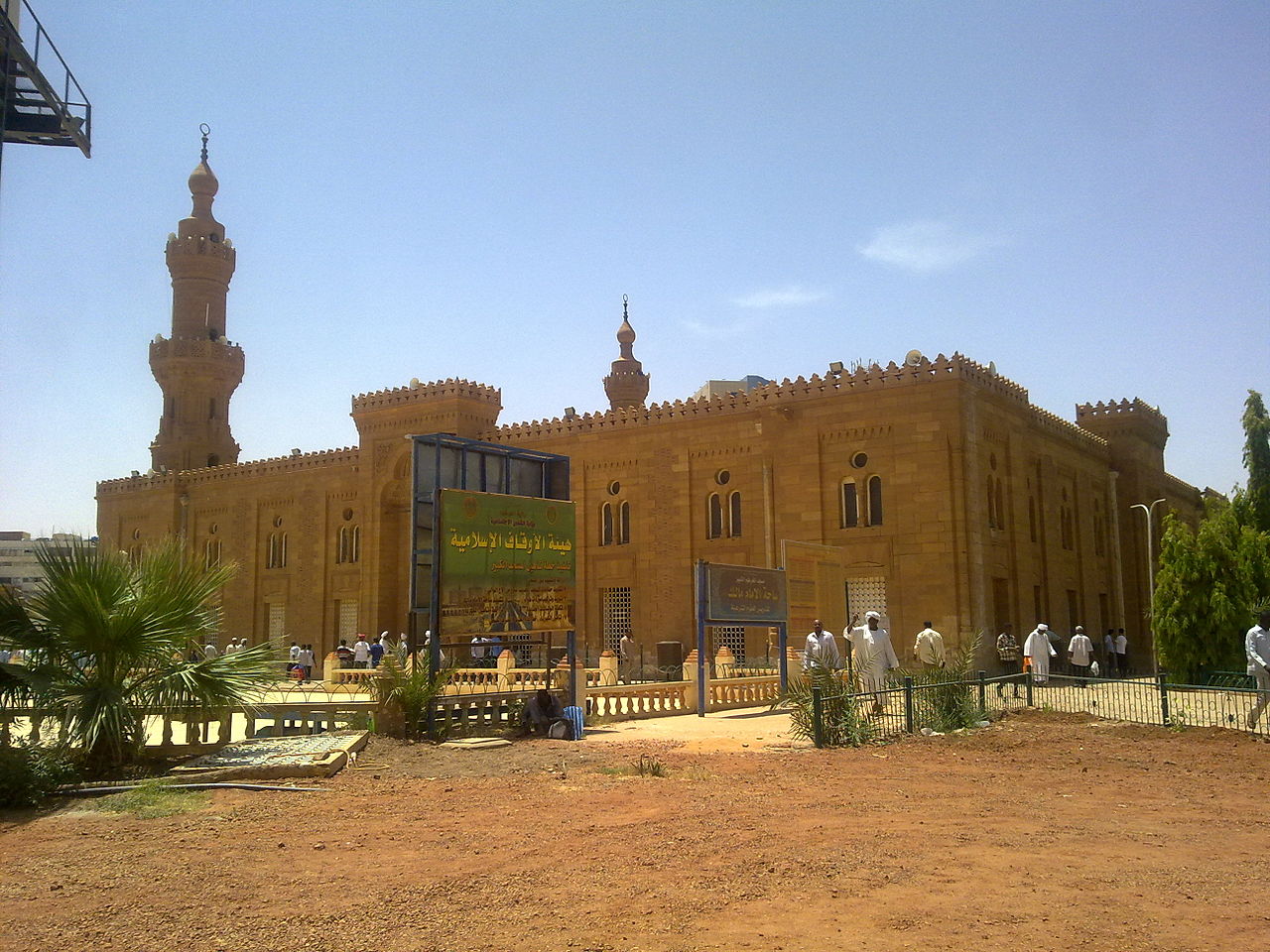
Khartoum is home to major educational institutions, including the principal public university, and to museums, cultural centres and active markets (souqs) that attract residents and visitors. Mosques and modern government buildings give the city a diverse built character. Traditional crafts, music and contemporary visual arts coexist with academic and intellectual life, making the city an important centre for Sudanese culture.
Environment, governance and challenges
Rapid urban growth, provision of water and sanitation, traffic and housing pressures, and the need for effective land and flood management are among the persistent challenges facing city planners and administrators. Khartoum’s strategic position at the Nile confluence gives it importance for national agriculture and transport, but also requires coordinated water management at local and regional levels.
Notable facts and further reading
- The Khartoum metropolitan area is Sudan’s largest urban region and the centre of national politics and administration.
- The city’s name and historical forms are rooted in Arabic usage; further linguistic and historical notes are available in sources tied to the Arabic form الخرطوم.
- For context on river systems see entries on the Blue Nile and the White Nile, and for climate classification consult materials linked to the hot desert climate category.
Additional topical overviews can be found in general summaries of capital cities, regional studies of Sudan, and thematic treatments of hydrology, urban planning and cultural heritage. For practical references, institutional and travel resources may list current services and landmarks in the Khartoum area.
Related articles
Author
AlegsaOnline.com Khartoum: Sudan's capital at the Nile confluence Leandro Alegsa
URL: https://en.alegsaonline.com/art/53208