
Khaled Hosseini
Afghan-born novelist and former physician whose novels—The Kite Runner, A Thousand Splendid Suns, And the Mountains Echoed—explore family, memory and life in Afghanistan.
Overview
Khaled Hosseini is an Afghan-born novelist and humanitarian who achieved international recognition for fiction that illuminates Afghan society, displacement and the bonds of family. He emigrated to the United States as a teenager and later trained in medicine before turning to full-time writing. His novels, written in English, combine intimate personal narratives with broader historical changes in Afghanistan, and have been translated into many languages.
Image gallery
4 Images


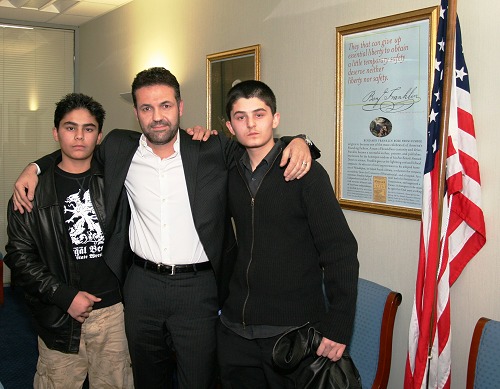
Biography
Born in Afghanistan and raised in a household influenced by both Afghan and cosmopolitan traditions, Hosseini's experiences of migration and exile inform much of his work. He left Afghanistan as a youth and grew up and studied in the United States, where he completed medical training. His background in medicine and exposure to refugee stories contributed to his compassionate portrayals of suffering, survival and moral complexity.
Major works
Hosseini's best-known novels include:
- The Kite Runner (2003) — his debut novel about friendship, betrayal and redemption set against Afghanistan's turbulent recent history.
- A Thousand Splendid Suns (2007) — a multi-decade narrative centered on the lives and struggles of two Afghan women.
- And the Mountains Echoed (2013) — an interlinked family saga that explores separation, memory and the long echoes of decisions across generations.
Themes and style
Hosseini favors a realist, character-driven approach: clear narrative prose, close attention to personal relationships and emotionally direct scenes. Common themes are familial loyalty and betrayal, the effects of war and displacement, guilt, and the search for forgiveness. His novels often use a single family's experiences to make wider historical events feel immediate and personal.
Humanitarian work
Beyond literature, Hosseini has been active in humanitarian causes related to Afghanistan: supporting health and education projects, refugee assistance and public awareness initiatives. He established a private foundation to fund relief efforts and has used his public profile to draw attention to the needs of displaced and vulnerable communities.
Reception and legacy
Hosseini's books have reached broad popular audiences and inspired adaptations for stage and screen, notably the film and theatrical versions of his debut. Critics and readers often praise his capacity to humanize large political events, while discussions continue about representation and narrative perspective. His work has introduced many international readers to Afghan life and the human consequences of conflict.
Selected notes
- Hosseini writes primarily in English but centers Afghan characters, settings and cultural concerns.
- His novels are widely read in book groups and courses on contemporary fiction, migration and human rights.
- He remains engaged in philanthropic efforts tied to Afghanistan and to refugees worldwide.
Related articles
Author
AlegsaOnline.com Khaled Hosseini Leandro Alegsa
URL: https://en.alegsaonline.com/art/53169