
Khalid bin Abdulaziz Al Saud — King Khalid of Saudi Arabia
King Khalid (1913–1982), fourth monarch of Saudi Arabia (1975–1982). His reign oversaw oil-driven modernization, major regional events of 1979, and a gradual transfer of executive duties to Crown Prince Fahd.
Overview
Khalid bin Abdulaziz Al Saud (13 February 1913 – 13 June 1982) served as the fourth King of Saudi Arabia from 1975 until his death in 1982. He became king following the death of his brother, King Faisal, and presided over a period marked by rapid economic change, internal security challenges and evolving international relations.
Image gallery
10 Images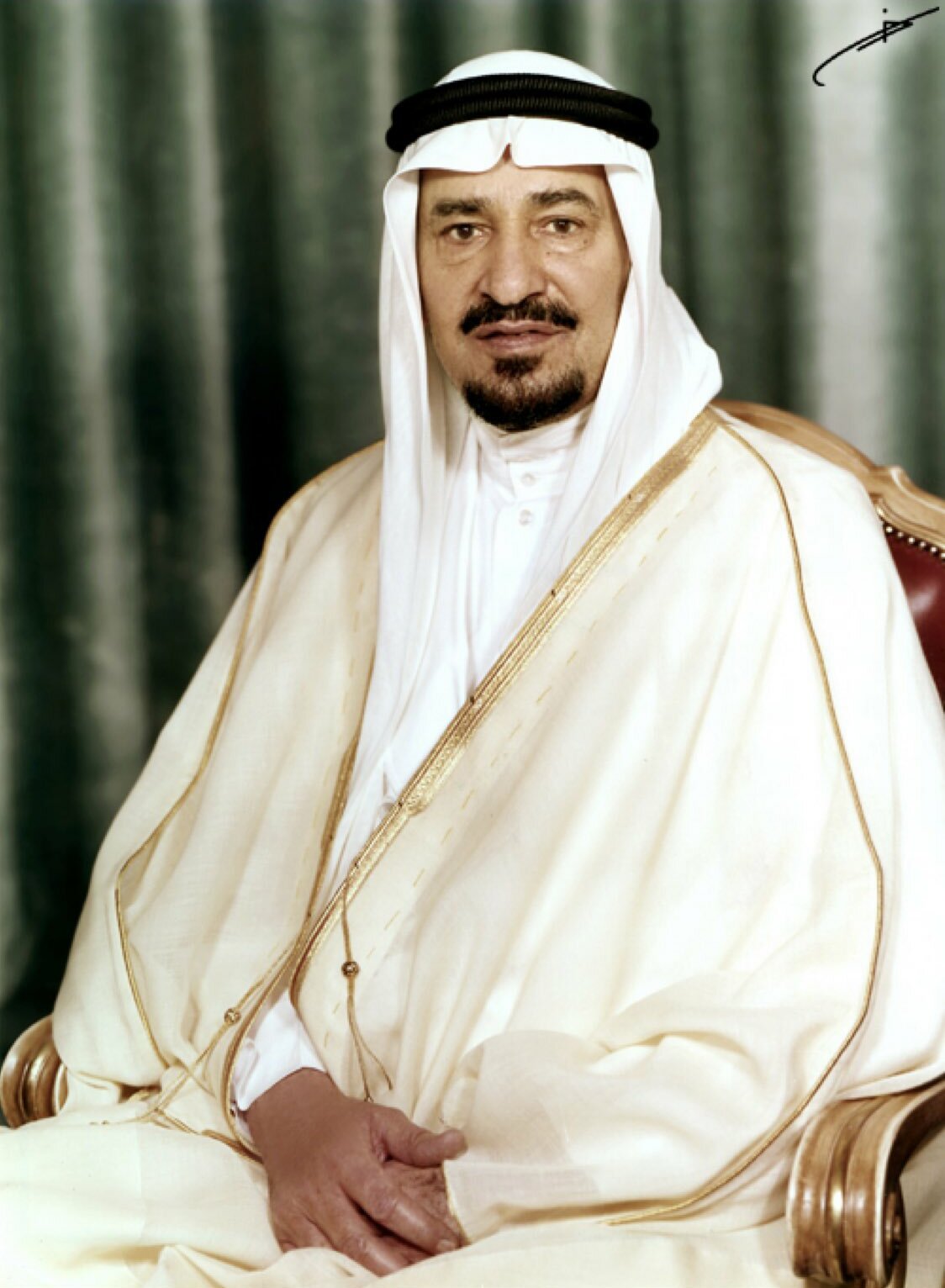




Background and family
Born in 1913, Khalid was one of the many sons of Ibn Saud, the founder of the modern Saudi state. Like other senior members of the Al Saud family, his position reflected both dynastic seniority and the consensus-based nature of governance among the royal brothers. He spent his life within the framework of the Saudi royal household and its institutions.
Reign: policy and major events
King Khalid's reign coincided with a period when oil revenues profoundly expanded the kingdom's budget and capacity for public spending. The state invested heavily in infrastructure, health care, education and urban development. At the same time, the kingdom faced significant regional upheaval and internal security incidents that shaped policy priorities.
- Economic and developmental expansion linked to the oil boom.
- Security and political repercussions from events in 1979, including the Grand Mosque seizure and the Iranian Revolution.
- Stronger diplomatic and security ties with Western partners amid fluctuating global energy markets.
Governance style and succession
Although king in title, Khalid was generally described as cautious and consensus-oriented. Much of the day-to-day administration and policy implementation during his reign was handled by senior princes and ministers, notably his Crown Prince, Fahd, who emerged as a central figure in government affairs. On Khalid's death, Fahd succeeded him as king, continuing many development programs and state initiatives.
Death and legacy
King Khalid died of a heart attack in Ta'if on 13 June 1982. His seven-year reign is often seen as a transitional era in which oil wealth financed rapid modernization while conservative social structures and the religious establishment remained influential. He is remembered as a stabilizing figure during a volatile decade in the Middle East and as one of the principal sons of the kingdom's founder.
Related articles
Author
AlegsaOnline.com Khalid bin Abdulaziz Al Saud — King Khalid of Saudi Arabia Leandro Alegsa
URL: https://en.alegsaonline.com/art/53173
Sources
- questia.com : "Khalid ibn Abdulaziz Al Saud"