
Khalid Mahmud (judge) — Pakistani Islamic scholar and Supreme Court jurist
Pakistani Sunni Islamic scholar and jurist Khalid Mahmud (1925–2020) served on the Supreme Court, founded the Islamic Academy in Manchester, and wrote on the doctrine of the Finality of Prophethood.

Overview
Khalid Mahmud (17 October 1925 – 14 May 2020) was a Pakistani Sunni Islamic scholar and jurist. Born in Lahore, he combined a legal career with active religious scholarship and public engagement. He is widely remembered for his service as a judge of the Supreme Court of Pakistan and for founding an educational and community institution in the United Kingdom.
Image gallery
1 Image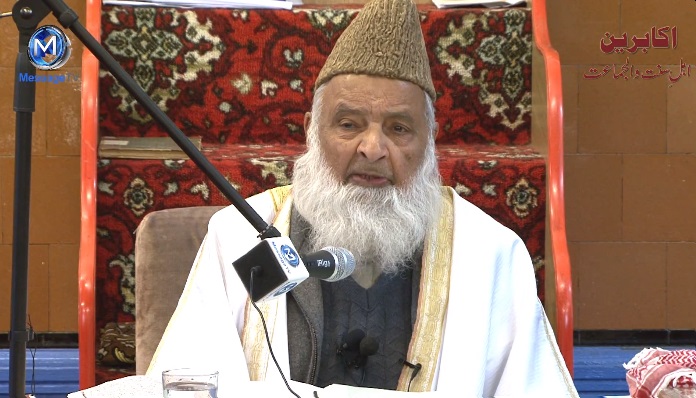
Career and public service
Mahmud held positions in the legal system of Pakistan and rose to serve on the nation's highest court. Alongside his judicial responsibilities, he maintained a public profile as a learned Islamic authority, offering legal and theological commentary on contemporary matters. His background straddled law, religious studies and community leadership, which shaped his approach to public debate and institutional work.
Scholarship and themes
As an author and speaker, Khalid Mahmud addressed several recurring topics. He wrote and lectured on Islamic theology, jurisprudence, and the boundaries of Muslim belief. A central focus of his work was the doctrine known in South Asia as the Finality of the Prophethood (Khatm‑e‑Nubuwwat), a subject on which he produced numerous essays and participated in theological discussions. His output included:
- Expositions on doctrinal points and classical texts.
- Legal reflections where Islamic principles intersected with civil law.
- Defensive and explanatory material relating to orthodox Muslim beliefs.
Islamic Academy in Manchester and community work
Later in life Mahmud established the Islamic Academy in Manchester to promote study, dialogue and religious education within the British Muslim community. The academy offered lectures, publications and community programmes aimed at both scholarship and practical guidance. This institution became a focal point for his educational activities and outreach outside Pakistan, reinforcing his reputation as a transnational voice in Sunni scholarship. See the academy's role and programmes via Islamic Academy in Manchester.
Legacy and notable facts
Khalid Mahmud is remembered for bridging judicial service and religious scholarship. He was regarded by supporters as a careful defender of traditional doctrine and by colleagues as a jurist concerned with the application of legal and moral norms. His origins in Lahore and later residence in the United Kingdom reflect the transregional character of his work and influence.
Death
Mahmud died in Manchester on 14 May 2020 at the age of 94. Reports indicate his death followed complications connected with a fractured hip. His passing prompted reflections from legal, religious and community figures who noted his long career as both a judge and a scholar.
Related articles
Author
AlegsaOnline.com Khalid Mahmud (judge) — Pakistani Islamic scholar and Supreme Court jurist Leandro Alegsa
URL: https://en.alegsaonline.com/art/53172
Sources
- dud.edu.in : "Mutakalimeeen-e-Islam"
- jang.com.pk : "مفکر اسلام علامہ ڈاکٹر خالد محمود انتقال کرگئے، انا للہ و انا الیہ راجعون"
- nawaiwaqt.com.pk : "عقیدہ ختم نبوت سمیت سینکڑوں کتابوں کے مصنف جسٹس (ر) خالد محمود مانچسٹر میں انتقال کر گئے"