
Kenneth Williams (1926–1988): British comic actor and broadcaster
British comic actor Kenneth Williams was known for his roles in the Carry On films, distinctive voice and radio comedy. He kept revealing diaries and remains a notable figure in 20th‑century British entertainment.
Kenneth Williams (22 February 1926 – 15 April 1988) was an English comic actor, voice artist and broadcaster whose distinctive delivery and comic timing made him one of the most recognisable figures of mid‑20th century British entertainment. He built a long career on stage, radio, television and film, and is often remembered for his contributions to the Carry On series as well as for his radio work and monologues.
Image gallery
2 Images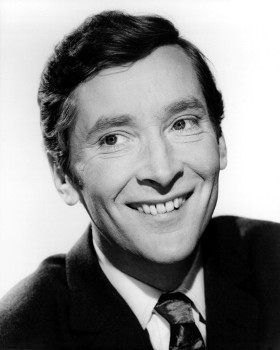

Career and major work
Williams performed in a variety of media. On film he was a familiar presence in the long-running Carry On comedies, appearing in many of the series entries including 26 Carry Ons. On radio he was a regular on popular comedy programmes of the 1950s and 1960s, developing memorable characters and sketches. He also acted in television comedies and dramatic roles, and continued to work on stage in revues and West End productions throughout his career.
Style and public persona
His comic persona combined a high‑pitched, precise vocal style with exaggerated facial expressions and an apparent mixture of camp and snobbery that he used for satirical effect. Williams was also a gifted reader of comic monologues and sketches, and he used timing and vocal variation to create vivid, often bawdy characters. That distinctive voice made him a sought‑after performer for character parts and voice work.
Personal life
Kenneth Williams was born in North London and lived much of his life in the city. He was gay, and his private writings and later published diaries reveal the tensions he experienced as a public figure in a period when attitudes to sexuality were less tolerant than today. He died in 1988 of a barbiturate overdose; his death prompted discussion about mental health and the pressures of show business.
Legacy and significance
Williams left a large body of recorded work that continues to attract attention from comedy historians and fans. His performances are cited for their influence on British comic acting and for the way they display the interplay of voice, characterisation and timing. Posthumous publications of his diaries and memoir material have also deepened public interest in his life and times.
Further reading and resources
- Selected filmography and credits
- Radio performances and recordings
- Stage and theatre appearances
- Biographical overview
- Carry On series details
- Television roles and broadcasts
- Recordings and spoken‑word work
- Contemporary reviews and profiles
- Discussion of personal life and sexuality
- Early life and North London background
- Reports on death and legacy
Related articles
Author
AlegsaOnline.com Kenneth Williams (1926–1988): British comic actor and broadcaster Leandro Alegsa
URL: https://en.alegsaonline.com/art/52906
Sources
- independent.co.uk : Kenneth Williams was glad to be gay