
Kaziranga National Park (Assam, India)
Kaziranga National Park in Assam protects floodplain grasslands, wetlands and forests and is best known for holding the majority of the world’s one‑horned rhinoceroses and significant tiger and elephant populations.
Overview
Kaziranga National Park occupies a broad stretch of the Brahmaputra floodplain in the state of India. Its landscape is a shifting mosaic of tall grasslands, marshes and riverine forests shaped by seasonal floods. The park is internationally important as the stronghold for the greater one‑horned rhinoceros (often called the Indian rhinoceros) and has been inscribed as a World Heritage Site for its natural values.
Image gallery
10 Images




Habitats and notable species
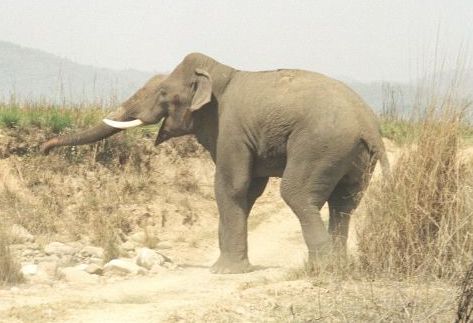
Kaziranga supports high densities of large herbivores and associated predators because of its productive floodplain habitats. It sustains breeding populations of tigers and significant herds of elephants, along with wild water buffalo and swamp‑adapted deer. The distribution and behaviour of these species are closely linked to the park’s seasonal water regime and grassland dynamics.
History and conservation
The protected area developed from local and colonial-era measures to reduce hunting and protect game species, later becoming a national park and a designated tiger reserve. Long‑term conservation efforts include anti‑poaching patrols, habitat management and regular wildlife censuses. These measures have helped recover populations of some species, notably the one‑horned rhino, although the park continues to face serious challenges.
Management, threats and research
Park management emphasises law enforcement, scientific monitoring and community engagement to reduce human‑wildlife conflict and safeguard habitats. Persistent threats include poaching, seasonal flooding that can be intensified by extreme weather, encroachment, and invasive plants. Ongoing research and monitoring — carried out by government bodies, universities and conservation organisations — inform adaptive strategies for species protection and landscape management.
Visiting, education and significance
Kaziranga is a major destination for wildlife tourism and environmental education; regulated safaris and interpretive programmes help connect visitors with conservation priorities while contributing to local livelihoods. The park’s role in protecting globally important populations of rhinoceros, tigers, elephants and wetland birds makes it a key focus of regional and international conservation work.
Questions and answers
Q: What is Kaziranga National Park?
A: Kaziranga National Park is a national park in India.
Q: What does Kaziranga National Park serve as a home for?
A: Kaziranga National Park serves as a home for two-thirds of the world's great one-horned rhinoceroses, tigers, elephants, wild water buffalo, and swamp deer.
Q: What recognition has been bestowed upon Kaziranga National Park?
A: Kaziranga National Park has been named a Tiger Reserve by the government of India and an Important Bird Area by BirdLife International.
Q: How many types of swamp deer exist in the world and where can we find one of them?
A: Only one type of swamp deer exists now and it is found in Kaziranga National Park.
Q: What is the significance of Kaziranga National Park being a World Heritage Site?
A: Being a World Heritage Site means that Kaziranga National Park holds immense global cultural or natural significance and protection.
Q: Why is Kaziranga National Park beneficial to the different species living there?
A: Kaziranga National Park is beneficial to the different species living there because it is a sanctuary where they are protected and their species can grow and develop.
Q: What group designated Kaziranga National Park as an Important Bird Area?
A: BirdLife International designated Kaziranga National Park as an Important Bird Area.
Related articles
Author
AlegsaOnline.com Kaziranga National Park (Assam, India) Leandro Alegsa
URL: https://en.alegsaonline.com/art/52620
Sources
- bbc.com : "Kaziranga: The park that shoots people to protect rhinos"
- news.bbc.co.uk : "Assam rhino poaching 'spirals'"
- whc.unesco.org : "Kaziranga National Park"
- projecttiger.nic.in : "NO.FRW- 6/2007/23"
- datazone.birdlife.org : "Kaziranga National Park"
- pib.nic.in : "Kaziranga National Park"
- iucnredlist.org : "Rucervus duvaucelii"
- news.bbc.co.uk : "Kaziranga's centenary celebrations"
- timesofindia.indiatimes.com : "85% of Kaziranga under water in its worst deluge since 1988"
- whc.unesco.org : "State of Conservation of the World Heritage Properties in the Asia-Pacific Region"
- enhancingheritage.net : "UNESCO EoH Project_South Asia Technical Report–Kaziranga National Park"
- kaziranga-national-park.com : "Wildlife in Kaziranga National Park"
- wayback.archive-it.org : "UN Kaziranga Factsheet"
- unep-wcmc.org : unep-wcmc.org