
Keighley, West Yorkshire
Keighley is a historic market town and civil parish in the City of Bradford, West Yorkshire, England, known for its industrial heritage, Cliffe Castle, and the Keighley & Worth Valley Railway.
Keighley is a town and civil parish in the metropolitan district of Bradford, in West Yorkshire, England. The surrounding valley and moorland give the town a mix of urban centres and rural fringe. 
Image gallery
10 Images
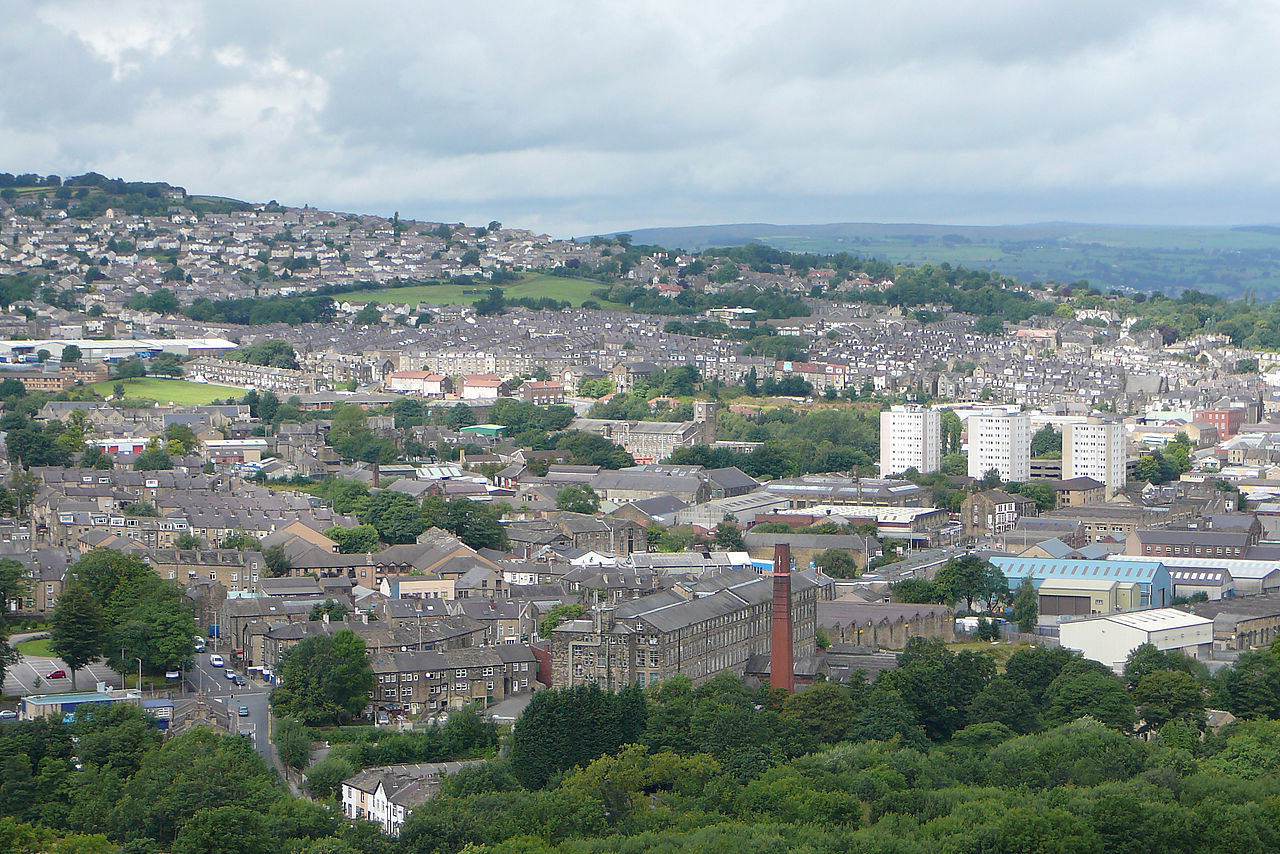


Origins and development
Keighley developed from a market and agricultural settlement into an industrial town during the 18th and 19th centuries. Like many West Yorkshire towns, it expanded rapidly with the rise of textile manufacturing, mills and associated trades. Much of the town’s built character — terraces, warehouses and civic buildings — reflects Victorian-era growth and investment.
Character and landmarks
Keighley retains several notable historic and cultural sites that attract visitors and serve the local community. These include:
- Cliffe Castle Museum and Park — a museum with period rooms, local collections and gardens.
- Keighley & Worth Valley Railway — a preserved heritage railway running through the Worth Valley that features steam services and has been used in film and television.
- Victorian civic architecture and former mill buildings that illustrate the town’s industrial past.
Economy, transport and community
The town’s economy has shifted from heavy reliance on manufacturing to a more mixed base of services, retail, light industry and tourism. Keighley has regular rail links to nearby urban centres, and the heritage railway is a significant tourist draw. Local events, markets and community organisations contribute to an active civic life.
Context and distinctions
Administratively, Keighley is a civil parish within the City of Bradford, and it forms part of the West Yorkshire region. For more detailed official information see the town entry Keighley, the civil parish details civil parish and regional context for West Yorkshire. The town’s mix of industrial heritage, nearby moorland and preserved railway make it a distinctive part of Yorkshire’s cultural and historical landscape.
Related articles
Author
AlegsaOnline.com Keighley, West Yorkshire Leandro Alegsa
URL: https://en.alegsaonline.com/art/52713
Sources
- ons.gov.uk : "Local statistics - Office for National Statistics"