
Keilor, Victoria
Keilor is a north‑western suburb of Melbourne, Victoria, Australia, known for its long Indigenous history, riverside parks, heritage buildings and a diverse residential community of about 16,468 people.
Overview
Keilor is a suburb on the north‑west fringe of Melbourne in the state of Victoria, Australia. It combines residential neighbourhoods with local shops, community facilities and substantial public open space set along a major river corridor. The suburb retains a mixture of older homes and newer developments and serves as a local service centre for surrounding areas.
Image gallery
3 Images

Indigenous and early history
The Keilor area sits on the traditional lands of the Wurundjeri people, who have a long and continuing cultural connection with the landscape. Archaeological investigations in river terraces nearby have demonstrated very early and enduring occupation of the region. European pastoral settlement emerged in the 19th century, and farms and homesteads from that era have left a visible imprint on the local built environment.
Population and community
Keilor has a diverse residential community. Census and local estimates identify a population of about 16,468 people, including long‑term residents and more recent arrivals. The suburb supports a range of community organisations, schools and sporting clubs that reflect its mixed suburban character and multi‑generational households.
Geography, parks and heritage
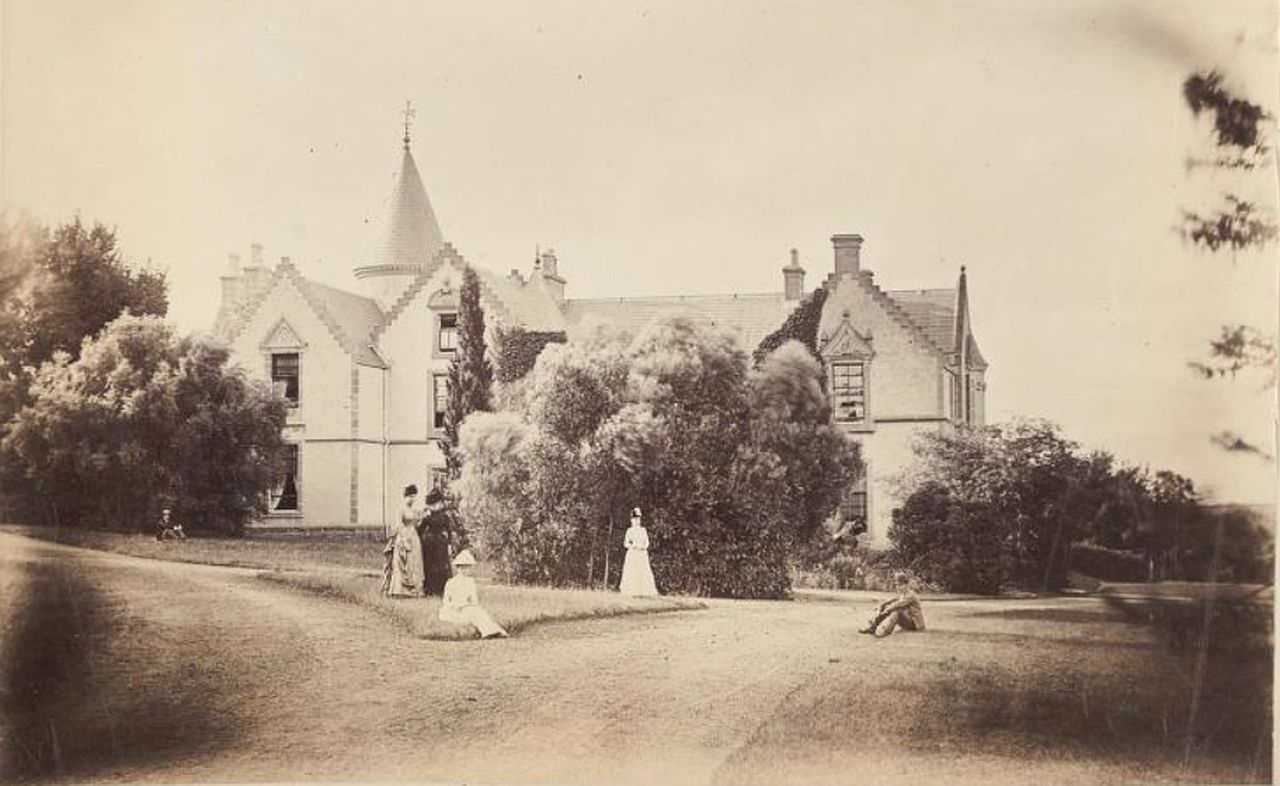
Keilor is notable for its riverfront reserves, walking trails and birdlife along the river valley. Public parks and picnic areas provide recreational opportunities and help conserve riverine vegetation. Several 19th‑century buildings and historic homesteads remain, and local planning often balances development with conservation of heritage places and archaeological sites.
Transport and amenities
- Local shopping strips, schools and health services cater to daily needs.
- Sports grounds and community centres host clubs and events.
- Road connections and public transport services link Keilor to central Melbourne and neighbouring suburbs.
- Walking and cycling routes along the river support outdoor recreation and provide wildlife viewing opportunities.
Significance
Keilor's significance lies in its combination of living community, accessible green space and layered cultural landscape—from the long standing Wurundjeri presence through colonial settlement to contemporary suburbia. Conservation of natural corridors and historic places remains an important part of local identity and planning efforts.
Questions and answers
Q: What is Keilor?
A: Keilor is a suburb located in Victoria, Australia.
Q: Who were the original inhabitants of Keilor?
A: The original inhabitants of Keilor were the aboriginal Wurundjeri people who lived in the area for over 40,000 years.
Q: When did European settlers arrive in Keilor?
A: European settlers arrived in Keilor in 1803.
Q: How many people live in Keilor currently?
A: The current population of Keilor is 16,468 people.
Q: What is the significance of the Wurundjeri people in Keilor's history?
A: The Wurundjeri people were the original inhabitants of Keilor and lived there for thousands of years before European settlers arrived. Their culture and way of life have had a significant impact on the history and development of the area.
Q: What is the location of Keilor?
A: Keilor is located in the state of Victoria, Australia, and is a suburb of Melbourne.
Q: What is the historical chronology of Keilor?
A: Keilor was originally inhabited by the Wurundjeri people who lived there for over 40,000 years. In 1803, European settlers arrived in the area. Today, Keilor has a population of 16,468 people.
Related articles
Author
AlegsaOnline.com Keilor, Victoria Leandro Alegsa
URL: https://en.alegsaonline.com/art/52721