
Kasana (Gurjar clan)
Kasana is a clan (gotra) associated with the Gurjar community of South Asia, with communities concentrated across parts of Pakistan, India, and Afghanistan.
Overview
The Kasana are a named clan or gotra historically associated with the broader Gurjar community. In South Asian social organization, a gotra or clan name like Kasana identifies extended lineage and plays a role in marriage rules, local identity, and social networks. References to Kasana usually appear in regional accounts of rural and pastoral populations rather than as a separate caste or tribe on its own.
Image gallery
10 Images





Distribution and communities
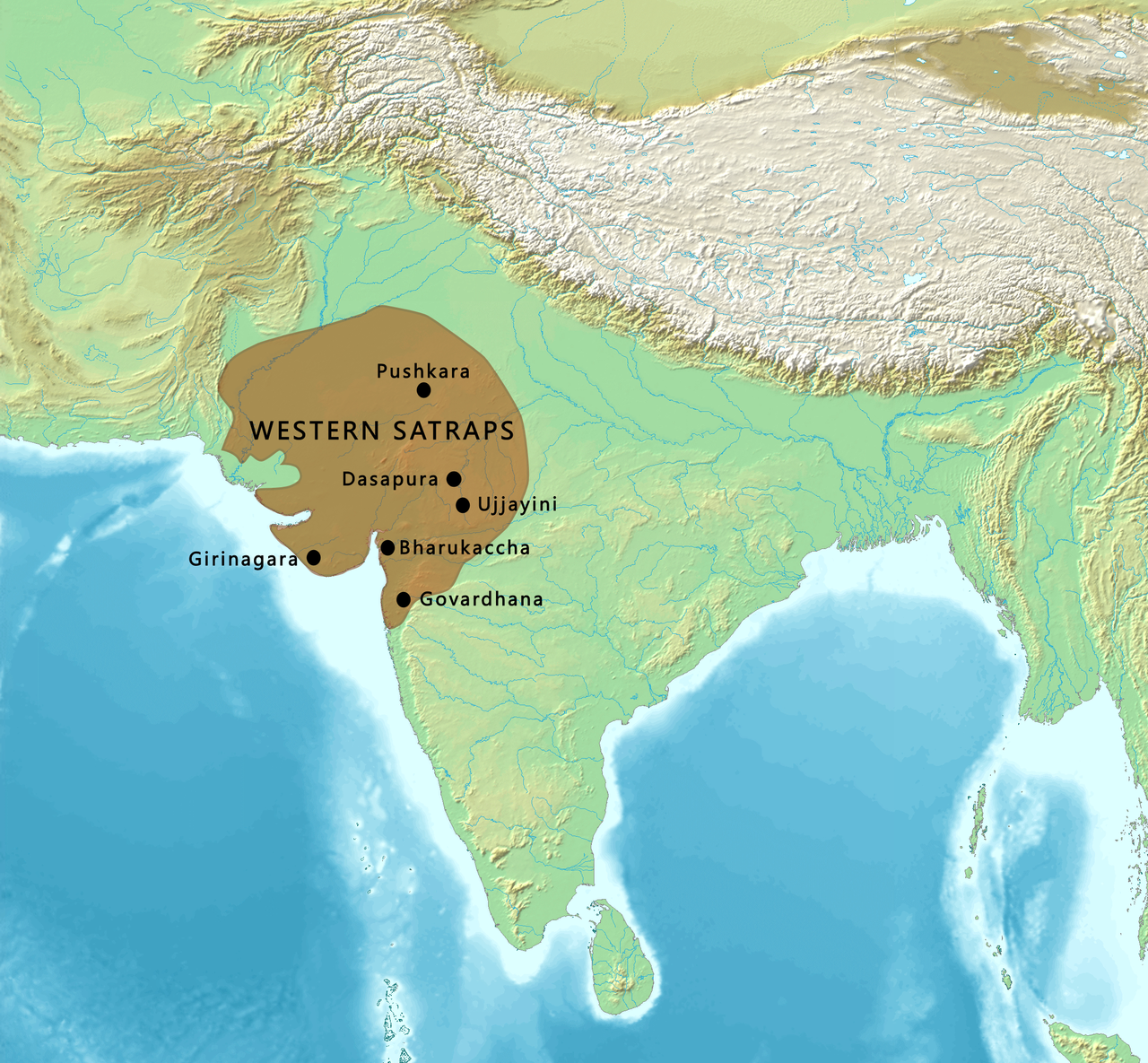
Kasana families are found across parts of South and Central Asia. They have an established presence in Pakistan, in various states and provinces of India, and in parts of Afghanistan. Within India and Pakistan, Kasana groups are most often recorded in northern and western regions where Gurjar populations are concentrated.
Characteristics and social organization
As a clan name, Kasana functions within the kinship system of exogamous lineages. Members of the same gotra traditionally avoid marriage with one another, following rules intended to maintain genetic and social ties with other groups. Kasana identity is typically expressed alongside regional, occupational, or religious affiliations rather than replacing them.
History and identity
The origins of Gurjar communities, including clans such as Kasana, are the subject of multiple scholarly views and local traditions. Over centuries Gurjars engaged in pastoralism, agriculture, and regional service, adapting to changing polities and borders. Kasana lineage identity has been maintained through oral genealogies, local records, and community institutions.
Contemporary life and occupations
- Many Kasana continue agricultural and animal-husbandry livelihoods in rural areas.
- Others are employed in urban trades, government service, or the armed forces.
- Community ties remain important for marriage arrangements, dispute resolution, and cultural events.
Notable distinctions
Kasana should be understood as a clan label within the complex social mosaic of South Asia rather than as a single homogeneous group. The same or similar surnames may appear among different communities or castes in the region; context such as locality, language, and family history helps distinguish them. For general background on the larger group with which Kasana is associated, see information on the clan and related community profiles.
For more region-specific details consult local ethnographic studies or community histories relevant to Pakistan, India, and Afghanistan.
Related articles
Author
AlegsaOnline.com Kasana (Gurjar clan) Leandro Alegsa
URL: https://en.alegsaonline.com/art/52419