
Khas people of Nepal
An Indo-Aryan speaking hill community centered in Nepal; historically associated with the medieval Khas kingdom and the spread of the Nepali language, encompassing groups such as Bahun, Kshetri and several occupational castes.
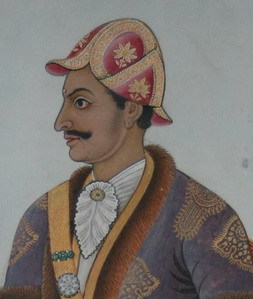
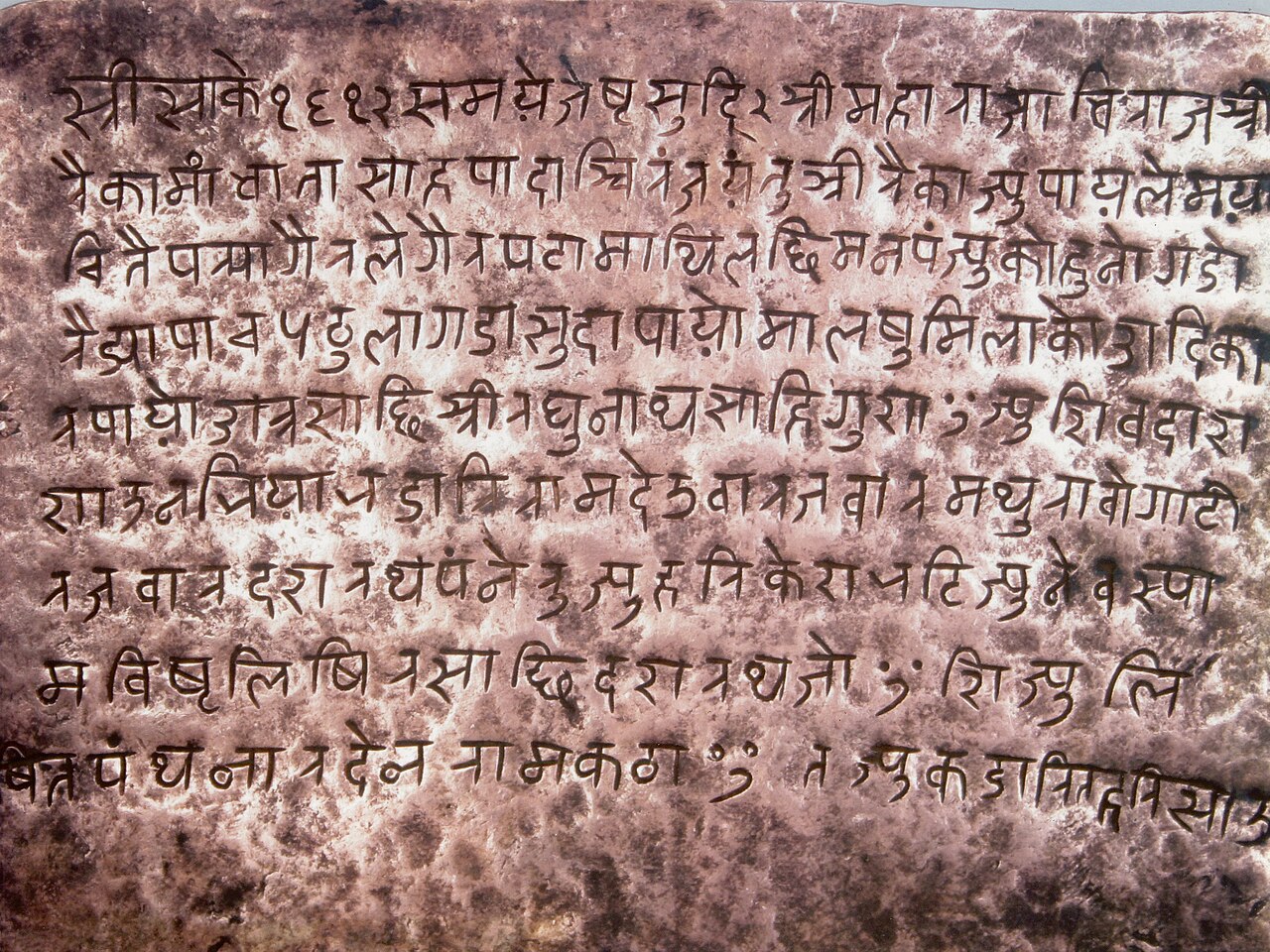
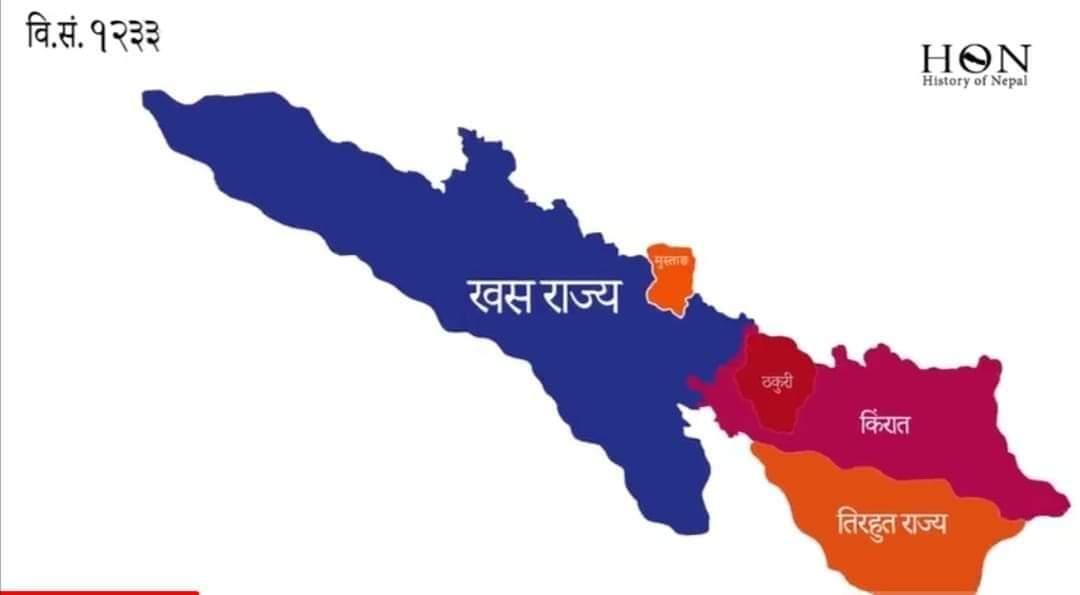
The Khas people are a broad ethnolinguistic grouping native to the hill regions of Nepal and adjoining areas. Historically associated with the medieval Khas kingdom, they are best known as native speakers of the Nepali language (often called Khas Kura) which belongs to the Indo-Aryan branch of the Indo‑Iranian family. Over time the term "Khas" has become less common in everyday use; individuals usually identify by their caste, clan or regional names.
Image gallery
10 Images





Language and identity
The principal shared cultural marker is the Nepali language: many Khas communities call it their mother tongue and contributed to its development as a lingua franca across Nepal. For language information see Nepali. Identity among Khas people is complex and often expressed through subgroups rather than the broad label "Khas." Modern identification is shaped by caste names, regional dialects and historical roles.
Major groups and social structure
Khas society historically included both ritual-status groups and occupational castes. Common names used by members today include:
- Bahun (Khas Brahmins), traditionally priests and scholars;
- Kshetri or Chhetri, traditionally warriors and administrators;
- Sanyasi/Sannesi religious mendicant groups;
- Occupational castes such as Kami (blacksmiths), Damai (tailors/musicians) and Sarki (leatherworkers).
History and development
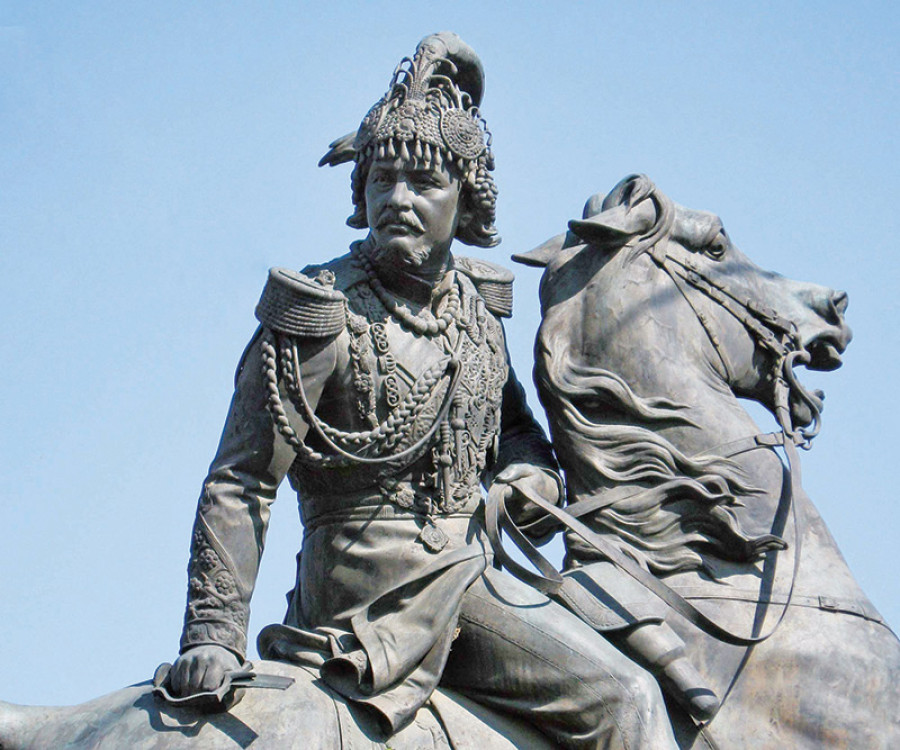
Origins of the Khas are associated with the western hill tracts where a regional Khas polity existed in the medieval period. With the expansion of the Gorkha kingdom and later the modern Nepali state, Khas speakers and elites played a prominent role in administration, the military and cultural life. The spread of the Nepali language and hill cultural norms accompanied state formation, though regional variation remained strong.
Contemporary significance and distinctions
Today the Khas-derived communities are influential in Nepal’s politics, bureaucracy and armed forces, and Nepali functions as the country’s dominant official language. At the same time, social change, migration, legal reform and political movements have altered caste relations and identity labels. Scholars and policymakers often discuss the Khas both as a linguistic-cultural group and through the prism of caste and regional diversity. For further cultural and linguistic context see language source and community profiles such as Bahun and Kshetri.
Questions and answers
Q: Who are the Khas people?
A: The Khas people are a group of indigenous native speakers of Nepali language who belong to the Indo-Iranian ethno-linguistic group.
Q: What is the Nepali language called in Khas speech?
A: The Nepali language is called Khas Kura in Khas speech.
Q: What are some other names the Khas people have been referred to as?
A: The Khas people have been referred to as Parbatiya, Pahari, and Gorkhali.
Q: What percentage of Nepal do the Khas people make up?
A: The Khas people are around 31% of Nepal.
Q: What is the dominant faction in Nepal?
A: The Khas people are the dominant faction in Nepal.
Q: What group names do Khas people call themselves by?
A: Khas people call themselves by their group names such as Bahun, Kshetri, Sanyasi/Sannesi, Kami, Damai, etc.
Q: Is the word "Khas" commonly used in modern times?
A: No, the word "Khas" is little used in modern times.
Related articles
Author
AlegsaOnline.com Khas people of Nepal Leandro Alegsa
URL: https://en.alegsaonline.com/art/53209
Sources
- books.google.com.np : Himalayan Anthropology: Indo-Tibetan interface
- jstor.org : The Formation of the Concept of Nation-State in Nepal
- ethnologue.com : "Nepali (npi)"