
Gurjar (Gujjar): South Asian ethnic group — history, culture, distribution
Gurjar (Gujjar) are a diverse South Asian community historically linked to pastoralism, agriculture and early medieval polities. They speak Gojri, observe varied religions, and live across India, Pakistan and Afghanistan.
Overview
The Gurjar (also spelled Gujjar, Gujar, Gurjara or Gujjer) are an ethnolinguistic community spread across large parts of South Asia. Traditionally many Gurjars practised pastoralism, transhumance and agriculture; today they occupy a range of rural and urban occupations. Members of the community follow different religions according to region, including Hinduism, Islam and Sikhism, and retain distinctive clan structures, oral traditions and regional dialects. The Gojri (or Gujari) language is a key marker of identity in many areas.
Image gallery
9 Images


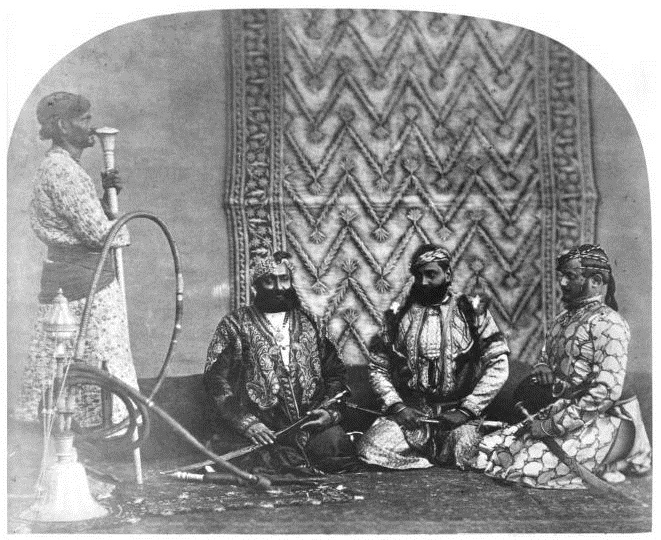

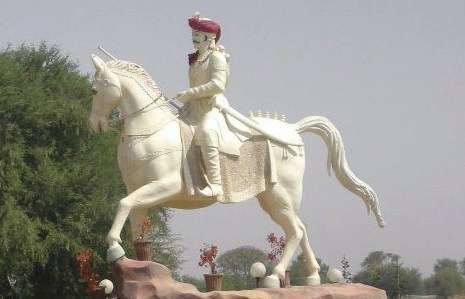
Origins and early history
The name Gurjar (and the related term Gurjara) appears in medieval toponymy and historical sources associated with western India. Early medieval polities sometimes identified as Gurjara-linked exercised considerable regional influence in parts of present-day Rajasthan and Gujarat. One important series of ruling houses, sometimes termed the Gurjara-Pratiharas by historians, was a prominent regional power in northern India in the early medieval period and shaped political developments in that era. Over subsequent centuries the political fortunes of Gurjar-linked elites changed with the rise of new states and external invasions, and many groups adapted by shifting to pastoral, agrarian or local ruling roles.
Geographic distribution
Gurjars are widely dispersed across South Asia and inhabit both highland and plain landscapes. Major areas where Gurjar communities are found include:
- Jammu and Kashmir and neighbouring Himalayan foothills
- northern and central Pakistan, in plains and uplands
- Azad Kashmir on the Pakistani-administered side of the Line of Control
- northeastern Afghanistan, where some groups have long-standing local presence
- western Indian regions historically associated with Gurjara toponymy
- areas around Meerut and adjacent districts cited in later medieval and early modern records
- districts affected during the British colonial period that altered settlement and landholding patterns
- districts near Delhi where historical memory records forest refuges and local strongholds
- Rajasthan, with substantial rural Gurjar populations
- Haryana, home to agrarian and pastoral Gurjar groups
- western Uttar Pradesh, where Gurjars form important rural communities
- Uttarakhand, including hill districts with Gujjar grazing patterns
- Himachal Pradesh, with smaller highland communities
- Khyber Pakhtunkhwa province of Pakistan, where many Muslim Gurjars reside
Language
The Gojri (also called Gujari) language is commonly spoken by many Gurjar groups and is closely related to varieties of Rajasthani and other northwestern Indo-Aryan dialects. In different regions speakers are often bilingual, using regional state languages—such as Hindi, Urdu, Punjabi or Pashto—for wider communication while retaining Gojri for household, cultural and oral expression. Linguists classify Gojri within the broader Rajasthani–Gujarati language continuum, though regional forms show local influences.
Social organization and culture
Gurjar society is organised around clan groupings (often called gotras) that influence marriage rules, kinship ties and dispute resolution. Cultural life reflects pastoral and agrarian rhythms: seasonal movement of herds, livestock-related ceremonies, folk songs, and oral storytelling are important. Ritual calendars and festivals vary with religion and locality; Hindu Gurjars observe regional Hindu rites, while Muslim Gurjars integrate Islamic practices with local customs. Dress, occupational specialisations and material culture differ across ecological zones from plains to hills.
Historical transitions and modern developments
From medieval polities to early modern regional changes, Gurjar communities experienced shifts in political status and economic base. Many groups adapted to changing land regimes, the expansion of state authority, and colonial-era transformations in land tenure and administration. In the contemporary period Gurjars participate in diverse livelihoods, including small-scale farming, pastoralism, wage labour, trade and public employment. Migration to towns and cities has produced new occupational patterns and diasporic networks.
Politics, rights and contemporary issues
Across South Asia Gurjars have engaged in political mobilisation around land rights, access to grazing, social welfare and affirmative action. In parts of India, demands for formal recognition under various categories for educational and economic reservation have been an important aspect of regional politics; these claims are pursued through legal and electoral means and vary by state. In Pakistan and Afghanistan Muslim Gurjars face issues common to rural communities—such as resource access and displacement in conflict-affected zones—while local organisations and civil-society initiatives work to preserve language and cultural heritage.
Research and sources
Scholars have studied Gurjar history, language and social change using historical records, colonial gazetteers, ethnographic fieldwork and oral histories. Regional archives and specialised studies offer more detailed local accounts (historical overview, colonial records). Linguistic and ethnographic resources are available through university repositories and community organisations (Jammu and Kashmir studies, Pakistan ethnographies).
Notable distinctions
- Regional diversity: Gurjars are not a homogeneous group; religion, language and livelihoods vary by area.
- Historical presence: The Gurjara name is linked to early medieval regional polities and toponymy in western India.
- Continuing traditions: Pastoralism, seasonal mobility and clan networks remain central in many communities.
For readers seeking region-specific information, consult local studies and community histories accessible through regional repositories and specialist publications (Azad Kashmir sources, Afghan regional studies, local archives, Delhi area histories, Rajasthan ethnography, Haryana studies, Uttar Pradesh surveys, Uttarakhand fieldwork, Himachal Pradesh accounts, Khyber Pakhtunkhwa reports).
Questions and answers
Q: What is the ethnic group of Jammu and Kashmir, Northern India, northern and central Pakistan, Azad Kashmir and northeastern Afghanistan?
A: The ethnic group is Gurjar or Gujjar (also translitterated as Gujar , Gurjara and Gujjer).
Q: What language is closely related to Rajasthani and Marwari?
A: The Gujari language is closely related to Rajasthani and Marwari.
Q: How long did the Gurjar-Pratihara dynasty act as a barrier to invasions from Muslim Arabs?
A: The Gurjar-Pratihara dynasty acted as a barrier to invasions from Muslim Arabs for around 300 centuries.
Q: In what areas were there Gujjar kings during the 15th-16th century?
A: During the 15th-16th century, there were Gujjar kings in the areas of Meerut and Dadri.
Q: Are Hindu or Muslim Gujjars found in more Indian states?
A: Hindu Gujjars are found in more Indian states than Muslim Gujjars. Hindu Gujjars are found in the Indian states of Rajasthan, Haryana, Western Uttar Pradesh and to a smaller extent Punjab. Muslim Gujjars are found in the Indian states of Uttarakhand, Himachal Pradesh, Jammu and Kashmir and in the Pakistani provinces of Punjab, Azad Kashmir, Khyber Pakhtunkhwa and in the Afghanistan province of Nuristan.
Q: Why did Hindu gujjars have to live in jungles during Islamic rule?
A: With Islamic rule in North India, the Hindu Gujjars had to live in jungles in order to save their Hindu faith and survive.
Related articles
Author
AlegsaOnline.com Gurjar (Gujjar): South Asian ethnic group — history, culture, distribution Leandro Alegsa
URL: https://en.alegsaonline.com/art/41482
Sources
- books.google.com : India: A History