
Kashmiri people (Koshur): identity, language, history and distribution
Ethnic group of the Kashmir Valley known as Koshur, speakers of the Kashmiri language; overview of origins, language, culture, demographics and contemporary issues.
Overview
The Kashmiri people, often called Koshur, are an Indo-Aryan-speaking community traditionally associated with the Kashmir Valley in the Himalayan region. They are frequently described in linguistic and ethnographic literature as part of the broader Dardic-area cultures, though classifications vary. The term Kashmiri denotes a shared regional identity shaped by centuries of local history, religion and language.
Image gallery
7 Images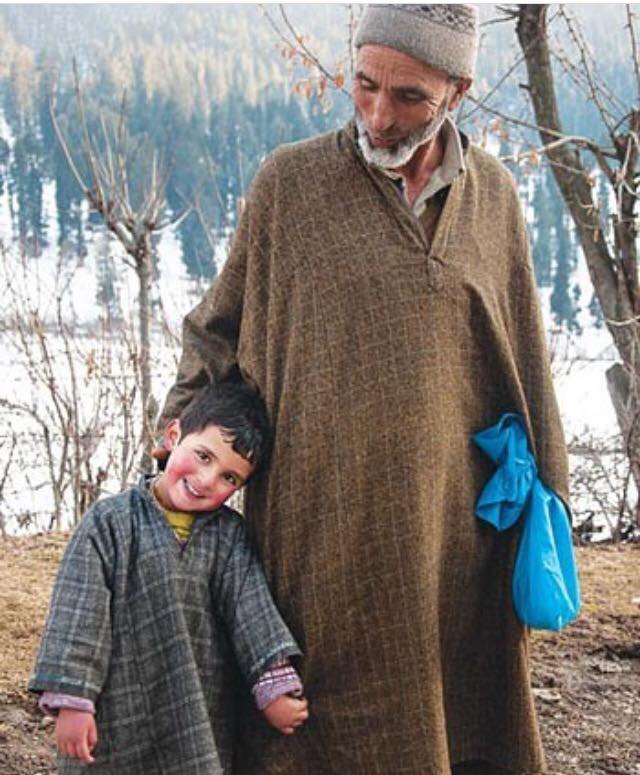


Language and identity
The Kashmiri language is the principal marker of Kashmiri identity. It belongs to the Indo-Aryan family and has distinctive phonology and vocabulary influenced by Sanskrit, Persian and local Himalayan tongues. Kashmiri has been written in several scripts: historically Sharada, later Perso-Arabic for Muslim literatures and Devanagari in some Hindu contexts. Language maintenance and literary traditions remain central to community life.
Distribution and demographics
Most ethnically Kashmiri people live in the central valley of Kashmir and surrounding districts in the Indian-administered union territory of Jammu and Kashmir, with several million Kashmiri speakers in the region. Smaller communities and speakers are found across the Line of Control in Pakistan-administered areas such as Azad Kashmir and Gilgit-Baltistan, as well as in diaspora communities in other parts of South Asia and abroad. Regional migrations and political change have affected population patterns over the past century.
Culture, religion and economy
Cultural life among Kashmiris features rich musical, poetic and craft traditions: classical and folk music, Sufi poetry, carpet weaving, pashmina and papier-mâché work are well known. The majority of Kashmiri speakers follow Islam, principally Sunni Sufism-influenced practices, while a historically significant minority — the Kashmiri Pandits — are Hindu and maintain distinct rituals and customs. Agriculture, horticulture (notably saffron and apples), and handicrafts form important economic bases for many communities.
History and contemporary issues
The Kashmir Valley has long been a crossroads of Himalayan, Central Asian and South Asian influences: early Buddhist and Shaiva traditions, medieval Persianate culture, and the arrival of Islam reshaped religious and social life over centuries. In the late 20th and early 21st centuries, political conflict in the wider region has produced displacement, demographic change and intensified debates about rights, language preservation and cultural heritage. Efforts by community groups and scholars focus on documenting traditions and supporting linguistic and cultural revival.
Notable facts and distinctions
- The endonym Koshur is commonly used within the community to refer to both the people and their language.
- Kashmiri retains several archaic Indo-Aryan features alongside loanwords from Persian and Central Asian languages.
- Many Kashmiri cultural expressions—music, cuisine, crafts—are recognized beyond the valley and adapted by diaspora communities.
- There are resources and further reading available through linguistic and regional studies; for general background see regional overviews and specialist references linked from academic portals and ethnolinguistic sites.
For more detailed scholarship and contemporary reporting consult academic works, language surveys and regional histories that document the Kashmiri people’s language, social changes and cultural contributions.
Related articles
Author
AlegsaOnline.com Kashmiri people (Koshur): identity, language, history and distribution Leandro Alegsa
URL: https://en.alegsaonline.com/art/52441
Sources
- books.google.com : Understanding Kashmir and Kashmiris
- censusindia.gov.in : "Census of Indian languages 2011"
- dawn.com : "CCI defers approval of census results until elections"