
Kariba Dam
Major hydroelectric dam on the Zambezi River between Zambia and Zimbabwe, creating Lake Kariba and supplying power, fisheries, tourism, and notable social and environmental impacts since the 1950s.
Overview
The Kariba Dam is a large hydroelectric dam on the Zambezi River that forms the border between two southern African countries. It impounds Lake Kariba, one of the world’s largest man-made reservoirs by surface area and volume, and supplies electricity and water resources to the region. The dam is located in the Kariba Gorge; its geographic position is recorded at coordinates 16°31′S, 28°45′E in many references.
Image gallery
6 Images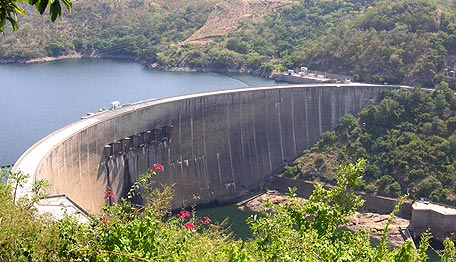


Physical characteristics
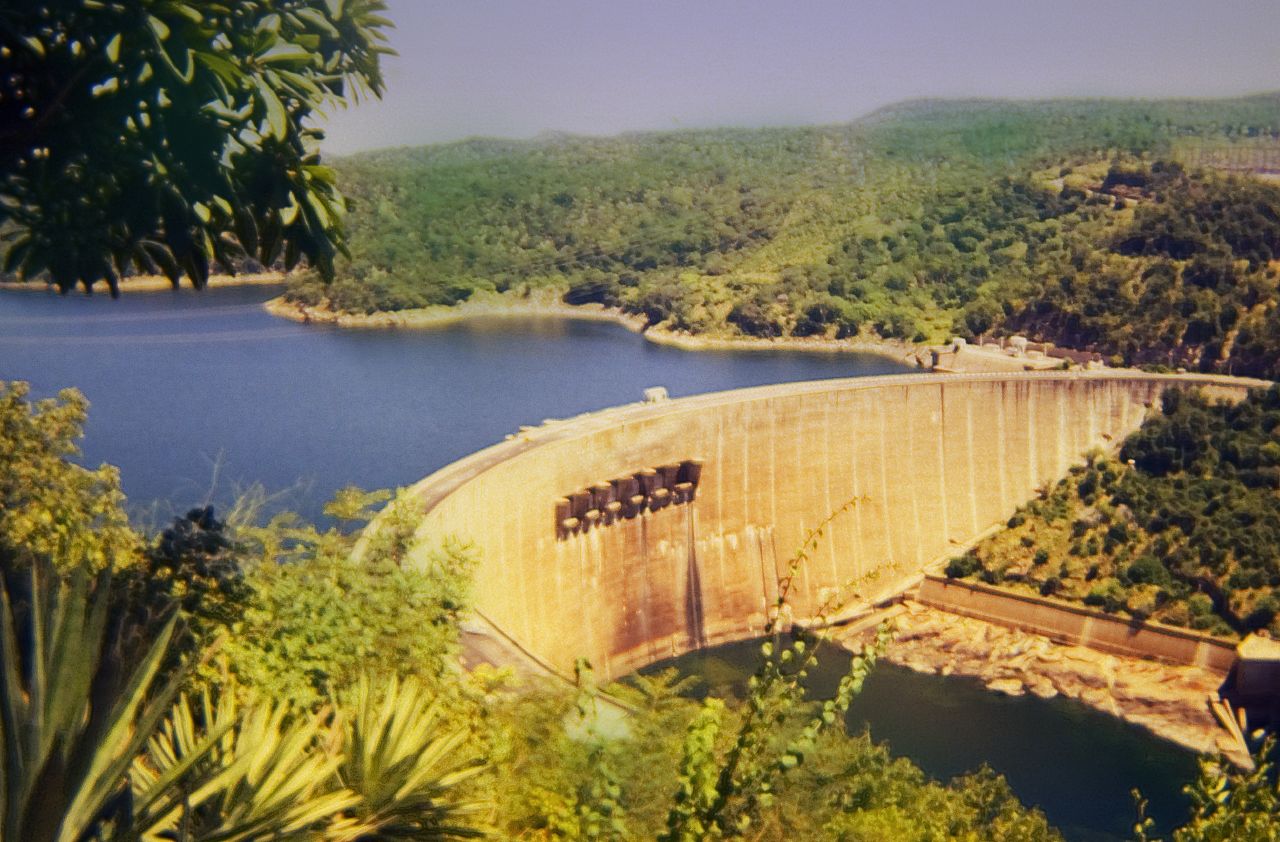
Rising to about 128 metres and spanning roughly 579 metres across the gorge, the dam created a very large reservoir that altered the flow of the Zambezi River over a wide area. The structure supports major hydroelectric installations on both banks and includes concrete and earth components to hold back the basin’s water. Lake Kariba’s extent and depth vary seasonally with rainfall in the catchment.
History and construction
Construction began in the 1950s and the dam reached completion in the late 1950s, with filling of the reservoir and commissioning of power stations following thereafter. The project was conceived to supply reliable electricity to support mine, industrial and urban development in the region. Building the dam required substantial engineering work in a remote gorge and marked a major era of postwar infrastructure investment in southern Africa.
Uses and regional importance
The Kariba complex provides bulk electrical power and water storage for irrigation, municipal supplies, fisheries and recreational activities. Power generation facilities on the northern bank serve Zambia (Zambia) while those on the southern bank supply Zimbabwe (Zimbabwe), making the dam a cross‑border resource whose output is shared by both countries. Lake Kariba also supports commercial and subsistence fisheries and a substantial tourism industry.
Social and environmental impacts
The creation of the reservoir required relocation of local communities and dramatically changed habitats along the Zambezi. A well-known wildlife rescue effort accompanied reservoir filling, and subsequent decades have seen ongoing ecological change, including altered riverine ecosystems and sedimentation concerns. The dam’s age has prompted periodic rehabilitation and safety reviews to ensure continued operation and to address maintenance challenges.
Notable facts
- The dam is regarded as one of the largest of its kind by height and length and by the size of the reservoir it formed.
- Its multinational importance makes it a focal point for regional energy planning and cross-border cooperation.
- Environmental management, livelihoods dependent on the lake, and long-term structural maintenance remain central issues in the dam’s ongoing role.
For further technical details and contemporary status reports consult specialised sources and national agencies responsible for water and power in the region.
Related articles
Author
AlegsaOnline.com Kariba Dam Leandro Alegsa
URL: https://en.alegsaonline.com/art/52306
Sources
- questia.com : "Kariba Dam"
- commons.wikimedia.org : Kariba Dam