
Lanyard: strap or cord for carrying ID, keys, and small tools
A lanyard is a cord, strap, or small rope worn to secure and carry small items such as ID badges, keys, whistles, or tools. Designs vary by material, attachment, and safety features for workplaces and events.
Overview
A lanyard is a short cord, strap or small rope intended to hold and present small items close to the body. Most commonly worn around the neck, wrist or shoulder, lanyards keep objects such as identification cards, keys, whistles, badge holders or small tools accessible while reducing the chance of loss.
Image gallery
4 Images
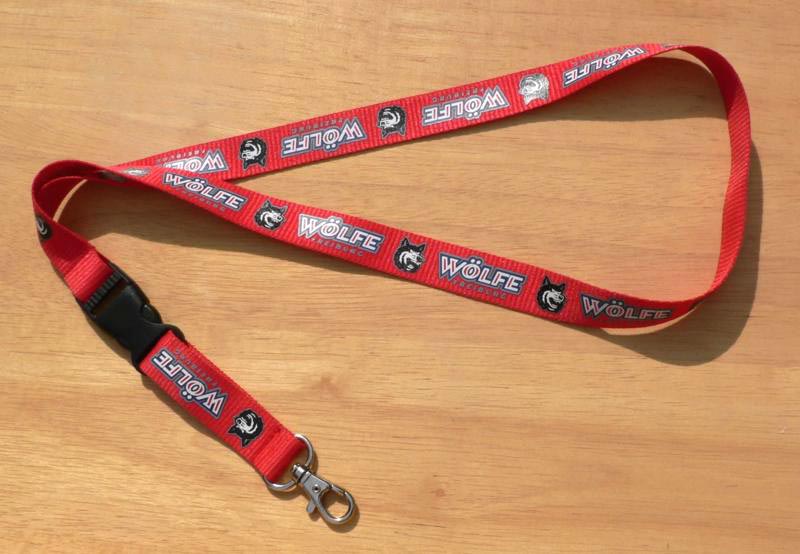

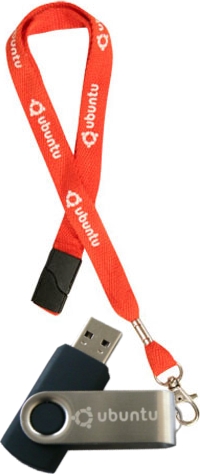
Design, parts and common features
Basic lanyards consist of a length of material with one or more attachment fittings at the end. Typical features include a split ring, swivel hook, lobster clasp, plastic buckle or a retractable badge reel. Many lanyards include a safety or "breakaway" connector that separates under strain to reduce risk of choking or entanglement.
- Materials: woven polyester, nylon, cotton, leather, braided paracord or tubular webbing.
- Attachments: split rings, clips, safety buckles, retractors.
- Safety: breakaway snaps, adjustable lengths, and quick-release hardware.
History and development
The term and early uses of lanyard-like cords date back several centuries. Historically small ropes or cords were used to secure pistols, knives or tools to clothing so they could not be easily lost in combat or at sea. Over time the form evolved into decorative and practical straps for civilian and institutional use, adapting new materials and fittings as manufacturing advanced.
Uses and examples
Lanyards are ubiquitous in workplaces, schools, conferences and events where visible ID or hands-free access is desirable. They are used by security staff, medical personnel, tradespeople and athletes who need a small tool at hand. Custom-printed lanyards are a common promotional item, often branded with organization names, logos or colors.
Military and ceremonial roles
In uniformed services the lanyard has a formal role as well: many armed forces and cadet organizations wear colored cords or lanyards as part of dress or service uniforms to indicate qualification, role or regimental affiliation. See examples in military uniform practice and references to regimental insignia.
Notable distinctions and selection tips
When choosing a lanyard consider durability, comfort, attachment type and safety features. A workplace may require breakaway connectors or specific colors; events may favor inexpensive printed polyester; outdoor use can call for paracord styles that can double as emergency cordage. Decorative and ceremonial lanyards may be braided or made from metal chain for a different appearance and function.
Questions and answers
Q: What is a lanyard?
A: A lanyard is a cord or strap worn around the neck with an ID card or keys.
Q: What is the purpose of a lanyard?
A: The purpose of a lanyard is to help the wearer keep and use some basic items of equipment, especially small items.
Q: When were lanyards first introduced?
A: Lanyards were first introduced in the 15th century.
Q: Where are lanyards used in the military?
A: In the military, lanyards are worn on the shoulders of uniforms to denote the wearer's qualification or regimental affiliation.
Q: How are lanyards typically worn?
A: Lanyards are usually worn around the neck with an ID card or keys.
Q: What other items can be attached to a lanyard?
A: Besides ID cards and keys, other items that can be attached to a lanyard include badges, whistles, USB drives, and cellphones.
Q: Are there different types of lanyards?
A: Yes, there are different types of lanyards such as basic lanyards, breakaway lanyards, retractable lanyards, and fashion lanyards.
Related articles
Author
AlegsaOnline.com Lanyard: strap or cord for carrying ID, keys, and small tools Leandro Alegsa
URL: https://en.alegsaonline.com/art/55963
Sources
- wovenlanyards.com : Lanyards historical view