
Karate gi
Karate gi: the traditional training and competition attire for karate practitioners, its parts, materials, care, and distinctions from other martial arts uniforms.
Overview
The karate gi is the standardized training outfit worn by practitioners of karate. It serves as both practical clothing for practice and a visible symbol of discipline and rank. Often called a "karategi" or simply "gi," this set of garments is closely related to other East Asian martial uniforms and is worn by beginners and advanced students alike.
Image gallery
4 Images


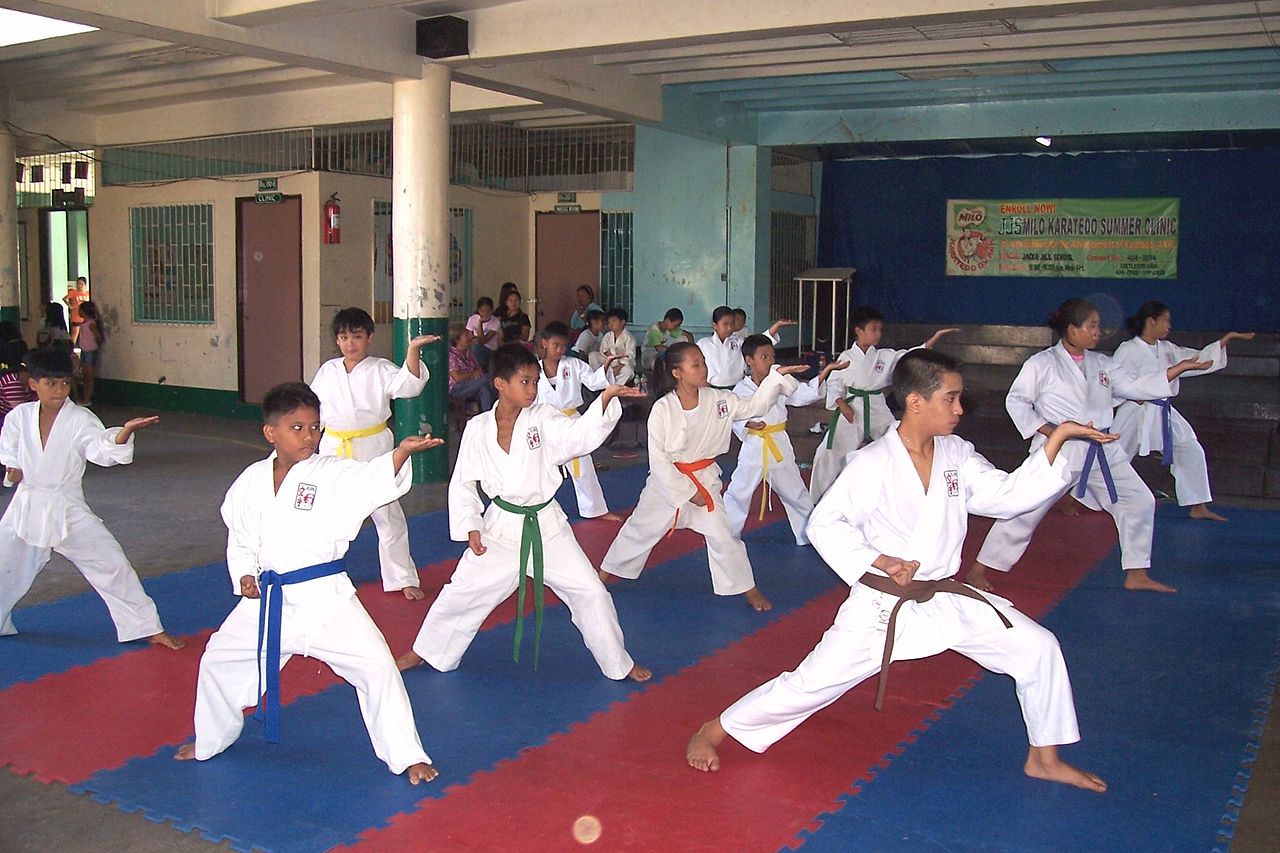
Typical components
A complete karate gi generally consists of three main pieces:
- Jacket (uwagi): a wrap-style top designed for freedom of movement.
- Pants (zubon): loose-fitting trousers with an elastic or drawstring waist.
- Belt (obi): indicates rank and secures the jacket; color systems vary by school.
Materials and construction
Karate gis are typically made from cotton or cotton blends. Weave and weight vary to suit style and climate: lighter, breathable weaves favor speed and air circulation, while heavier weaves resist wear and provide a sturdier feel. Manufacturers tailor cuts for different disciplines; karate gis are usually lighter and less reinforced than the thicker judogi used for grappling.
Use, etiquette, and care
Wearing a gi follows etiquette: it should be clean, properly fitted, and respectfully maintained. Many schools require plain gis without excessive branding, while some permit small dojo patches. Routine care includes washing in cold or warm water to remove sweat, avoiding excessive drying heat to limit shrinkage, and mending tears promptly.
- Tie the obi securely and keep the jacket closed during formal parts of class.
- Remove jewelry and trim fingernails before training.
- Follow your school's rules on color, patches, and competition attire.
Variations and distinctions
Different styles and organizations set specific rules for cuts, sleeve length, and allowable colors. The karate gi is distinct from the heavier judogi and from the dobok used in taekwondo by its lighter weight and cut. In competition, federations often specify acceptable gi types; practitioners should consult their instructor or governing body. For further context on uniforms and appearance, see the general concept of uniform.
Related articles
Author
AlegsaOnline.com Karate gi Leandro Alegsa
URL: https://en.alegsaonline.com/art/52281